
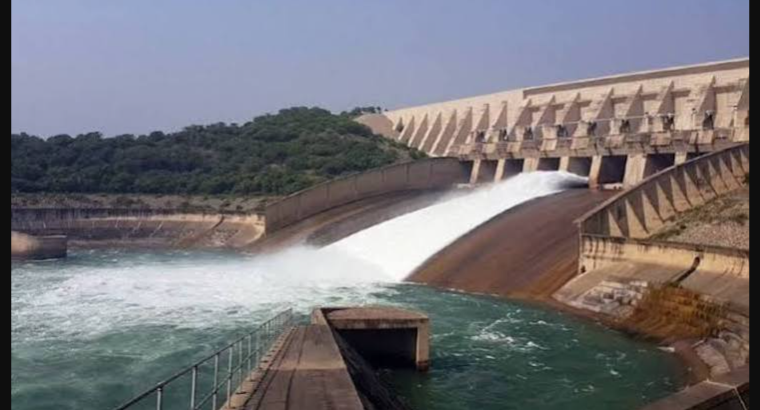

Punjab has launched the second phase of a mini dam construction project aimed at improving water availability across the rain-fed Potohar region.
Under the three-year Agriculture Transformation Plan, the provincial Agriculture Department will support construction through a 70 percent subsidy. The initiative aims to promote year-round irrigation, horticulture and fish farming.
During the first phase, authorities completed 111 mini dams in the previous fiscal year. Now, the second phase plans to build another 150 dams across the Rawalpindi division by June 30, 2027.
The government is providing a subsidy of Rs1.75 million for each mini dam. Additionally, billions of rupees have been released to support the project.
How Will the Mini Dams Help Farmers?
Chief Minister Maryam Nawaz launched the initiative to improve water management in Potohar, where farmers depend heavily on rainfall.
The mini dams will collect and store rainwater for agricultural use. Consequently, farmers could gain access to water during periods when rainfall is insufficient, helping them maintain crops and orchards throughout the year.
The project also aims to reduce soil erosion and limit damage caused by floods. By capturing rainwater, the dams could help manage runoff while improving water availability for cultivable land.
Furthermore, the initiative is expected to improve groundwater levels. Better water availability could also create opportunities for farmers to diversify their agricultural activities and strengthen their livelihoods.
Horticulture, Dairy Farming and Fish Production
Beyond irrigation, the project aims to support other income-generating activities in the region. These include horticulture, dairy farming and fish farming, which could provide additional opportunities for rural communities.
Stored water could help farmers maintain orchards and cultivate crops more consistently. Meanwhile, mini dams could provide suitable opportunities for raising fish, depending on local conditions and water availability.
The initiative therefore seeks to make better use of rainwater while supporting different agricultural activities. However, the actual benefits will depend on water storage, maintenance and the needs of individual farming communities.
Farmers Welcome the Initiative
Farmers have welcomed the project, expressing hope that it will improve water supplies for crops and orchards.
Growers Afzal Ali and Faizan said the initiative would benefit farmers by helping ensure water availability throughout the year. They also highlighted the potential to raise fish in the mini dams for household consumption.
In addition, the farmers noted that these water bodies could attract aquatic birds, creating another potential benefit for the local environment.
Second Phase Targets Wider Water Access
With 111 mini dams completed during the first phase, the government now aims to expand the initiative through another 150 structures.
The second phase targets completion by June 30, 2027, across the Rawalpindi division. Through subsidised construction and rainwater storage, the project seeks to address water challenges in the rain-fed Potohar region.
If implemented as planned, the initiative could help farmers manage rainfall more effectively, support agricultural production and explore additional income sources.
For the latest updates, visit and follow The Truth International website (www.thetruthinternational.com) and subscribe to the YouTube Channel.

