
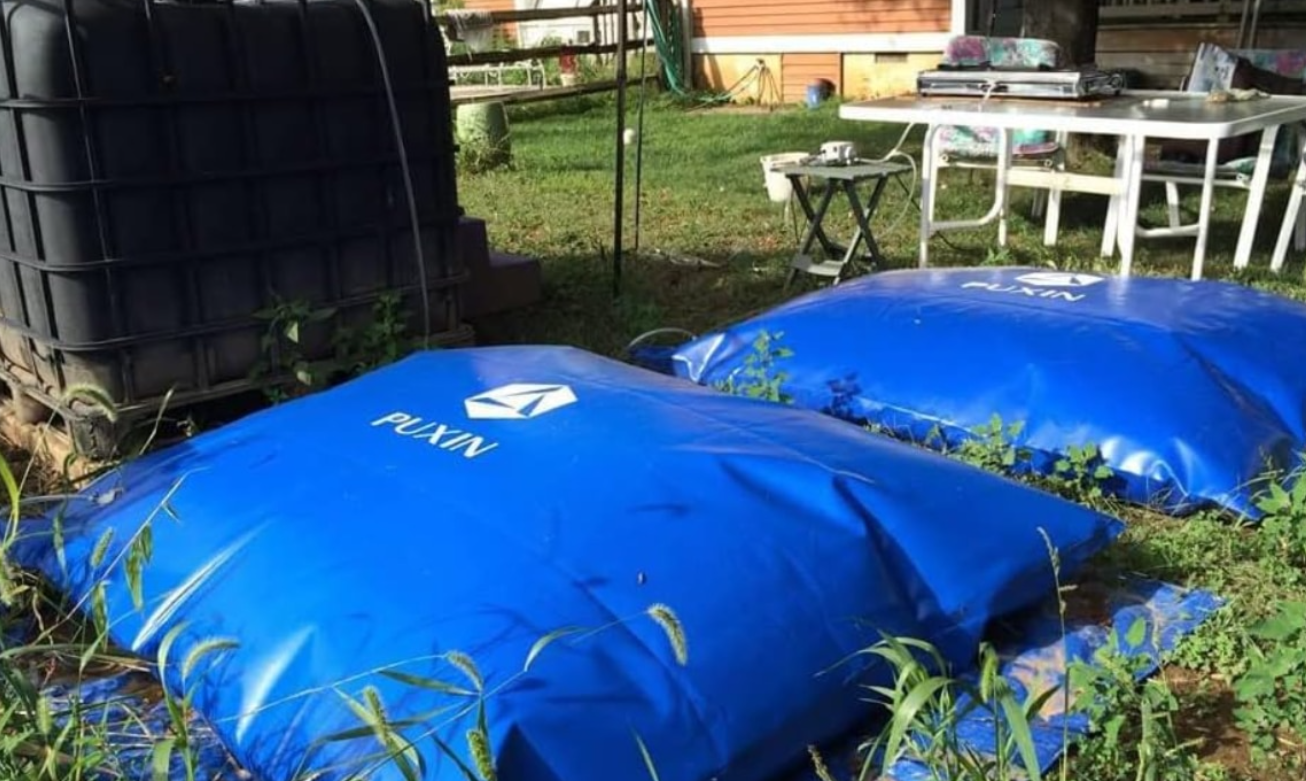

Gas shortages across Pakistan have led to growing interest in alternative household energy solutions. As load-shedding of natural gas continues, biogas bags are becoming a practical option for some families seeking relief from energy disruptions. These systems convert kitchen waste into usable cooking fuel through a natural process.
How Biogas Bags Work in Homes
A biogas bag system uses organic kitchen waste as its main input. The waste is placed inside a sealed container where it decomposes over time. This process produces methane gas, which is collected and used for cooking purposes.
The gas is filtered to reduce odor before it is supplied to kitchen stoves through small pipelines. Additionally, the system includes safety mechanisms that help control pressure and reduce leakage risks, making it suitable for controlled domestic use.
Practical Experience from Domestic Users
In Karachi, one user installed a 2-cubic-meter biogas bag at a cost of approximately Rs135,000. According to his experience, the system has been functioning for around one and a half years.
He reported that it produces gas for nearly one to two hours daily, which helps reduce dependence on conventional natural gas during periods of shortage. Although limited in output, it provides partial support for daily cooking needs.
Fertilizer as a Byproduct of Biogas Systems
One of the added benefits of biogas technology is the production of organic fertilizer. The decomposition process generates a nutrient-rich byproduct that can be used in gardening and agriculture.
Depending on waste input, the system can produce around 30 to 40 liters of fertilizer each week. This makes it useful not only for energy but also for small-scale farming and home gardening.
Expert Views on Biogas Energy Potential
Energy experts highlight that biogas contains methane, which is highly flammable and must be handled carefully. However, modern domestic systems are designed with safety controls that help minimize operational risks.
Excess gas is typically managed through controlled release mechanisms that dissolve it safely in water-based systems. Experts also emphasize that while biogas is environmentally friendly, it cannot fully replace natural gas supply in most households.
Growing Interest but Ongoing Limitations
Interest in biogas technology continues to grow in Pakistan as households search for affordable and sustainable energy alternatives. The rising cost and shortage of conventional fuels have encouraged more people to explore these systems.
However, challenges remain. High installation costs, space requirements, and maintenance needs limit widespread adoption. As a result, biogas bags are currently viewed as a supplementary solution rather than a complete replacement for natural gas.
Conclusion
Biogas bags are gradually gaining attention as an eco-friendly household energy option in Pakistan. While they provide partial relief during gas shortages, their role remains supportive rather than fully substitutive in the country’s energy landscape.

