

Landmark agreement marks first overseas sale of Australian over-the-horizon technology for Arctic surveillance
CANBERRA: Australia on Monday announced its biggest-ever defence export agreement, with Canada set to purchase over-the-horizon radar technology in a deal worth A$2.5 billion, or about $1.75 billion.
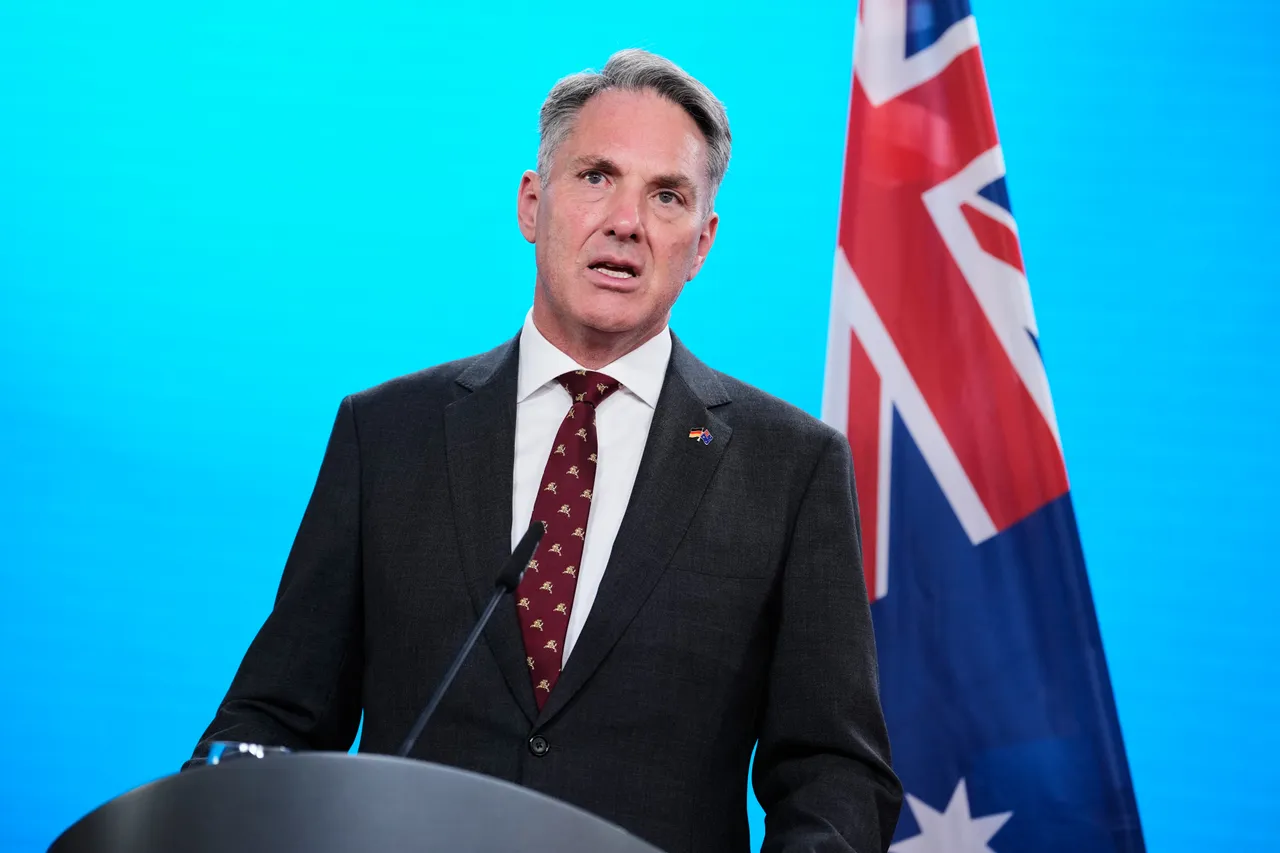
Australian Defence Minister Richard Marles unveiled the agreement alongside Canada’s Secretary of State for Defence Procurement Stephen Fuhr, describing it as a major step in defence cooperation between the two countries. The deal marks the first overseas sale of Australia’s advanced long-range radar system and will support Canada’s efforts to strengthen surveillance and defence monitoring across the Arctic region.
According to a statement issued by the office of Prime Minister Anthony Albanese, the agreement represents a milestone in Australia’s defence trade and opens the door to deeper strategic and industrial collaboration with Canada.
The radar system is based on Australia’s Jindalee Operational Radar Network, which uses over-the-horizon technology to detect and track aircraft, ships and missiles at distances of up to 3,000 kilometres. The technology works by bouncing high-frequency electromagnetic waves off the ionosphere, allowing it to detect objects beyond the Earth’s curvature.
Canada looks to strengthen Arctic monitoring
Canadian officials said the system will significantly enhance the country’s ability to monitor its vast Arctic territory. Fuhr said the radar would improve early warning capabilities, boost continental defence, and reinforce Canada’s sovereignty in the region by detecting air and maritime threats at much greater range.
Australia hails strategic and economic gains
Marles called the agreement the largest defence export in Australia’s history and said it added a major strategic dimension to Canberra’s long-standing relationship with Ottawa. He also said the deal would support around 300 technical jobs in Australia.
BAE Systems Australia is scheduled to begin delivering the system from July 1, marking the start of what both governments described as a new phase in bilateral defence cooperation.

