
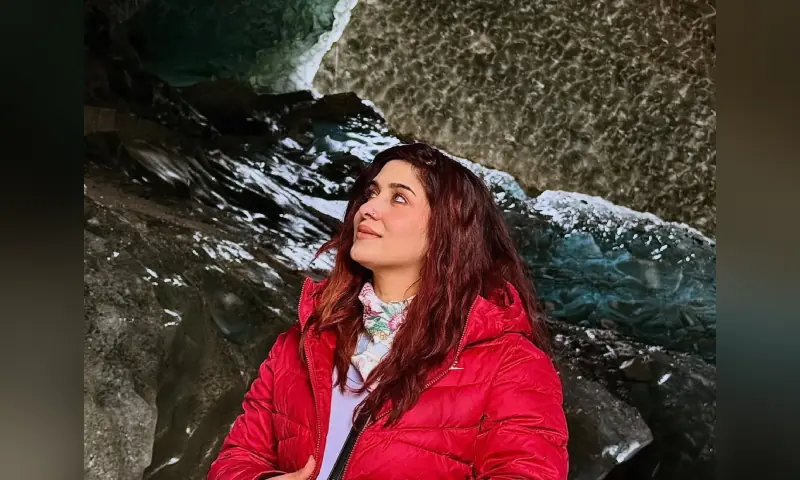

A ground team recovered Pakistani climber Asma Mushtaq’s body from Gilgit-Baltistan’s Spantik Peak on Monday. The team found her body nearly 10 days after she died during her descent from the 7,027-metre mountain.
The 34-year-old climber died on August 20 after suffering from high-altitude sickness. She had successfully reached the summit before developing a serious medical emergency during her descent. Moreover, difficult weather conditions had delayed earlier recovery attempts.
Ground Team Launches Fresh Recovery Mission
Alpine Club of Pakistan Secretary General Ayaz Shigri said a team began a fresh recovery mission on Friday. Earlier teams could not retrieve the body because heavy snowfall created dangerous conditions. Subsequently, experienced high-altitude climbers from Shigar resumed the operation.
The recovery team started its search at 3am on Monday. After around eight hours, members located Mushtaq’s body near Camp 3 at approximately 6,250 metres. Furthermore, the volunteers conducted the mission using their own resources.
The team planned to move the body to Camp 2 before taking it toward the base camp. Pakistan Army helicopters were expected to airlift the body to Skardu after reaching the base camp.
Climbers Face Severe Conditions at High Altitudes
Mushtaq belonged to a five-member Pakistani women’s expedition that summited Spantik. The expedition also included Zoni Aslam, Zaba Shigri, Shama and Sohana.
The Alpine Club said Mushtaq remained healthy when she reached the 7,027-metre summit. However, she later developed a severe high-altitude medical emergency at around 6,400 metres.
High-altitude sickness results from oxygen deprivation caused by rapid ascent and inadequate acclimatisation. Meanwhile, changing weather patterns linked to climate change have made Karakoram climbing conditions increasingly difficult.
Experts say recovering bodies above 6,000 metres remains extremely dangerous and challenging. Consequently, many climbers who die at extreme elevations remain on the mountains under snow.
Mushtaq’s recovery highlights the significant risks involved in high-altitude rescue operations. It also reflects the determination of local mountaineers to bring deceased climbers back to their families.

