
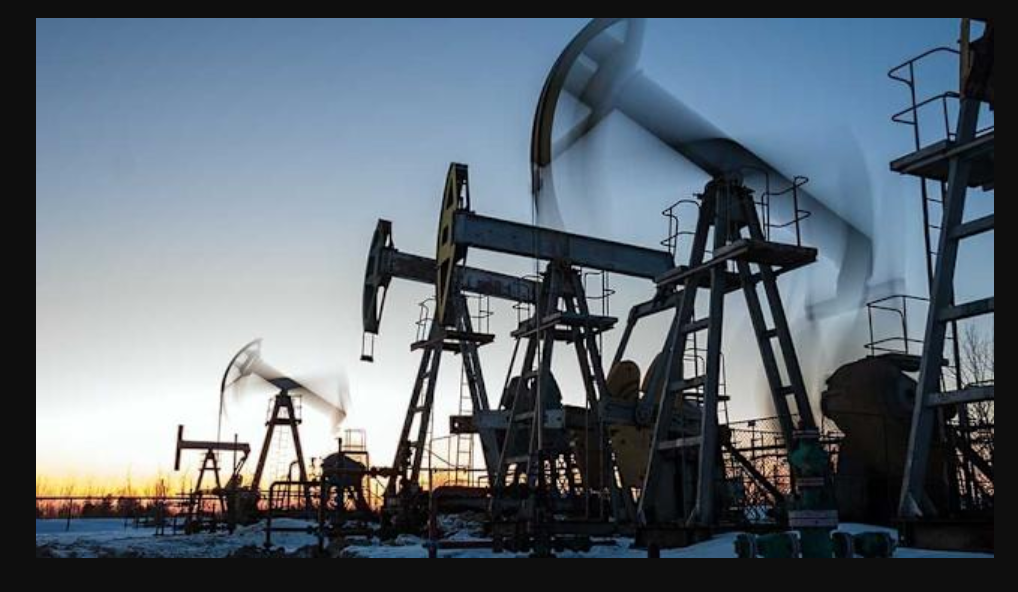

The ongoing conflict in the Middle East has severely disrupted global energy markets. So far, the crisis has removed around 500 million barrels of oil supply. This loss equals nearly $50 billion, based on average prices of $100 per barrel.
The disruption continues to grow as tensions persist. Therefore, global markets remain under significant pressure.
Strait of Hormuz Crisis Deepens Impact
The closure of the Strait of Hormuz has played a central role in the crisis. Before the conflict, nearly 20 million barrels of oil moved daily through this critical route.
However, traffic now remains severely restricted. As a result, oil and LNG exports from key producers face major challenges.
Even brief reopening attempts have failed to stabilize flows. Consequently, the market imbalance continues to worsen.
Supply Losses Reach Historic Levels
Within weeks of the conflict, oil supply losses escalated sharply. By early April, cumulative disruptions had already reached 430 million barrels.
Soon after, the figure climbed to 500 million barrels. This scale of loss is unprecedented in recent history.
To put this into perspective, the lost supply equals nearly one month of oil consumption in the United States. It also exceeds a month of total demand across Europe.
Production Cuts and Inventory Decline
Oil production across the region has dropped significantly. In March alone, global supply fell by over 10 million barrels per day.
At the same time, inventories have declined rapidly. Onshore crude stocks dropped by 41 million barrels by mid-April.
Additionally, global observed inventories fell by 85 million barrels in March. This trend signals a tightening supply environment.
“The shift follows the exhaustion of earlier supply buffers and peaks in regional shut-ins,” analysts noted.
“Continued constraints on flows via the Strait of Hormuz suggest further inventory pressure ahead, reinforcing a tightening physical balance.”
Market Volatility and Rising Prices
With supply shrinking, oil markets have entered a volatile phase. Prices have remained elevated due to ongoing uncertainty.
Moreover, the lack of steady shipments has increased pressure on global energy systems. This situation has forced countries to rely on existing reserves.
“Resuming flows through the Strait of Hormuz remains the single most important variable in easing the pressure on energy supplies, prices and the global economy,” experts emphasized.
Recovery May Take Years
Even if the Strait of Hormuz reopens fully, recovery will not be immediate. Oil producers face infrastructure damage and logistical challenges.
Restoring production could take several months in some countries. In more complex cases, recovery may stretch into years.
For instance, some producers may need up to nine months to return to previous output levels. Meanwhile, broader regional recovery could take up to two years.
“If the Strait of Hormuz is not reopened, we must prepare for significantly higher energy prices,” warned Fatih Birol.
LNG Sector Faces Longer Disruptions
The liquefied natural gas sector faces even greater challenges. Damage to key facilities has slowed recovery timelines.
For example, major LNG infrastructure repairs could take years to complete. This delay adds another layer of uncertainty to global energy markets.

