
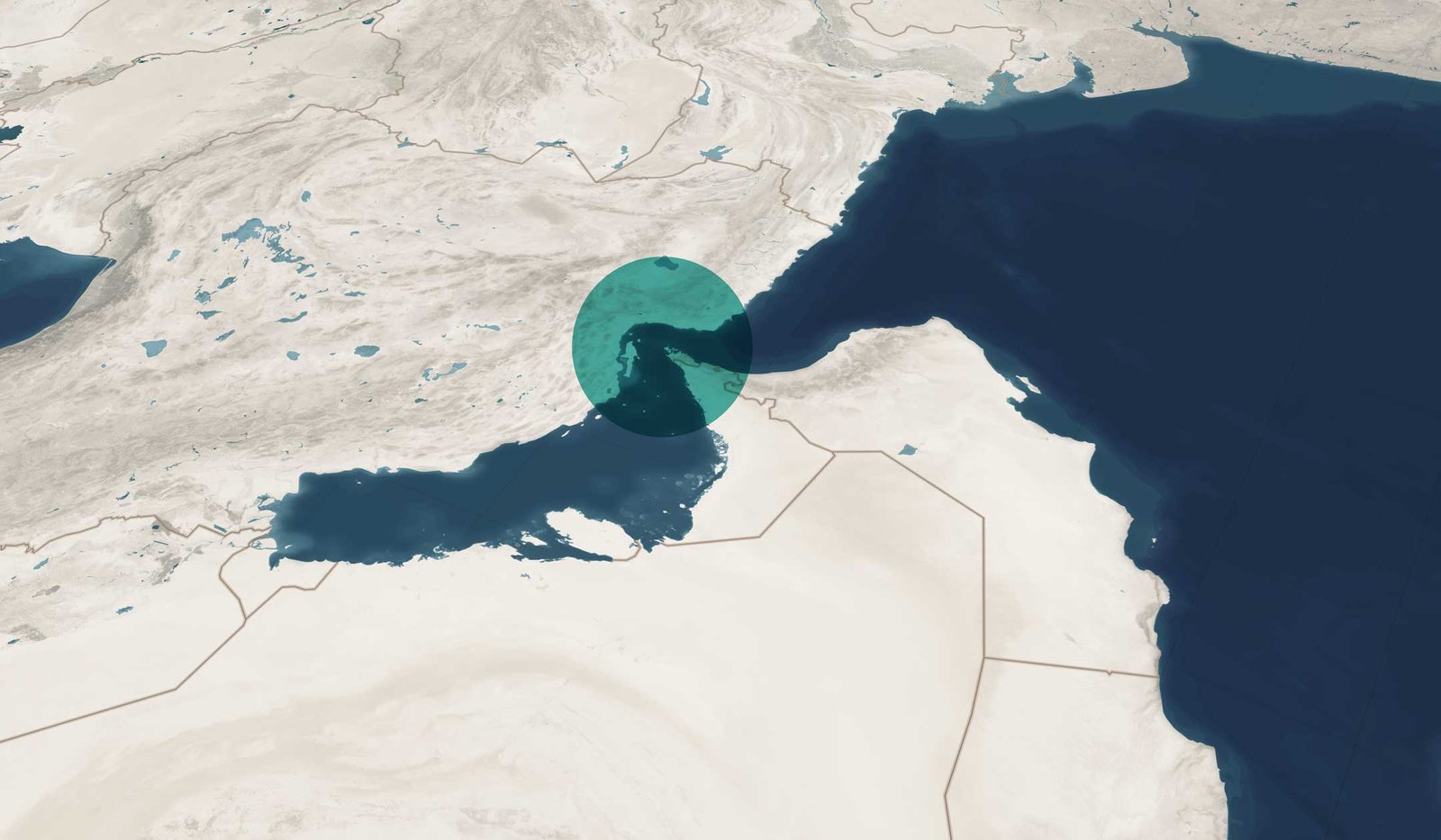

Iran continues to view the Strait of Hormuz as one of its strongest strategic assets following recent regional tensions. Reports suggest Tehran is considering charging transit fees for ships using the vital waterway. The proposal reflects ongoing disputes after the US-Iran conflict.
Strategic Waterway Shapes Regional and Global Energy Trade
The Strait of Hormuz handles nearly one-fifth of the world’s oil shipments. Consequently, any disruption to maritime traffic can significantly affect global energy markets. The waterway remains one of the world’s most important oil transit routes.
Reports indicate Iran believes the strait’s management should not return to pre-conflict arrangements. Officials have also suggested introducing transit fees for commercial vessels. However, no final policy has been officially announced.
According to reports, some cargo ships remained delayed after using routes near Oman that allegedly lacked approval from Iran’s Revolutionary Guard. The restrictions highlighted Tehran’s influence over regional shipping. As a result, concerns about supply disruptions increased in international markets.
The uncertainty surrounding the Strait of Hormuz also contributed to higher global oil prices. Additionally, reports said the United States relied more heavily on its strategic petroleum reserves during the period of heightened tensions. Maritime security in the Gulf therefore remains a major international concern.
Regional Diplomacy Continues After Conflict
Recent developments have also influenced regional diplomatic relations. Reports suggest Gulf countries, including Saudi Arabia, the United Arab Emirates, and Qatar, have expanded engagement with Iran. Observers say these efforts aim to reduce regional tensions and protect economic interests.
Meanwhile, Iran and Oman have reportedly established a joint committee to discuss future management of the strategic waterway. Analysts believe continued dialogue could help maintain maritime stability. Nevertheless, the Strait of Hormuz is expected to remain a central issue in regional security and global energy trade.

