
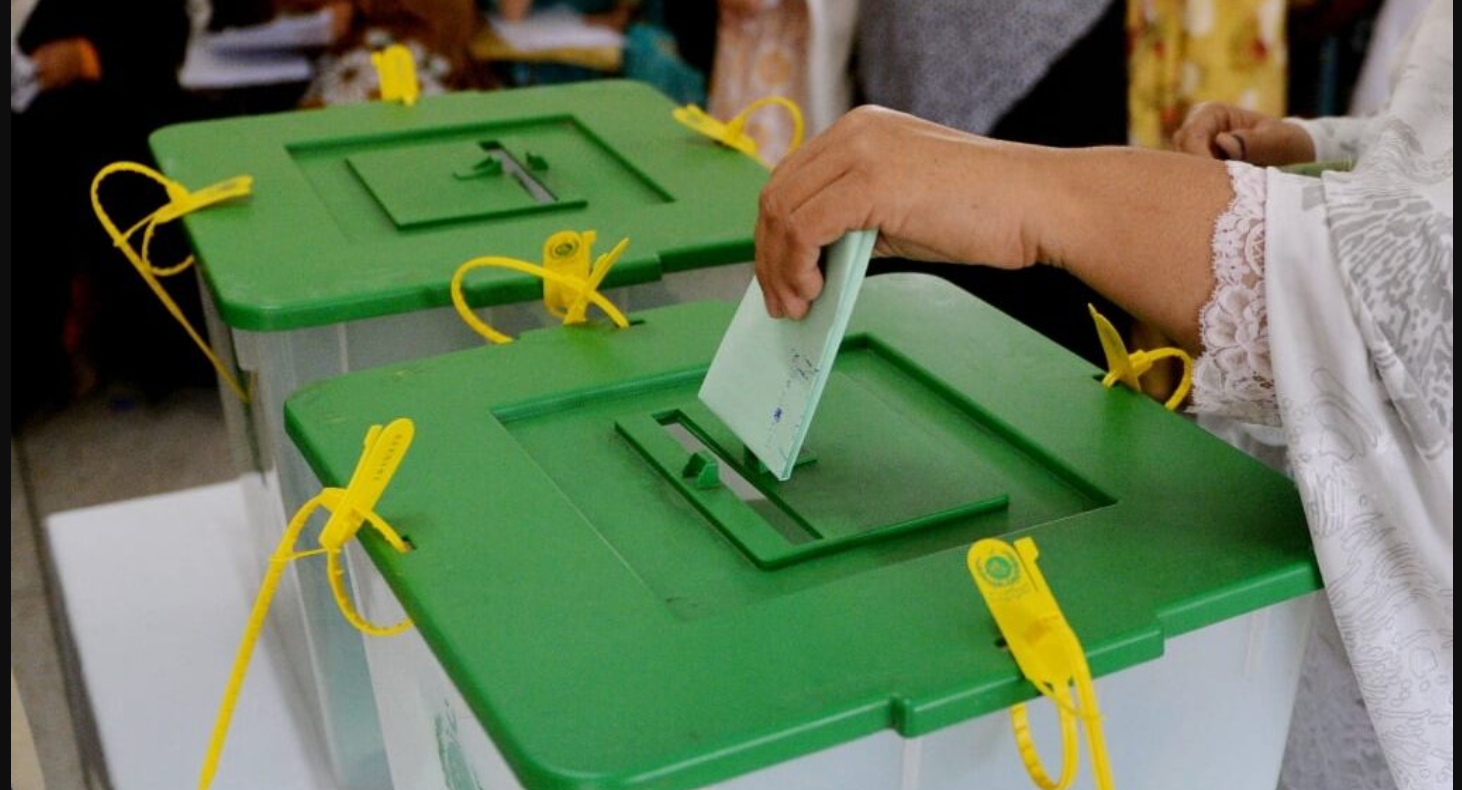

The government is reportedly considering a significant change in Pakistan’s electoral framework. The proposal involves increasing the voting age from 18 to 25 years under a possible 28th Constitutional Amendment.
The suggestion has triggered widespread political debate. It has also raised questions about youth participation, democratic rights, and electoral reform in the country.
Proposal Linked to Constitutional Reforms
The discussion emerged amid speculation surrounding broader constitutional changes. These reforms are being debated ahead of Eid ul Adha, expected on May 27.
Officials and political leaders are reviewing multiple governance-related issues under the proposed amendment. These include electoral laws, financial distribution, and administrative reforms.
The voting age proposal is one of several points under consideration. It has not yet been finalized or formally approved.
Government Perspective on Voting Age Debate
Adviser to the Prime Minister on Political and Public Affairs Rana Sanaullah stated that the proposal is part of ongoing discussions. He linked the issue to consistency in electoral eligibility rules.
He explained that if citizens cannot contest elections before the age of 25, then adjustments in voting age may be reviewed. The discussion aims to align voting eligibility with candidacy requirements.
Sanaullah emphasized that the matter remains under review. He also noted that no final decision has been made.
Current Legal Framework
At present, Pakistani citizens aged 18 and above are eligible to vote. This eligibility applies if they are registered in their respective electoral constituencies.
Any change to this system would require both constitutional and legal amendments. Such a decision would also need parliamentary approval and political consensus.
The current framework was established to encourage early democratic participation among young citizens.
Political Debate and Public Concerns
The proposal has sparked strong reactions across political and social circles. Analysts believe it could significantly reshape youth participation in elections.
Critics argue that raising the voting age could reduce political inclusion. They also suggest it may weaken the voice of younger voters in national decision-making.
Supporters of the debate, however, claim that electoral maturity is an important consideration. They argue that policy alignment between voting and candidacy ages needs review.
The discussion continues to gain attention as constitutional reforms are being explored more broadly.
Broader Reform Agenda Under Consideration
The proposed constitutional amendment is not limited to voting age discussions. It also includes wider governance topics.
These include National Finance Commission (NFC) resource distribution, population management policies, and water infrastructure development projects.
Officials have stressed that any reforms will proceed only after consensus is achieved among political stakeholders. This approach aims to ensure stability and broad agreement.
Conclusion
The proposal to increase Pakistan’s voting age from 18 to 25 has opened an important national debate. While still under discussion, it highlights ongoing efforts to review constitutional and electoral frameworks.
As consultations continue, the final direction will depend on political consensus and legislative approval.

