
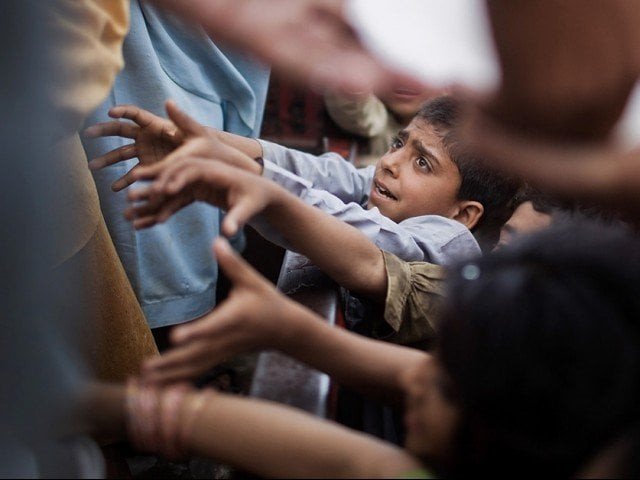

More than one-third of Pakistan’s population faces overlapping hardships in healthcare, education and living standards, according to a new United Nations Development Programme (UNDP) report. The findings place Pakistan’s multidimensional poverty rate above those reported for India and Bangladesh, highlighting persistent challenges in access to essential services.
The UNDP’s latest Multidimensional Poverty Index (MPI), released on October 12, estimates that 38.3% of Pakistanis experience multiple forms of deprivation.
Pakistan Records Higher Multidimensional Poverty
The report estimates multidimensional poverty at 16.4% in India and 14.9% in Bangladesh. However, the figures come from household surveys conducted in different years, so they do not represent a strictly like-for-like comparison.
In Pakistan, the intensity of deprivation among people classified as multidimensionally poor stands at 51.7%. Another 12.9% of the population is considered vulnerable to multidimensional poverty.
Unlike income-based measurements, the MPI examines several disadvantages simultaneously. These include inadequate nutrition, child mortality, limited schooling, poor sanitation, unsafe drinking water, unreliable electricity, housing conditions and household assets.
Global Multidimensional Poverty Reaches 1.2 Billion
The report also identifies a concerning global trend. The number of people living in multidimensional poverty has risen for the first time in 15 years, reaching approximately 1.2 billion. That figure represents an increase of 51.5 million compared with the previous update. Children account for more than half of those affected, with around 617 million living in multidimensional poverty.
The report also finds that 83% of people experiencing multidimensional poverty live in rural areas, where access to essential services can remain limited.
UNDP Administrator Alexander De Croo said the increase should serve as a warning to governments worldwide. He highlighted the combined effects of hunger, missed schooling and inadequate access to clean water and electricity.
South Asia Faces Persistent Deprivation
South Asia accounts for at least one-third of global deprivations in nutrition, housing and years of schooling.
The report estimates the region’s multidimensional poverty rate at approximately 19.3%, while another 18.4% of its population remains vulnerable to such poverty.
Education contributes 33.7% to regional multidimensional poverty, followed by living standards at 36.3% and health at 29.9%.
These overlapping disadvantages can reinforce one another. Poor health can disrupt education, while limited schooling and inadequate living conditions can restrict employment opportunities and household income.
Tackling Poverty Requires Better Access to Essential Services
The findings underline the importance of addressing poverty beyond financial assistance alone. Improving healthcare, school attendance, sanitation, clean water, electricity and housing can help reduce multiple forms of deprivation.
For Pakistan, the figures highlight the scale of the challenge facing policymakers as they work to improve living conditions and expand access to essential services.
For the latest updates, visit and follow The Truth International website (www.thetruthinternational.com) and subscribe to the YouTube Channel.

