
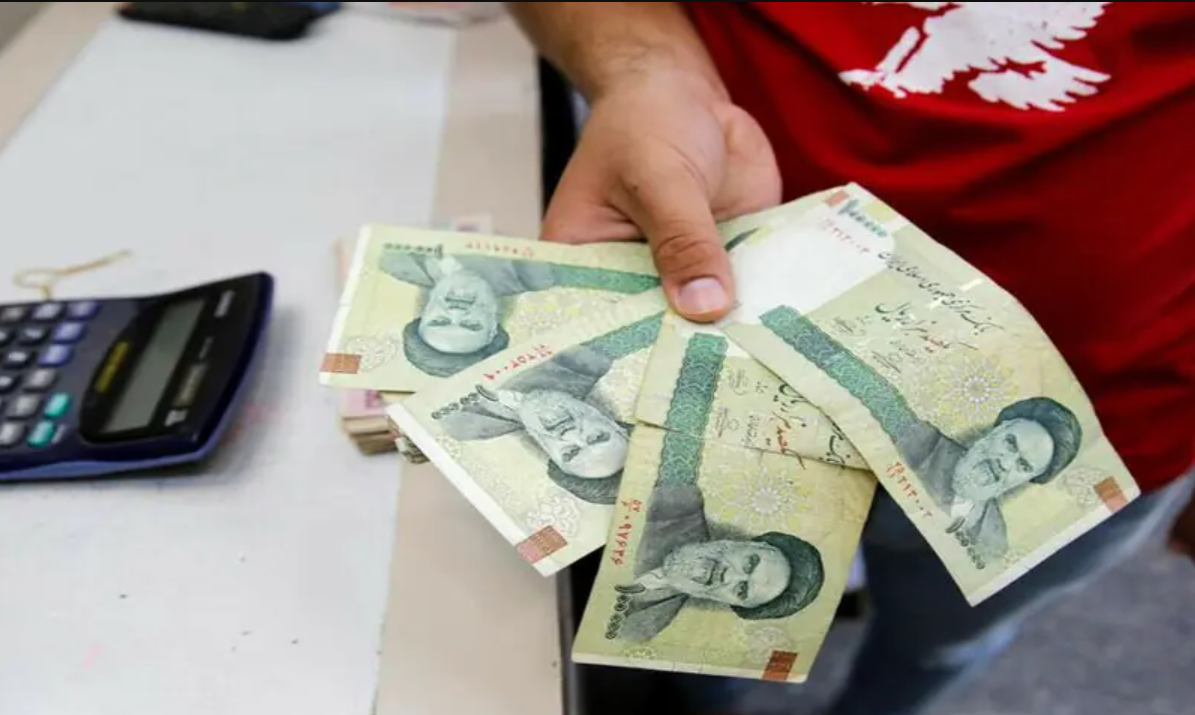

Trading in the Iranian rial continues across Pakistan despite renewed tensions between the United States and Iran. Market participants say buying and selling activity remains steady, while the currency has shown signs of strengthening in recent days.
The continued demand reflects expectations among some buyers that the Iranian rial could appreciate further if regional conditions improve in the future.
Although uncertainty remains high, traders continue to monitor exchange rates closely before completing transactions.
Demand for Iranian Rial Remains Steady
Recent regional developments have increased uncertainty following US actions and Iran’s retaliatory measures in and around the Strait of Hormuz.
Even so, buyers in Pakistan continue purchasing Iranian rials.
According to market participants, many investors believe the currency could gain value if geopolitical tensions ease and economic conditions improve.
As a result, trading activity has continued despite the uncertain regional environment.
Official Exchange Rates Show Slight Movement
The Central Bank of Iran (CBI) has released updated official exchange rates showing slight changes in the value of the Iranian rial against major international currencies.
According to the published figures:
- One US dollar was valued at 1,359,712 Iranian rials, compared with 1,358,323 rials a day earlier.
- One euro was listed at 1,550,497 Iranian rials, reflecting a slight decrease.
The official rates indicate modest movement in the currency while broader market conditions remain volatile.
Pakistani Rupee Conversion
The reported exchange rates also included the Pakistani rupee.
According to the available figures:
- 100 Pakistani rupees were equivalent to 489,083 Iranian rials.
Meanwhile, a packet containing 10 million Iranian rials continues to sell in Pakistan for approximately Rs. 6,000 to Rs. 7,000.
These prices reflect ongoing market activity despite persistent regional uncertainty.
SANA Exchange System Rates
Additional exchange figures were reported through Iran’s SANA exchange system.
According to those rates:
- One US dollar traded at approximately 1,496,270 Iranian rials.
- One euro traded at around 1,706,216 Iranian rials.
These figures differ from the official central bank rates and represent another reference point used by market participants.
Open Market Rates Remain Higher
Open-market exchange rates continue to remain significantly above official prices.
According to available market data:
- The US dollar traded between 1,810,000 and 1,840,000 Iranian rials.
- The euro traded between 2,060,000 and 2,090,000 Iranian rials.
Market observers attribute the wide gap between official and open-market rates to international sanctions, ongoing regional tensions, and restrictions affecting trade routes.
These factors continue to influence currency pricing across different markets.
Experts Explain Continued Demand
Economic experts believe demand for the Iranian rial in Pakistan is driven by expectations of future appreciation.
According to their assessment, any easing of US-Iran tensions could lead to reduced sanctions and increased Iranian oil exports.
Such developments could strengthen the Iranian economy and support the value of its currency.
However, experts also caution that purchasing rials at prices above prevailing open-market levels may involve considerable financial risk.
Regional developments remain unpredictable, and currency values can change rapidly.
Dealers Advise Buyers to Verify Rates
Currency dealers have urged buyers to confirm exchange rates before completing transactions.
They explained that open-market rates often change on a daily basis.
Several factors influence these fluctuations, including supply and demand, international sanctions, global economic conditions, border trade activity, and broader market trends.
Consequently, traders recommend checking the latest rates to avoid unexpected price differences.
Market Remains Sensitive to Regional Developments
Trading in the Iranian rial continues despite heightened geopolitical tensions across the Middle East.
While some buyers remain optimistic about the currency’s long-term prospects, market conditions remain highly uncertain.
Future movements in the rial are likely to depend on regional security developments, international sanctions, and broader economic conditions. For now, traders continue to monitor exchange rates closely as market sentiment responds to changing geopolitical events.

