
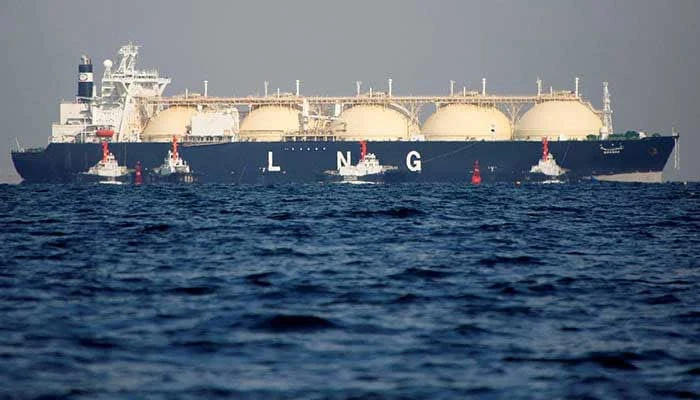

Sui Northern Gas Pipelines Limited (SNGPL) has declared force majeure after disruptions in regasified liquefied natural gas (RLNG) supplies caused by renewed tensions around the Strait of Hormuz. The decision could affect electricity generation in Punjab and increase the risk of load shedding during the coming weeks.
According to informed officials, the disruption is expected to continue for three weeks. As a result, power generation from more than 5,000 megawatts of RLNG-based power plants in Punjab may be affected, while electricity transmission from Sindh to northern load centres could also face disruptions.
RLNG supply suspended until August
In separate letters sent to four RLNG-based power plants in Punjab, SNGPL stated that Pakistan State Oil (PSO) had informed the company that “the event of force majeure notified due to ongoing war in the Gulf region remains in effect and continues to prevent the performance of its supplier’s obligations under their LNG Sale and Purchase Agreements (SPAs).”
The company further said PSO had conveyed that “the regional military conflict remains unresolved and ensuing threats to security remain elevated”.
According to the notification, Qatar Energy has started a gradual resumption of operations after assessing regional security conditions, employee safety, and operational constraints.
However, although the number of vessel transits through the Strait of Hormuz has increased, safe passage remains intermittent and limited.
LNG cargoes remain affected
SNGPL said PSO had informed the company that Qatar Energy could not deliver LNG cargoes scheduled between July 14 and August 3.
Additionally, the supplier would also be unable to follow the existing delivery schedule for subsequent cargoes listed under the Annual Development Plan 2026.
The company added that Qatar Energy would later provide PSO with a revised Annual Development Plan covering the remaining contract period.
Force majeure affects contractual obligations
According to SNGPL, circumstances beyond its reasonable control have continued to disrupt LNG supplies. Consequently, the company said its ability to fulfil obligations under the Gas Supply Agreement signed on October 29, 2016, has been materially affected.
These obligations include supplying RLNG to power plants and maintaining the required gas specifications.
The company stated, “Accordingly, the event of force majeure previously notified, continues under Article 13 of the GSA and SNGPL is relieved from its performance obligations to the extent and for the duration that such force majeure Event or its effects continue in accordance with” the agreement.
Company continues monitoring the situation
SNGPL said it is closely monitoring developments while coordinating with PSO to reduce the operational impact of the supply disruption.
The company also noted, “The situation arising from the Force Majeure event and the surrounding circumstances remain highly uncertain”, adding that any further developments, including changes to cargo schedules beyond August 3, would be communicated accordingly.
Higher load shedding and fuel costs possible
Officials said the disruption means LNG cargo supplies are likely to remain affected until at least August 3.
Consequently, Upper Punjab and the Northern Areas may experience electricity shortages and increased load shedding.
Officials also warned that the Independent System & Market Operator may have to run power plants on diesel to compensate for reduced RLNG supplies.
However, diesel-based electricity generation is significantly more expensive. As a result, consumers could eventually face either longer power outages or higher electricity costs.

