
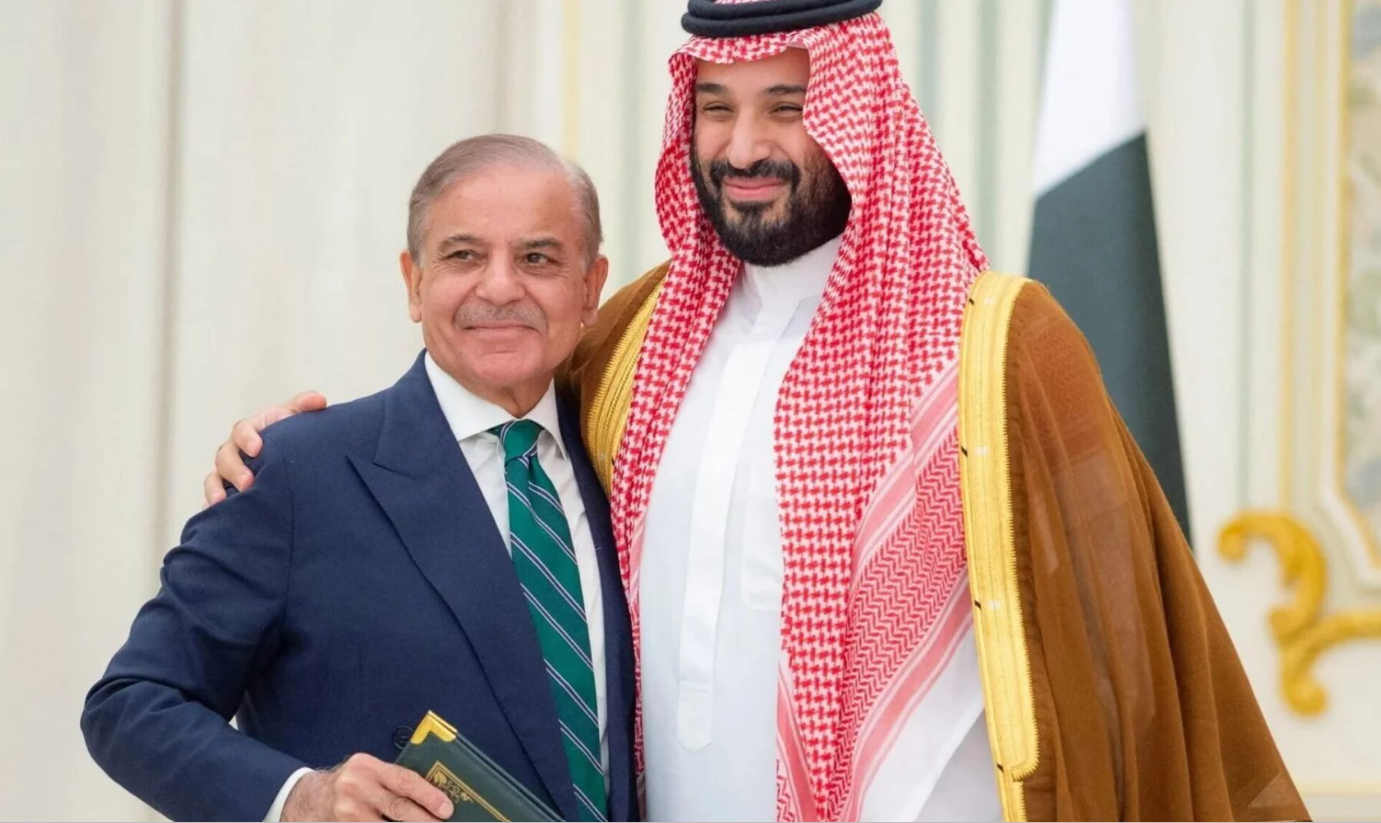

Pakistan has reportedly conveyed to Iran that any Houthi attacks on Saudi Arabia would be viewed as attacks on Pakistan itself. The reported message comes as missile strikes targeting Saudi Arabia have heightened security concerns across the region.
The development follows renewed tensions involving the Houthis, Saudi Arabia, Iran, and the United States. At the same time, Islamabad continues its diplomatic efforts to prevent a broader regional conflict while safeguarding its strategic interests.
Pakistan Reaffirms Support for Saudi Arabia
According to a Pakistani official, the country’s senior civil and military leadership delivered a clear message to Iran regarding attacks on Saudi Arabia.
“Our top civil and military leaders have conveyed to Iran at the highest level that the attacks on Saudi Arabia are attacks on Pakistan,” the official said. “It is our red line.”
The statement reflects Pakistan’s commitment under the mutual defence agreement signed with Saudi Arabia last year. Under the pact, both countries agreed to treat aggression against either nation as an attack on both.
Houthi Missile Attack Raises Regional Concerns
The latest tensions emerged after the Houthis launched missiles toward Saudi Arabia. The group claimed the attack came in response to the alleged bombing of an airport under its control.
Although the incident broke a four-year truce, officials indicated that the exchange has so far remained limited to a single episode.
Nevertheless, the development has increased concerns in Islamabad about the possibility of wider regional instability.
Pakistani Forces Deployed Near Saudi Border
According to officials, Pakistani soldiers are currently deployed near Saudi Arabia’s border with Yemen. Their presence places them closer to any potential escalation involving Houthi attacks.
Meanwhile, security experts believe Pakistan was not expecting the situation to deteriorate so rapidly.
One analyst said, “Pakistan wasn’t anticipating that the tensions will rise so suddenly.”
Another analyst noted that Islamabad continues diplomatic engagement with all sides. However, the analyst warned that the situation could change “if the Houthis expand the radius of their attacks in Saudi Arabia”.
Supply Routes and Energy Security Remain Key Concerns
Besides security considerations, Pakistan is closely monitoring the impact of regional tensions on trade and energy supplies.
The country depends heavily on Middle Eastern oil and gas imports. Therefore, any disruption around the Strait of Hormuz or the Red Sea could affect Pakistan’s supply chains.
Officials noted that earlier disruptions forced the government to introduce emergency measures, including reduced business hours, to manage fuel supplies.
Consequently, stability across regional shipping routes remains a major priority for Islamabad.
Mediation Efforts Continue Despite Rising Tensions
Pakistan has also remained involved in diplomatic efforts aimed at reducing tensions between Iran and the United States.
One official stressed that Islamabad intends to continue supporting mediation efforts despite growing regional challenges.
“Yes, there is frustration, but that doesn’t mean that we are abandoning this project,” the official said. “We have invested a lot in it, and we have an interest in keeping it afloat.”
At the same time, another source acknowledged Pakistan’s longstanding commitment to Saudi Arabia.
“It’s in everyone’s best interest for the war to end,” the source said. “But if Saudi calls us in, we will stand by them and there is no doubt about that.”
Pakistan Balances Diplomacy and Strategic Commitments
The latest developments highlight Pakistan’s attempt to balance diplomatic engagement with its strategic security commitments. While Islamabad continues supporting efforts to reduce regional tensions, it has also reaffirmed its defence partnership with Saudi Arabia.
As the regional situation evolves, Pakistan appears focused on protecting both its national security interests and its vital economic and energy links with the Gulf region.

