
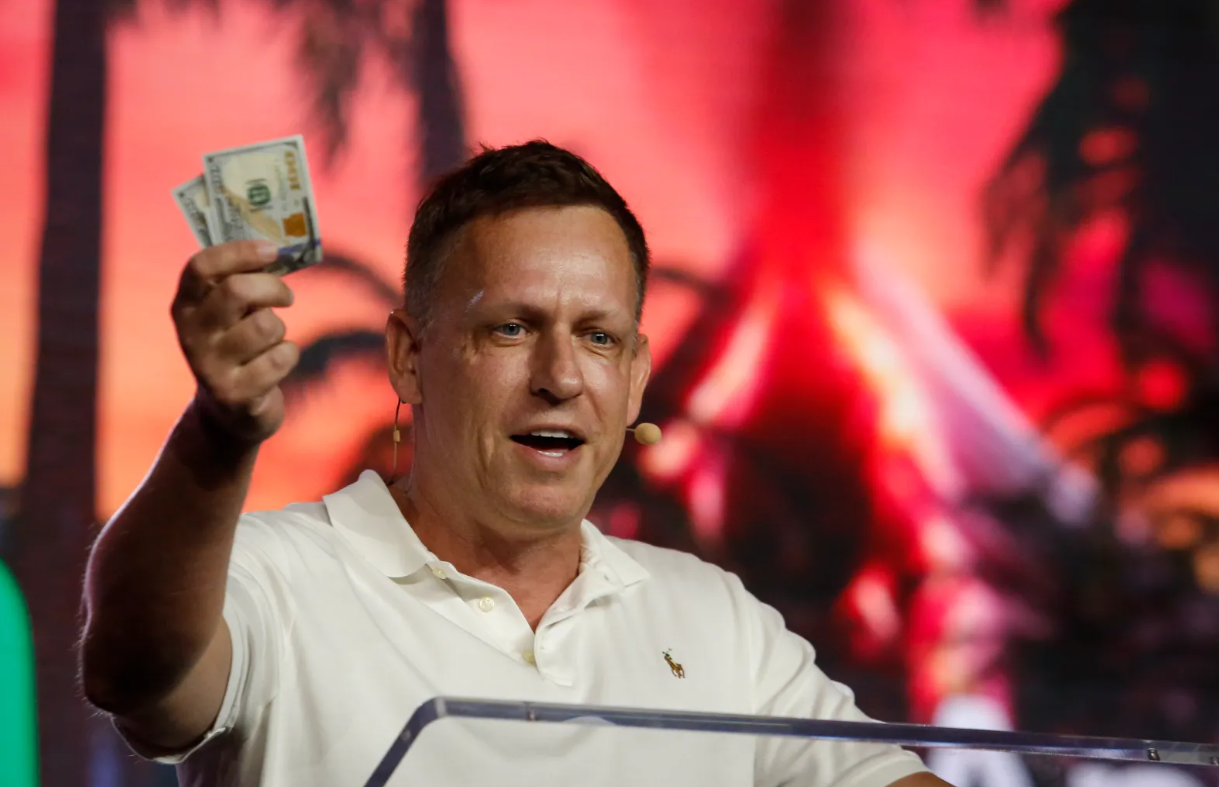

Billionaire entrepreneur Peter Thiel has reportedly relocated his family to Buenos Aires, Argentina. The move has attracted significant attention due to Thiel’s influence in technology, finance, and politics.
The 58-year-old businessman co-founded PayPal and later helped establish Palantir Technologies. Over the years, he has become one of the most prominent figures in Silicon Valley.
Reports indicate that Thiel has settled into a luxury residence in the Argentine capital. Additionally, his children have reportedly been enrolled in a local school.
The development has sparked speculation about the reasons behind the move. While several factors appear relevant, taxes and political ideology remain at the center of discussions.
Tax Concerns Reportedly Played a Role
One major factor linked to the relocation involves a proposed wealth tax in California.
The proposal includes a one-time 5 percent tax on assets exceeding $1 billion. If implemented, the measure could potentially affect some of the state’s wealthiest residents.
With an estimated fortune of around $28 billion, Thiel could face a substantial tax obligation under such a proposal.
As a result, many observers believe financial considerations may have influenced his decision to spend more time abroad.
However, reports suggest that taxation alone does not explain the move.
Relationship With Argentina’s Leadership Draws Attention
Another reported factor involves Thiel’s relationship with Argentine President Javier Milei.
According to reports, the two share a close friendship. Furthermore, sources claim that Argentine authorities offered Thiel a pathway to citizenship.
Although no official confirmation has emerged regarding a completed citizenship process, the possibility has fueled further interest.
Argentina has recently attracted attention from international investors and entrepreneurs. Consequently, Thiel’s decision aligns with a broader trend of global business figures exploring opportunities outside traditional financial centers.
Multiple Passports and Global Mobility
Thiel already possesses several citizenships. Reports indicate that he holds passports from the United States, New Zealand, and Germany.
In addition, he is reportedly pursuing Maltese citizenship.
This international mobility provides flexibility regarding residence and business interests. Therefore, relocating to Argentina may fit within a broader global strategy rather than representing a complete departure from the United States.
Importantly, reports suggest that more than 99 percent of Thiel’s wealth remains tied to U.S.-based assets.
Moreover, the Buenos Aires residence appears to be his only known investment in Argentina at this stage.
Crypto Community Reacts to the Move
The relocation quickly generated discussion within cryptocurrency circles.
Many digital asset advocates viewed the move through the lens of financial privacy and government regulation.
Among the reactions, one comment attracted particular attention. Will McEvoy, an executive associated with privacy-focused cryptocurrency initiatives, wrote:
“The need for Zcash has never been greater.”
The statement reflected ongoing debates about financial privacy, taxation, and individual control over assets.
Why Zcash Entered the Discussion
Zcash is a cryptocurrency designed to provide enhanced transaction privacy.
Unlike many digital currencies, Zcash allows users to shield transaction details from public view. As a result, supporters often promote it as a privacy-focused alternative within the cryptocurrency ecosystem.
Following news of Thiel’s relocation, discussions surrounding privacy-focused digital assets intensified.
However, there is no indication that Thiel’s move was directly connected to Zcash.
Instead, the cryptocurrency became part of a broader conversation about wealth, privacy, and government oversight.
Peter Thiel’s Longstanding Support for Cryptocurrency
Thiel has consistently expressed support for cryptocurrency, particularly Bitcoin.
In previous statements, he described Bitcoin as “digital gold,” highlighting its potential as a store of value.
His investment firm has also backed major cryptocurrency initiatives. Over the years, Thiel has remained one of the most influential technology investors supporting digital assets.
Therefore, interest in his relocation naturally extended into crypto markets and online communities.
Javier Milei’s Crypto-Friendly Reputation
President Javier Milei has also earned a reputation as one of the world’s most cryptocurrency-friendly leaders.
He has publicly praised Bitcoin and advocated greater financial freedom.
At one point, Milei described Bitcoin as a way to “make money private again”.
His views have resonated with many cryptocurrency supporters. Consequently, Argentina has become an important market for digital asset adoption.
However, Milei also faced criticism after promoting the $LIBRA token in 2025.
The token’s value surged rapidly before collapsing. As a result, many investors suffered substantial losses, triggering controversy and scrutiny.
What Thiel’s Move Could Mean
Although Peter Thiel has reportedly relocated his family to Argentina, the broader implications remain unclear.
His wealth remains overwhelmingly concentrated in the United States. Furthermore, there is no indication that he plans to sever business ties with the country.
Nevertheless, the move highlights growing discussions about taxation, citizenship, financial freedom, and global mobility among high-net-worth individuals.
As governments continue debating tax policies and regulatory frameworks, similar relocations may attract increasing attention.
Conclusion
Peter Thiel’s reported move to Argentina has sparked global discussion. Tax considerations, ideological alignment, and international opportunities appear to be key factors behind the decision.
At the same time, his close ties to technology and cryptocurrency have amplified public interest in the story.
While questions remain about his long-term plans, the relocation underscores how business leaders increasingly view residence, citizenship, and investment through a global lens.

