
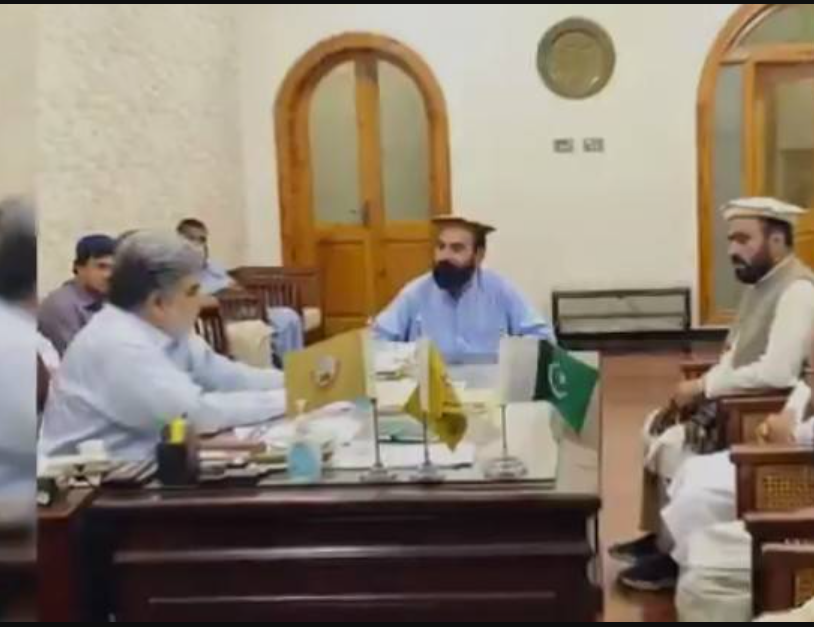

Khyber Pakhtunkhwa has launched the selection of Area Development Secretariat members under a new administrative system designed to strengthen local representation and address community needs.
The process began on October 14 in North Waziristan, Khyber, Bannu and Thal in Kurram. Meanwhile, authorities plan to hold consultations in the remaining districts over the following two days.
The initiative will cover 12 districts across the province, giving local communities a role in choosing representatives through traditional jirgas and mutual consultation. Tribal elders, residents and other stakeholders will participate in the process.
The selected representatives will help communicate local priorities to government institutions. Consequently, officials hope the system will improve development planning and strengthen coordination between communities and administrative authorities.
Which 12 Districts Are Included?
The new system covers districts across southern and merged tribal areas of Khyber Pakhtunkhwa. Residents will select representatives through jirgas in the following locations:
- Bajaur
- Mohmand
- Khyber
- Kurram
- Orakzai
- North Waziristan
- Upper South Waziristan
- Lower South Waziristan
- Dera Ismail Khan
- Tank
- Lakki Marwat
- Bannu
District administrations have begun facilitating the process through consultation sessions and meetings with local stakeholders. These discussions aim to ensure that the selection reflects community participation and respects established tribal traditions.
Jirgas Discuss Security and Development Needs
District administrations organised jirgas in North Waziristan, Khyber, Bannu and Thal to begin consultations. Tribal chiefs, elders, religious scholars and traders attended the meetings.
Participants discussed several pressing concerns, including law and order, security, public grievances and development requirements. These discussions allowed local stakeholders to identify issues affecting their communities.
Deputy commissioners and district officials are supporting the process by coordinating jirgas and consultation meetings. Their involvement aims to help communities select representatives while maintaining communication with government institutions.
Furthermore, tribal elders expressed confidence in the proposed administrative system. They also pledged to cooperate with government institutions and security forces to address public concerns and maintain peace.
Two Representatives From Each District
Under the proposed arrangement, each of the 12 districts will select two tribal elders or leaders. Together, these representatives will form a Regional Development Council.
The council will identify development projects based on local requirements and recommend solutions to public problems. It will also help improve coordination between communities and administrative authorities.
This structure aims to give local residents a stronger voice in development planning. Instead of relying solely on administrative assessments, officials will have a channel for receiving priorities identified through community consultations.
Moreover, the involvement of tribal elders and other stakeholders is intended to connect local traditions with formal administrative processes. The approach places community participation at the centre of identifying development needs.
Consultations to Continue Across Remaining Districts
The selection process remains underway as authorities work towards completing consultations across all 12 districts. Meetings will continue until representatives have been selected from every district.
Once formed, the Regional Development Council will help identify local priorities and communicate proposed projects to the relevant authorities. Its role will focus on development planning, public concerns and coordination.
The initiative seeks to strengthen local involvement in decisions affecting communities across Khyber Pakhtunkhwa. Its implementation will depend on completing the selection process and translating community priorities into practical development proposals.
For the latest updates, visit and follow The Truth International website (www.thetruthinternational.com) and subscribe to the YouTube Channel.

