
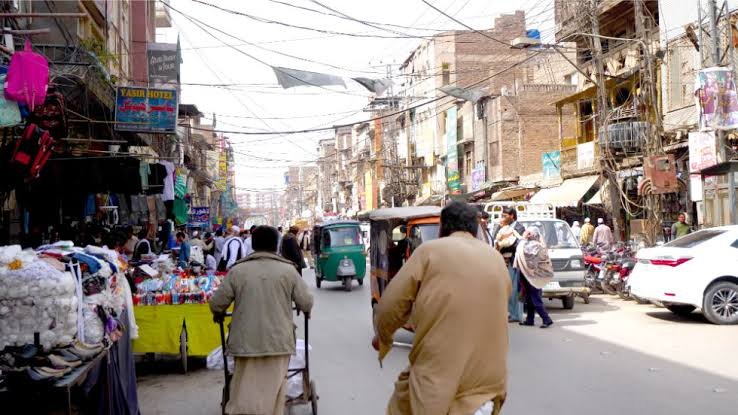

New Law Brings Digital Registration and Legal Status for Roadside Vendors
The Khyber Pakhtunkhwa Assembly has passed the Street Vendors Protection Bill 2026, introducing a formal registration system for roadside vendors across the province.
Under the new legislation, street vendors will be required to obtain computerized registration before operating legally.
Registered vendors will receive a digital vending certificate carrying a QR code.
The certificate will serve as official proof that the vendor is authorized to operate under the provincial regulatory system.
Anyone aged 14 years or above will be eligible to register as a street vendor under the law.
The legislation is expected to bring more than 140,000 street vendors into a formal legal framework for the first time.
Supporters of the bill say the system will provide greater protection against arbitrary eviction and harassment.
Street vendors have traditionally operated in an informal environment, often without documented permission or clearly defined legal rights.
The new system seeks to establish rules for both vendors and authorities.
It also aims to give local governments a clearer record of people operating roadside stalls in commercial and public spaces.
Can Authorities Harass Vendors After Registration? Bill Introduces Penalties
One of the most significant provisions of the bill concerns protection from harassment.
Government officials found unjustifiably harassing registered street vendors could face departmental action.
The legislation also introduces penalties for private individuals and shopkeepers who harass vendors.
Anyone found responsible could face a fine of up to Rs20,000.
The law also allows imprisonment for up to one month in certain cases.
These provisions are intended to protect vendors from being repeatedly removed or pressured without lawful justification.
However, the legislation does not give vendors unrestricted freedom to occupy public spaces.
Registered vendors will still be required to follow rules covering cleanliness, public access and prohibited activities.
Authorities will be allowed to take action against illegal encroachments.
Vendors may also face penalties for violating sanitation standards or selling prohibited products.
The legislation therefore attempts to balance legal protection for vendors with regulation of public spaces.
Certificates Can Be Cancelled as Rs380 Billion Sector Comes Under Regulation
The vending certificate issued under the new law will not be permanent in all circumstances.
Authorities may suspend or cancel a certificate if a vendor provides false information during registration.
Certificates may also be withdrawn if vendors repeatedly violate applicable regulations.
However, affected vendors will have the right to appeal against suspension or cancellation decisions.
The bill also prohibits the sale or transfer of vending certificates.
Anyone found illegally selling or transferring a certificate could face a fine of up to Rs3,000.
Officials say the legislation is also important because of the economic size of the street vending sector.
According to figures cited in the bill, street vendors in Khyber Pakhtunkhwa generate more than Rs380 billion in annual business activity.
The sector is also estimated to contribute approximately Rs130 billion annually to the national economy.
Authorities believe better regulation could increase transparency while creating additional revenue opportunities for local governments.
Digital registration could also help officials collect more accurate data on vendors, locations and commercial activity.
The QR code-based certificate system is expected to make verification easier for enforcement teams and local authorities.
The law represents a major shift from informal roadside vending toward a regulated system offering both rights and responsibilities.
Its real impact, however, will depend on implementation and whether registered vendors receive the protections promised under the legislation.

