
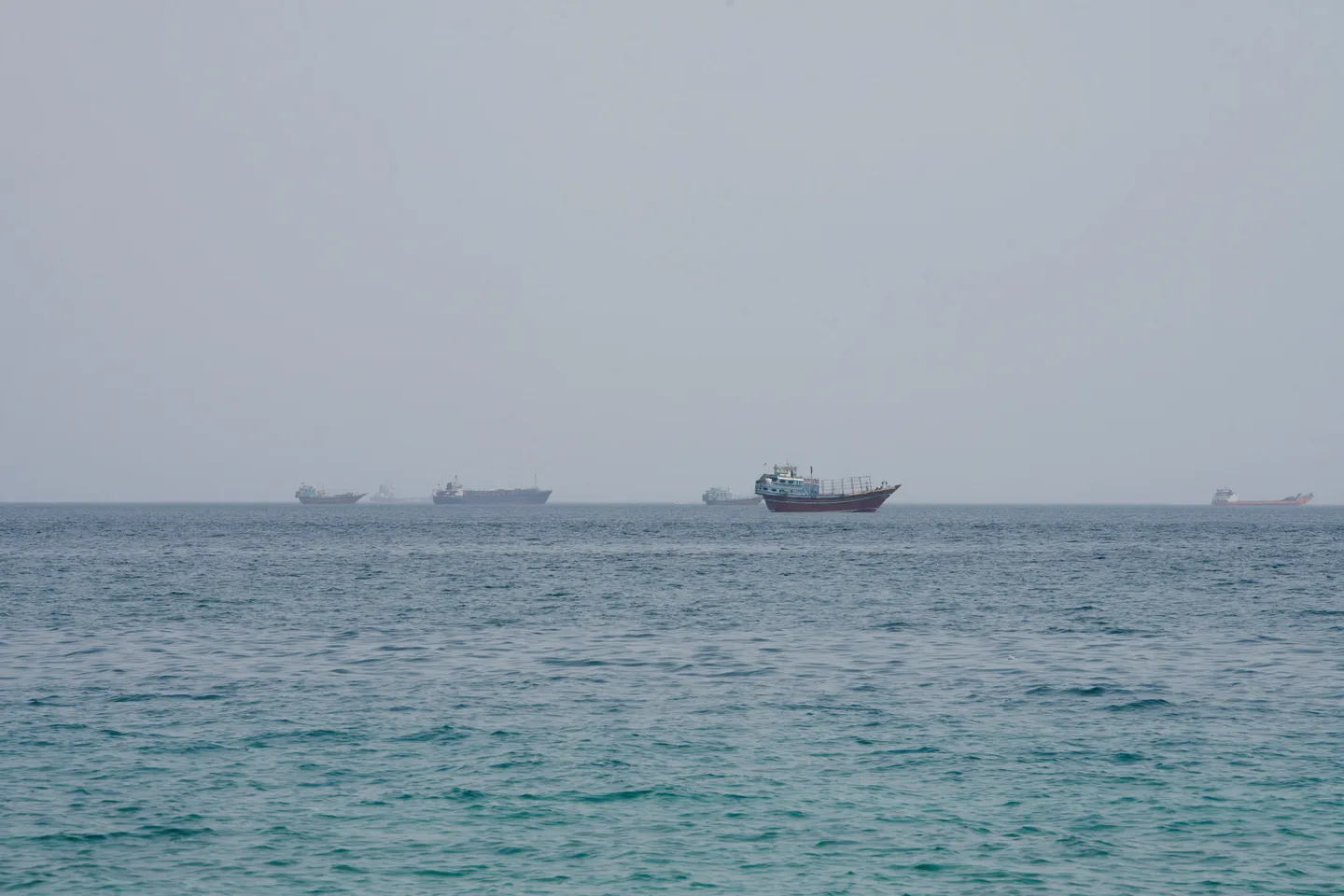

Iran has warned vessels using the Strait of Hormuz that violations could lead to serious penalties. The measures could include fines, detention and vessel confiscation.
The Persian Gulf Strait Authority (PGSA) said vessels must follow Iranian protocols while passing through the strategic waterway. It also warned shipping companies to check compliance records before chartering vessels.
The authority urged cargo owners transporting goods to and from the Persian Gulf to review its non-compliant vessels (NCV) list. The list is available on the PGSA website.
Iran Expands Restrictions on Non-Compliant Vessels
The PGSA said vessels cooperating with those on the NCV list could also face restrictions. This includes vessels involved in ship-to-ship (STS) transfers or trans-shipment activities.
The authority said such vessels would be added to the list immediately. It also provided a process for vessels seeking removal from the list.
Vessels can request removal by submitting a formal application to the PGSA. Applicants must also provide reasons supporting their request.
The warning comes as tensions continue to escalate around the Strait of Hormuz. The waterway remains a major route for global energy shipments.
Fewer Than 20 Ships Cross Hormuz
Commercial traffic through the Strait of Hormuz has dropped sharply amid restrictions imposed by Iran and the United States.
Fewer than 20 commodity vessels crossed the waterway over the weekend, according to shipping data. Four vessels passed through on Sunday, while 13 crossed on Saturday.
The figures could change because some vessels switched off their tracking devices during their journeys. On Friday, 16 vessels crossed the strait.
Two empty very large crude carriers also entered the Gulf on Friday with tracking systems switched off. One vessel was heading toward Iraq, while the other was bound for Bahrain.
The reduced traffic highlights the growing impact of the restrictions on one of the world’s most important energy routes.
US Forces Redirect 70 Commercial Vessels
US Central Command has reported further actions involving commercial shipping near Iran.
As of August 23, US forces had redirected 70 commercial vessels. They had also disabled three vessels and boarded two others to “ensure compliance” with the US blockade against Iran.
The measures have added further uncertainty for shipping companies operating near the strategic waterway. Meanwhile, Iran continues to oppose Washington’s efforts to restrict its economy.
Ghalibaf Warns Trump Over Economic Pressure
Iranian Parliament Speaker Mohammad Bagher Ghalibaf has also criticised US President Donald Trump’s economic campaign against Tehran.
In a post on a private account, Ghalibaf warned that efforts to isolate Iran could eventually affect American taxpayers and businesses. He also pointed to potential consequences for energy markets.
“Importing frozen meat to fix meat prices? Okay, that might work,” he wrote, referring to recent US measures targeting consumer prices.
He then questioned how the Trump administration planned to address other economic challenges.
“What’s your plan for bonds?” Ghalibaf hit out at Trump, taunting him as if he is going to import “frozen yields for bonds, frozen homebuyers for housing, and frozen paychecks for wages.”
Ghalibaf also linked US foreign policy with domestic economic conditions.
Stating that “a frozen foreign policy produces a frozen [stagnant] economy,” the top parliamentarian warned the US president that “the only thing still moving is Iran’s boomerang, coming right back at your face.”
Iran Rejects Trump’s Economic Campaign
Ghalibaf’s remarks followed Trump’s announcement of a major new economic campaign against Iran. Trump has called for an unprecedented effort to isolate the Iranian economy. He has also urged US allies to join the campaign and increase pressure on Tehran.
Iran, however, has rejected the initiative and described Washington’s approach as “US economic terrorism.” The dispute adds another layer of uncertainty around the Strait of Hormuz. With commercial traffic already falling, further restrictions could affect global energy shipments and international shipping operations.
For now, Iran and the United States remain locked in a broader confrontation. The continued restrictions around Hormuz could further increase pressure on shipping companies, energy markets and businesses connected to the region.

