

The United States military announced it will begin a blockade of all maritime traffic entering and exiting Iranian ports and coastal areas on Monday after weekend negotiations failed to secure a lasting agreement to end the war with Iran. Consequently the move threatens a fragile two-week ceasefire that diplomats hoped would calm tensions across the Gulf region.
High stakes talks in Islamabad collapse after key disagreements remain unresolved
Officials confirmed that the meetings in Islamabad marked the first direct engagement between Washington and Tehran in more than a decade and the highest-level contact since Iran’s 1979 revolution. However negotiators clashed over Iran’s nuclear programme regional security demands and control of the strategic Strait of Hormuz. Meanwhile the US Central Command stated that forces will enforce the blockade impartially against vessels of all nations entering or departing Iranian ports. Nevertheless ships traveling to non-Iranian destinations through the strait will continue moving without interference.
Rising tensions fuel fears of wider regional confrontation
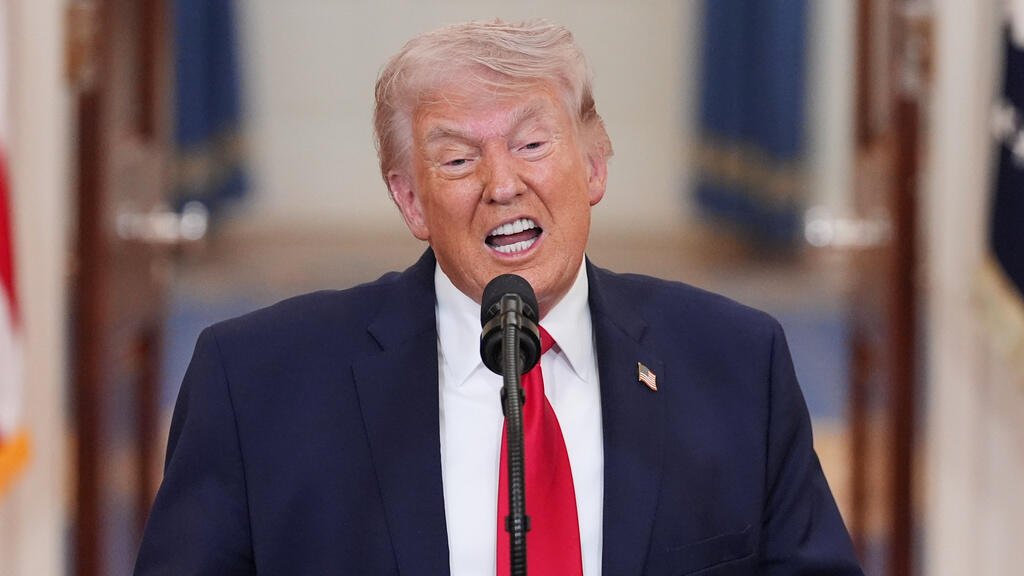
President Donald Trump warned that US naval units will intercept vessels that pay tolls to Iran and will remove sea mines from the vital waterway. Additionally Iranian Revolutionary Guards signaled they will treat approaching foreign warships as ceasefire violations and respond decisively if threatened. Furthermore Iranian officials rejected Washington’s demand to halt uranium enrichment dismantle major facilities and cut funding to allied armed groups. As a result global markets reacted quickly while oil prices and the US dollar climbed and Asian stocks slipped amid uncertainty. Analysts warn prolonged disruptions in the Strait could strain energy supplies and intensify political pressure worldwide. Therefore governments continue monitoring developments closely today worldwide.

