
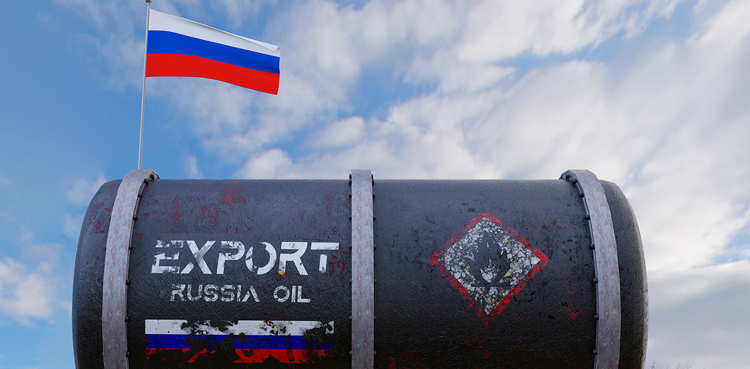

A bipartisan group of US senators introduced the Sanctioning Russia Act of 2026 on July 14. The revised bill targets Moscow’s war finances through tougher sanctions and tariffs. Moreover, lawmakers changed several provisions to address earlier concerns.
The legislation has secured more than 26 bipartisan co-sponsors. Supporters expect additional senators to join in the coming days. Meanwhile, the bill gained greater significance after Senator Lindsey Graham died unexpectedly over the weekend.
Senate Democratic Leader Chuck Schumer urged an immediate floor vote. He said lawmakers should pass the bill in Graham’s honor. Senate Majority Leader John Thune also expressed hope that the Senate would approve the measure soon.
The proposal follows more than a year of bipartisan negotiations. Before his death, Graham announced that lawmakers and the White House had reached agreement on key provisions. Furthermore, colleagues said he recently visited Ukraine and discussed the package with President Donald Trump.
Revised Tariffs Target Major Russian Energy Buyers
The updated legislation replaces the earlier proposal for a blanket 500 percent tariff. Instead, it authorizes tariffs of up to 100 percent on the five largest buyers of Russian oil and natural gas, including China and India.
Additionally, countries importing less than 15 percent of Russia’s annual gas exports may qualify for exemptions if they reduce dependence on Russian energy.
The bill also mandates sanctions against President Vladimir Putin, senior officials, state enterprises, banks, oligarchs, energy projects, and companies supporting Russia’s defense industry. Finally, it expands restrictions on Russia’s shadow oil tanker fleet and removes conditions tied to peace negotiations.

