

Pentagon says programme supports readiness as lawmakers debate policy implications
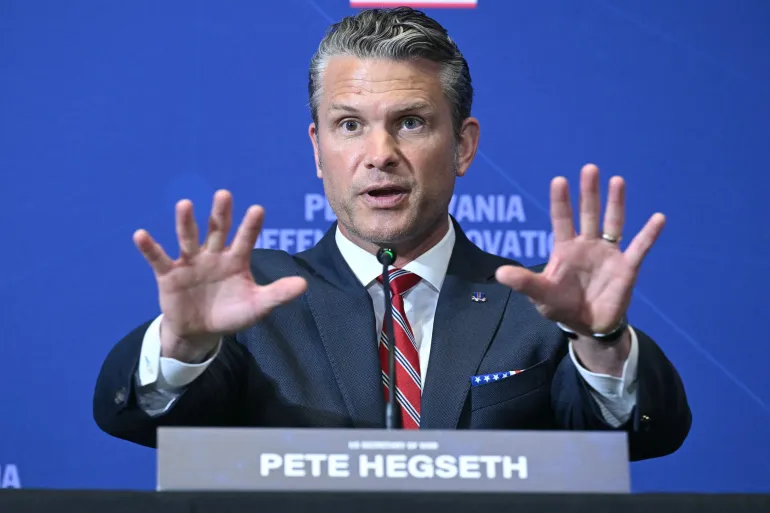
WASHINGTON: US Defense Secretary Pete Hegseth has announced a new annual testosterone screening programme for military personnel aged 30 and above, describing the initiative as part of a broader effort to improve force readiness, health and long-term performance.
Hegseth unveiled the programme in a video message on Wednesday, confirming that testosterone screening will become part of the mandatory annual Periodic Health Assessment already required for service members aged 30 and older. Personnel under 30 will have the option to participate voluntarily.
According to Hegseth, any treatment resulting from the screening, including testosterone replacement therapy, will remain a personal choice for each service member.
“This initiative is not about artificial enhancement,” Hegseth said. “It is about restoring and optimising natural capabilities, protecting longevity and ensuring service members have the biological foundation needed to perform their duties.”
Pentagon links programme to combat readiness
The new policy follows growing Pentagon interest in hormone health. A provision in the Fiscal Year 2025 National Defense Authorization Act requires the defense secretary to brief Congress on existing testosterone testing protocols and available treatments for low testosterone.
Medical experts note that testosterone levels naturally decline by about one percent annually after men reach their 30s or 40s. Pentagon officials said the screening programme aims to identify potential health concerns early while supporting operational effectiveness.
Hegseth has repeatedly promoted what he describes as a stronger “warrior ethos,” placing greater emphasis on physical fitness, military readiness and combat performance across the armed forces.
Lawmakers question policy scope
However, the announcement quickly drew criticism from several Democratic lawmakers. Senator Tammy Duckworth argued that testosterone therapy resembles gender-affirming medical care, while Representative Chrissy Houlahan questioned the policy’s consistency and urged the Pentagon to expand hormone screening to female service members.
Both lawmakers cited concerns about infertility and broader health issues affecting military personnel, arguing that comprehensive hormone screening should apply equally across the armed forces.
Despite the political debate, the Defense Department said the programme will proceed as part of its annual health assessment process, with participation and any subsequent treatment remaining voluntary for eligible service members.

