
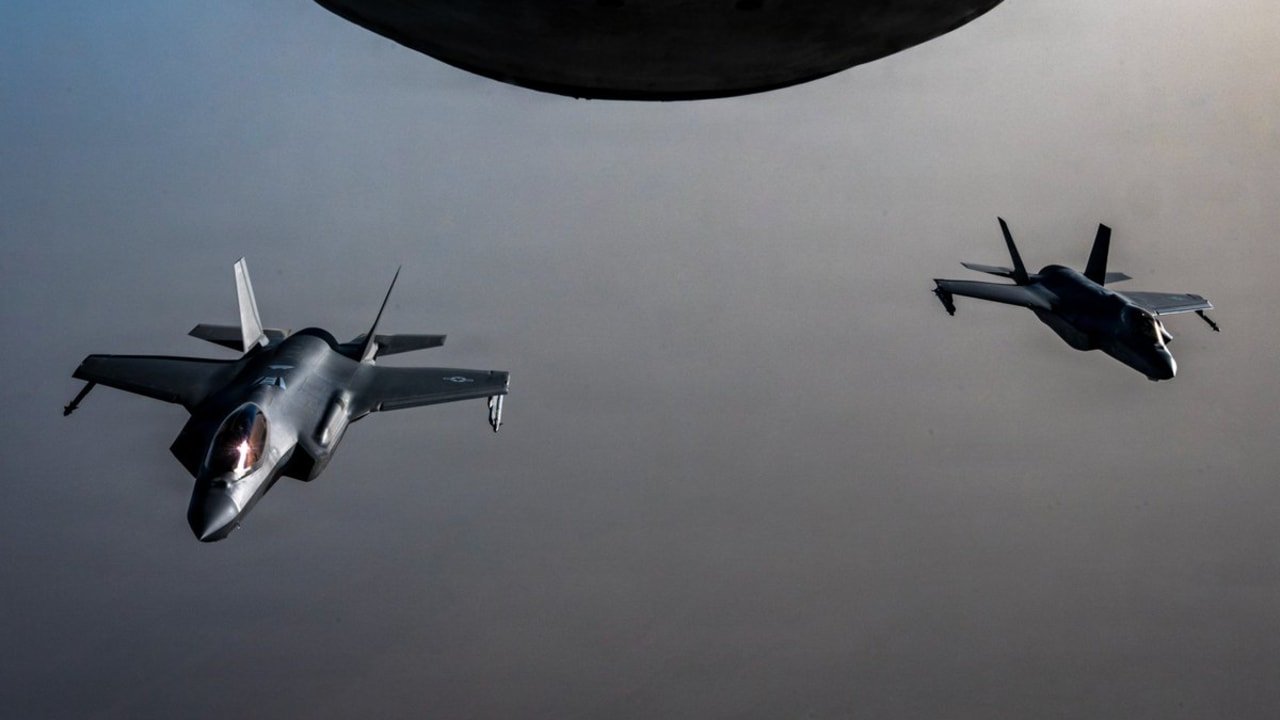

CENTCOM Targets Military Sites in Second Consecutive Night of Operations
The United States carried out a fresh round of military strikes against multiple targets in Iran on Wednesday after President Donald Trump authorized what US Central Command (CENTCOM) described as “self-defense strikes.”
According to CENTCOM, American forces used precision-guided munitions to target Iranian military surveillance systems, communications networks, and air defense installations. The US military stated that the facilities posed threats to American personnel operating in the region as well as commercial shipping transiting the Strait of Hormuz.
Shortly after the announcement, Iranian media reported explosions in western Tehran and the southern cities of Sirik and Minab. However, Iranian authorities did not immediately provide details regarding casualties or the extent of any damage.
CENTCOM defended the operation as a response to what it called continued Iranian aggression and emphasized that US forces remain prepared for further action if necessary.
Strait of Hormuz Dispute Deepens Amid Conflicting Claims
Meanwhile, tensions intensified over the strategic Strait of Hormuz following the strikes. Iranian military authorities reportedly announced the closure of the vital waterway and warned that vessels attempting to pass through it could face military action.
State media in Iran later claimed that naval forces had targeted two ships accused of violating restrictions in the area. However, CENTCOM rejected reports that the strait had been closed, insisting that commercial shipping traffic continued to move through the passage.
The latest operation followed comments by US Defense Secretary Pete Hegseth, who reportedly stated that Washington was prepared to strike Iran forcefully if required. He described the military action as an effort to shape conditions for a potential diplomatic agreement rather than reignite a broader conflict.
The strikes also marked the second consecutive night of US military operations against Iran. Earlier attacks targeted radar installations, air defense systems, and command facilities after a US Army Apache helicopter was reportedly brought down near the Strait of Hormuz.
As regional tensions continue to rise, international observers are closely monitoring developments due to the strategic importance of the waterway and its role in global energy markets.

