
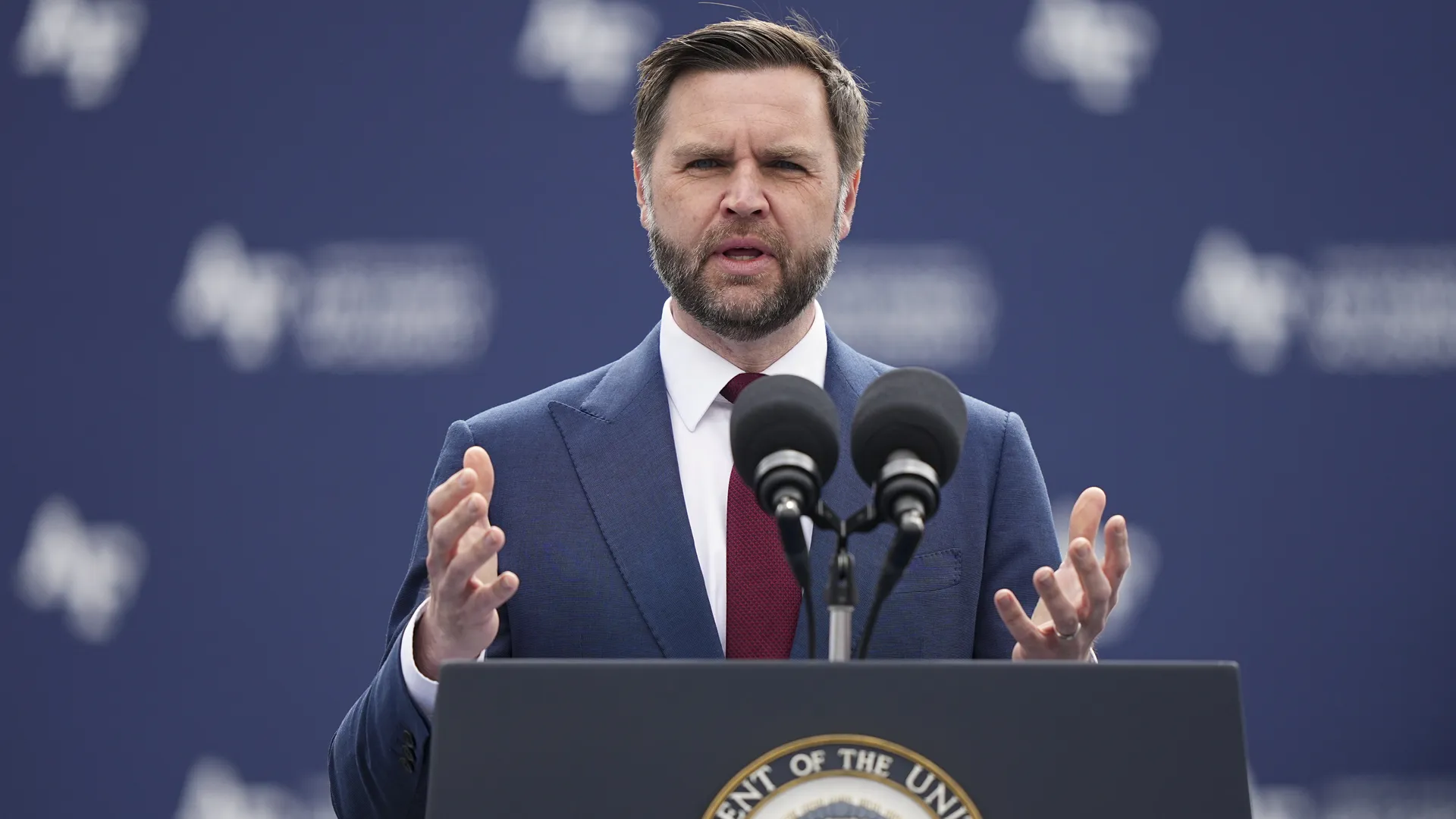

Diplomatic Process Encounters Fresh Delays
WASHINGTON/DUBAI: Efforts to advance the recently signed US-Iran peace agreement faced new uncertainty on Thursday after US Vice President JD Vance cancelled a planned trip to Switzerland, where negotiators were expected to begin discussions on implementing the 14-point Memorandum of Understanding (MoU).
A White House spokesperson said Vance and the American delegation had been prepared to travel once arrangements for the talks were finalised. However, officials cited logistical complications and evolving circumstances surrounding the negotiations.
Meanwhile, Iranian media reported that Tehran was seeking evidence of practical implementation of the agreement before participating in further discussions. Reports suggested Iranian negotiators had not confirmed plans to travel to Geneva, raising questions about the timing of the next phase of diplomacy.
The cancellation has intensified uncertainty surrounding a process designed to transform a fragile ceasefire into a more durable settlement after months of conflict.
Disputes Persist Over Key Security Issues
Although both governments recently signed the agreement, major differences remain unresolved. The MoU grants negotiators 60 days to pursue a broader settlement covering Iran’s nuclear programme, sanctions relief, regional security concerns and maritime issues.
Iranian Supreme Leader Mojtaba Khamenei said Tehran would reject what he described as excessive American demands during future negotiations. At the same time, US officials indicated they would continue seeking limits on Iran’s long-range missile capabilities and stronger guarantees regarding nuclear activities.
The agreement also includes provisions allowing Iran to continue supervised dilution of enriched uranium inside the country while maintaining inspections by the International Atomic Energy Agency.
Regional Tensions Continue Despite Agreement
Furthermore, concerns have emerged over continued hostilities in Lebanon. Israeli military operations against Hezbollah persisted despite provisions in the agreement calling for a permanent end to fighting and respect for regional sovereignty.
The situation has contributed to growing friction between Washington and Israel, with President Donald Trump publicly expressing dissatisfaction over the continuation of military operations in Lebanon.
Analysts say the success of the agreement now depends on whether both sides can overcome implementation disputes and maintain diplomatic momentum. Until then, uncertainty will continue to surround the future of negotiations and broader efforts to secure lasting regional stability.

