

Naval confrontation intensifies amid blockade dispute
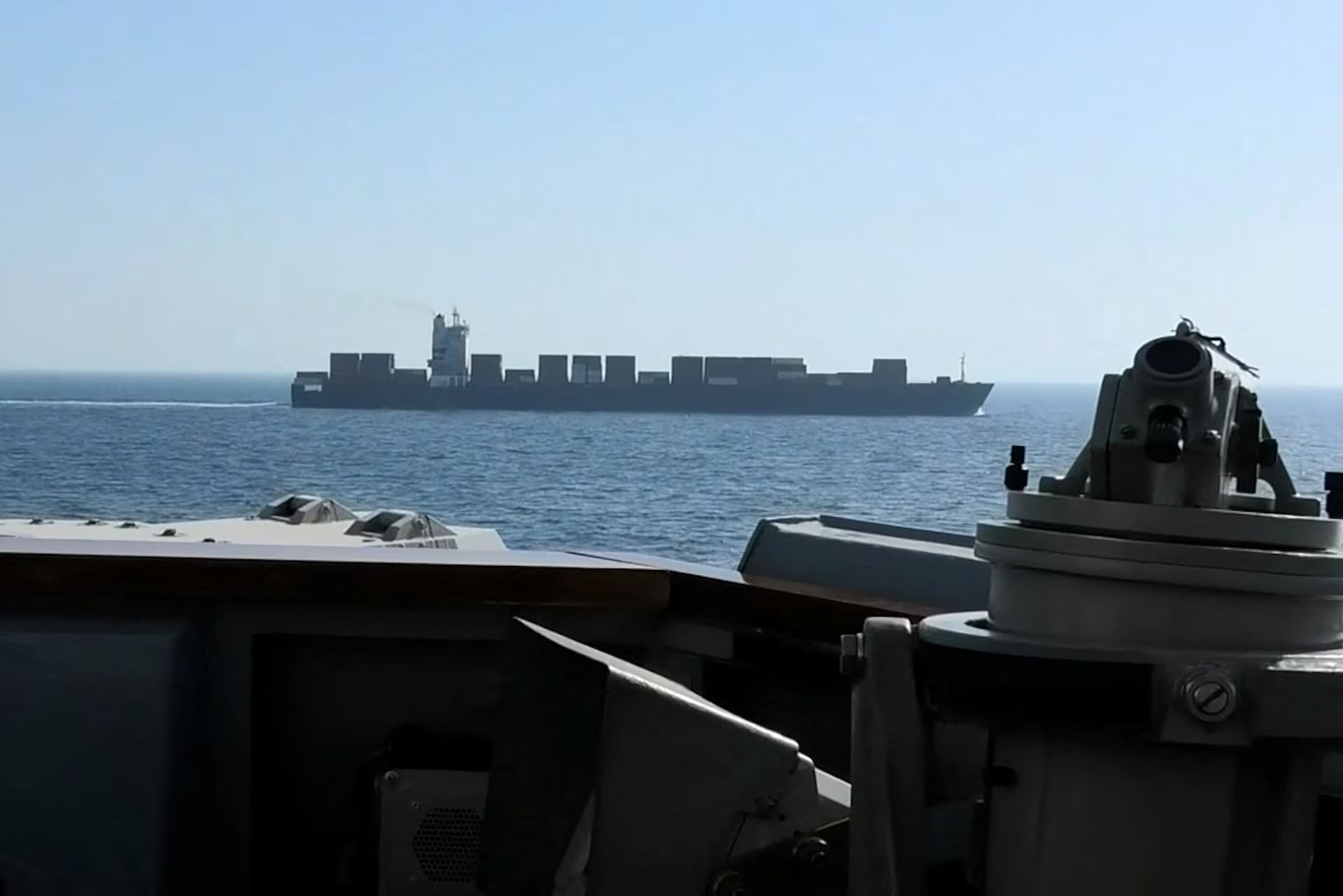
Concerns over the fragile ceasefire between the United States and Iran grew on Monday after Washington confirmed it had seized an Iranian cargo vessel accused of breaching its naval blockade. The US military stated that forces fired on the ship as it approached Bandar Abbas, later taking full control of the vessel. President Donald Trump also confirmed the seizure, adding that officials are inspecting its contents.
In response, Iran condemned the action and warned of retaliation. Iranian military officials said the vessel had departed from China and described the US move as “armed piracy.” Consequently, Tehran signaled that its armed forces would respond in the near future. Meanwhile, tensions at sea have continued to rise, particularly around the Strait of Hormuz, a critical route handling nearly one-fifth of global oil shipments.
Diplomatic efforts falter as economic fears rise
At the same time, diplomatic progress has stalled. Iran announced it would not participate in a second round of talks with the United States, citing ongoing blockades, shifting US positions, and what it called excessive demands. Iranian officials argued that restricting their oil exports while expecting regional security cooperation remains unacceptable.
Furthermore, President Trump warned that the United States could target Iran’s infrastructure if Tehran refuses proposed terms, escalating rhetoric between both sides. Iran, however, cautioned that any such action would trigger strikes on power and water facilities in neighboring Gulf states.
As a result, global markets reacted swiftly. Oil prices surged while stock markets showed volatility, reflecting fears of prolonged disruption in Gulf shipping lanes. Overall, analysts warn that continued escalation could undermine both regional stability and global economic confidence.

