
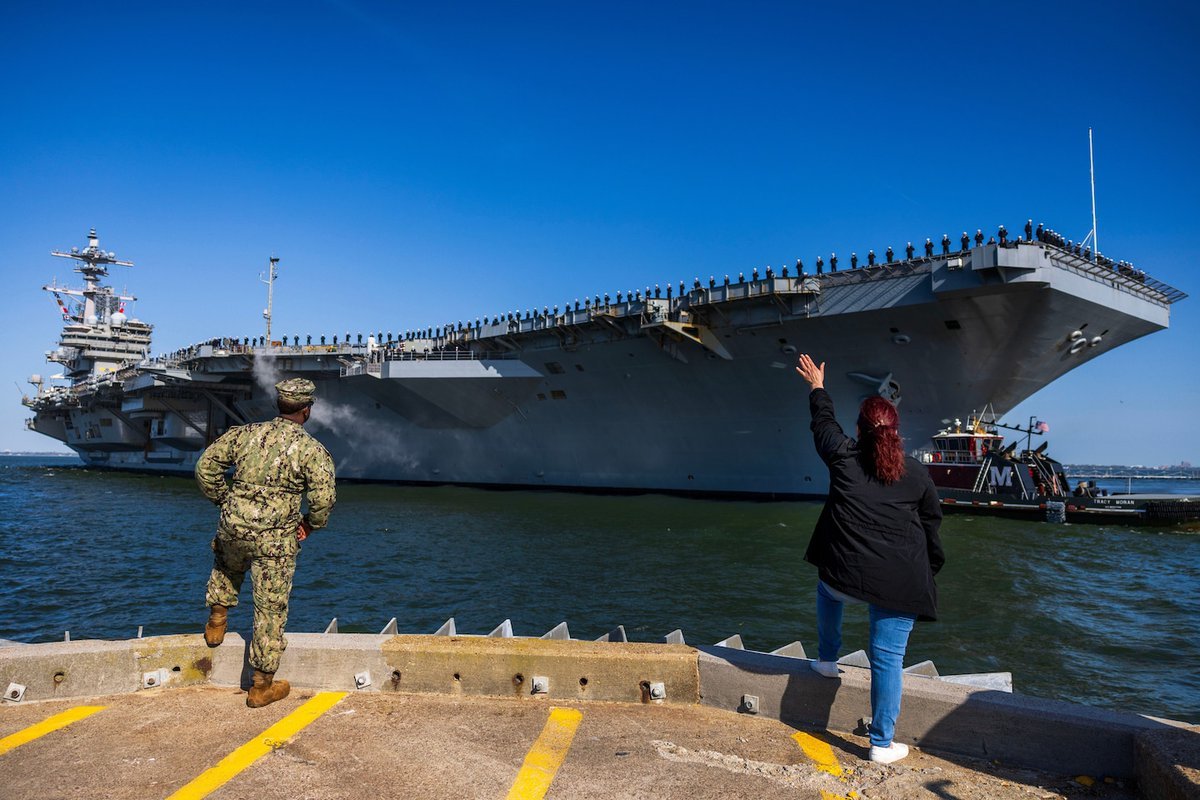

The United States is deploying thousands of additional troops to the Middle East, signaling an intensification of pressure on Iran as part of a broader strategic approach. The move aligns with a pattern of coercive diplomacy that combines military readiness with diplomatic engagement and economic measures.
Officials have outlined a structured approach in dealing with Tehran. First, Washington offers a diplomatic pathway to de-escalation while clearly presenting its demands. It then sets timelines for compliance, often leaving room for extensions depending on the progress of negotiations. Meanwhile, the latest troop deployments indicate a deliberate effort to strengthen military positioning in the region. As a result, analysts view the buildup as preparation for potential escalation if diplomatic efforts fail.
In parallel, the United States has continued to tighten economic pressure on Iran. Measures include enforcing a blockade, issuing warnings to international banks through Treasury channels, and allowing certain sanctions relief mechanisms to expire. Consequently, these actions aim to restrict Iran’s financial and trade activities while increasing leverage in negotiations.
Furthermore, officials emphasize that military and economic strategies are closely coordinated. While diplomacy remains an option, the presence of additional forces underscores readiness for decisive action. Analysts note that this combination of incentives and pressure seeks to compel compliance without immediate resort to conflict.
However, the approach carries risks. Experts warn that increasing military presence and economic restrictions could provoke retaliation, further destabilizing the region. Therefore, the situation remains highly sensitive as developments continue to unfold.

