
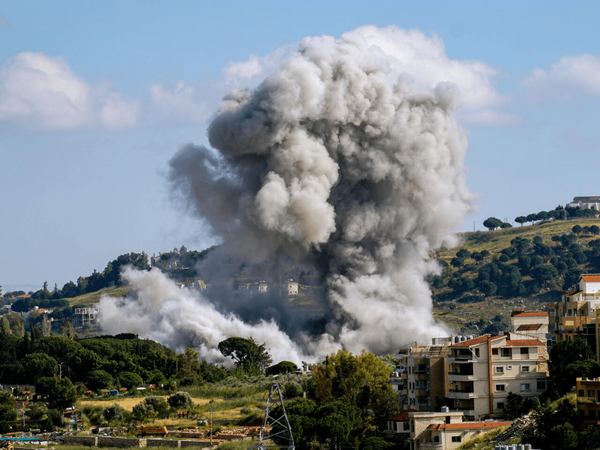

Satellite-based assessment shows widespread destruction as displacement and homelessness rise sharply
Israeli airstrikes have inflicted an estimated $1.38 billion in direct damage to homes and residential buildings in Southern Lebanon, according to a new assessment by the United Nations Development Programme.
The report, circulated on social media, said the damage estimate was based on a comparison of satellite images taken before and after the latest escalation in the conflict. According to the findings, 11,095 buildings in Southern Lebanon were completely destroyed, 2,242 were partially damaged, and another 5,219 sustained minor structural damage.
The scale of destruction has also generated an enormous volume of debris. UNDP estimated that the attacks have left behind around 3.1 million cubic metres of construction waste, adding another major burden to recovery and reconstruction efforts in the affected areas.
Housing destruction deepens humanitarian crisis in conflict-hit region
The damage to homes has intensified Lebanon’s humanitarian emergency, particularly in the south where repeated military operations have uprooted hundreds of thousands of people. Officials say many families have lost not only their homes but also access to essential services and livelihoods.
According to Lebanon’s Ministry of Social Affairs, military operations have displaced 963,497 people across the country, representing around 16 percent of the national population. The ministry also said more than 160,000 people have been left completely homeless as a result of the conflict.
Satellite analysis highlights scale of devastation
The UNDP assessment underlines the severity of the destruction by using remote sensing and before-and-after imagery to map structural damage across Southern Lebanon. The findings provide one of the clearest pictures so far of the physical impact of the strikes on civilian infrastructure.
The housing losses come amid broader concerns over Lebanon’s ability to cope with a prolonged conflict, as already stretched state institutions face rising pressure from displacement, reconstruction costs and the need for emergency relief. With thousands of buildings destroyed or damaged, the report is likely to add urgency to calls for humanitarian support, rebuilding assistance and a wider diplomatic effort to prevent further escalation in the region.

