

Humanitarian operations face growing security challenges
GAZA: A senior United Nations official has accused armed individuals of disrupting humanitarian aid operations in the Gaza Strip, warning that repeated incidents are placing relief workers at risk and further complicating the delivery of life-saving assistance to civilians.
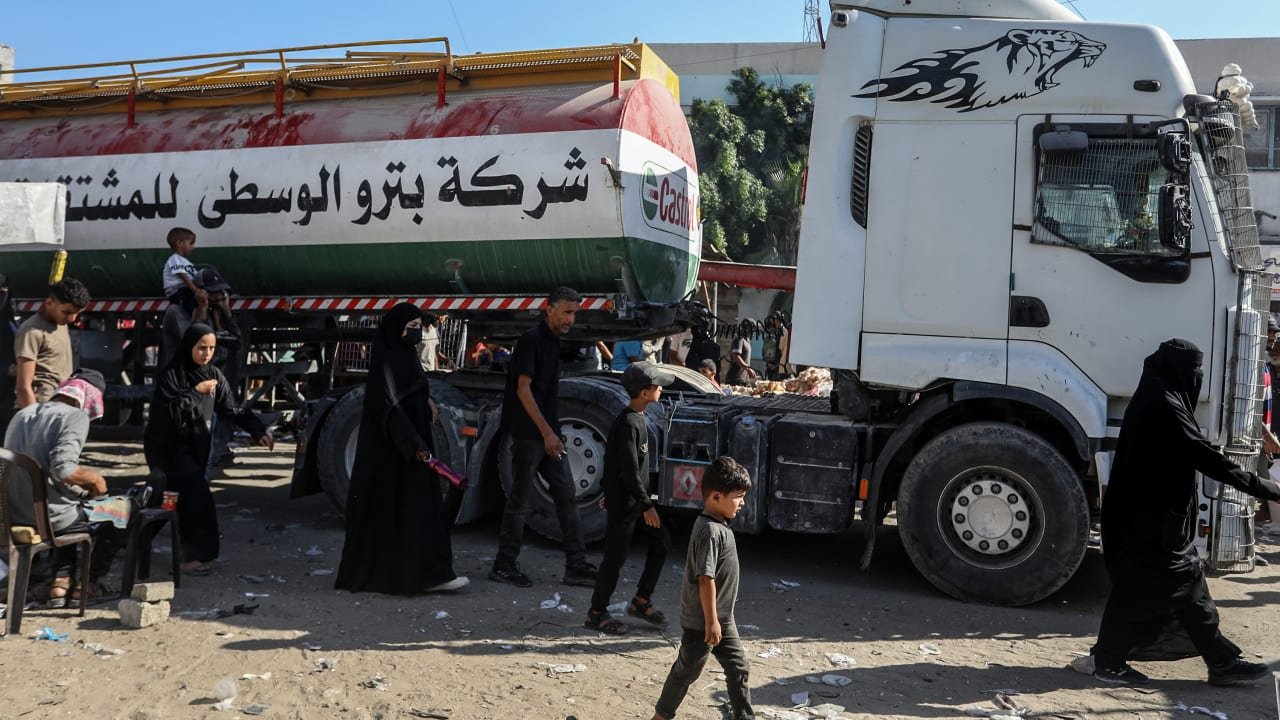
Ramiz Alakbarov, the UN Deputy Special Coordinator for the Middle East Peace Process and Humanitarian Coordinator for the Palestinian territories, said aid operations were temporarily suspended on Saturday after armed men entered a food distribution site in northern Gaza and assaulted two truck drivers at a World Food Programme (WFP) warehouse.
According to Alakbarov, the incident reflects a broader pattern of intimidation, violence, and interference affecting humanitarian missions. He said such actions threaten aid workers, obstruct relief deliveries, and make it increasingly difficult for humanitarian organizations to operate while Gaza’s civilian population continues to face severe humanitarian conditions.
The UN official stressed that attacks or interference involving humanitarian operations remain unacceptable and undermine ongoing efforts to provide critical assistance across the conflict-affected territory.
Hamas disputes UN account of incident
Meanwhile, Hamas rejected the allegations on Monday, disputing the UN’s description of the events.
In a statement, Hamas’ media office said police forces were conducting a law enforcement operation after receiving reports that cigarettes and mobile phone components had been concealed inside humanitarian aid packages.
The group insisted the operation was aimed at preventing smuggling rather than disrupting relief efforts. It further denied that the incident involved a raid, attack, or obstruction at the World Food Programme distribution center in the Abu Rashid area of the Jabalia refugee camp.
The differing accounts emerge as humanitarian agencies continue to warn about worsening conditions in Gaza, where aid organizations face significant logistical and security challenges while attempting to deliver food, medical supplies, and other essential assistance to civilians affected by the ongoing conflict.

