
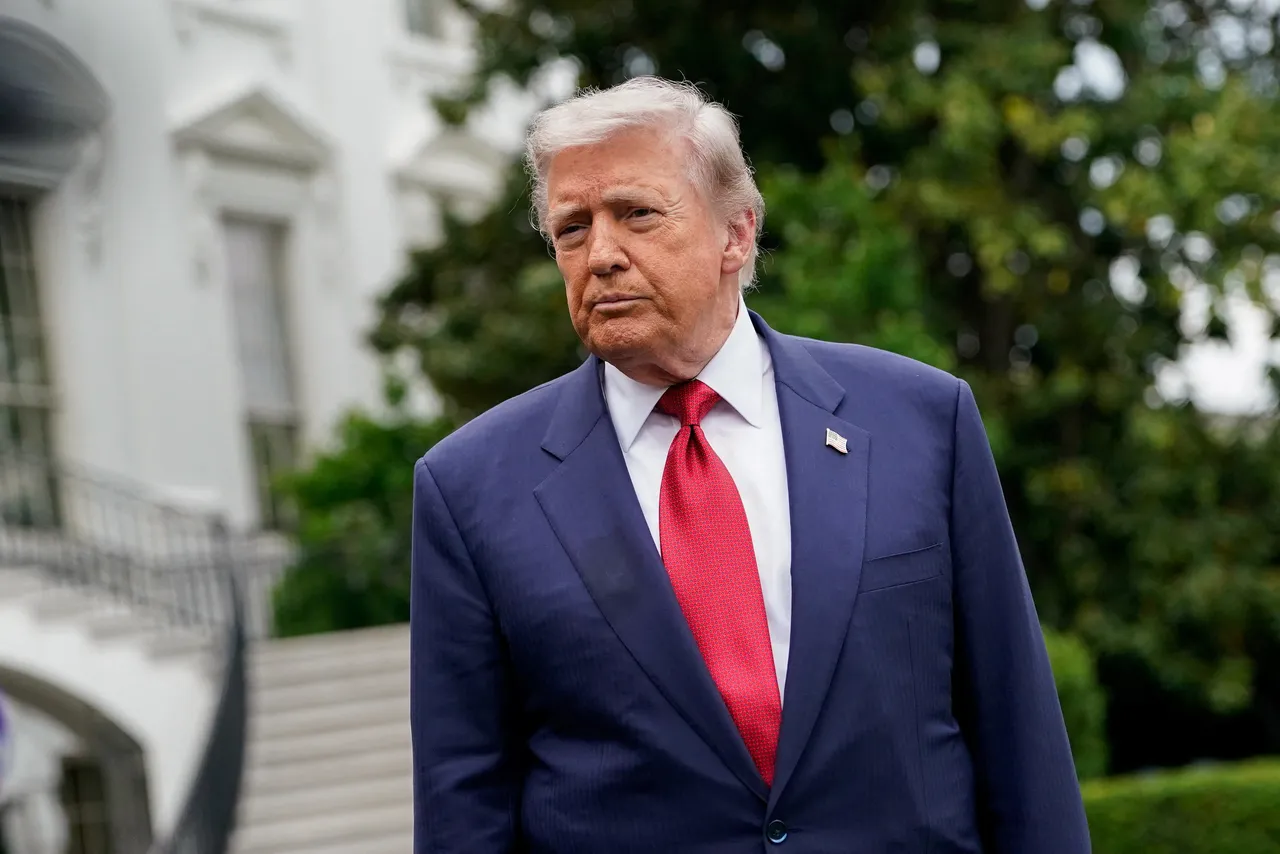

US President Donald Trump has said that the Iran ceasefire is now “on life support” after he rejected Tehran’s response to a US peace proposal, a development that has significantly increased concerns over a possible return to open conflict in the region.
Trump Rejects Iran’s Peace Response
President Trump strongly dismissed Iran’s reply to the proposed framework, describing it in highly critical terms while signaling deep frustration with the negotiation process.
He said, “I would call it the weakest right now, after reading that piece of garbage they sent us. I didn’t even finish reading it.” This statement reflected a clear breakdown in diplomatic tone, as he further suggested that Iran’s position lacked seriousness and practical intent.
Iran Defends Its Position and Demands
Iran responded by defending its stance and insisting that its demands remain legitimate, arguing that its conditions are tied to ending hostilities and restoring economic stability.
Foreign Ministry spokesperson Esmaeil Baghaei stated, “Our demand is legitimate: demanding an end to the war, lifting the (US) blockade and piracy, and releasing Iranian assets that have been unjustly frozen in banks due to US pressure,” while also adding, “Safe passage through the Strait of Hormuz and establishing security in the region and Lebanon were other demands of Iran, which are considered a generous and responsible offer.”
Ceasefire Under Severe Pressure
The fragile ceasefire has now entered a critical phase as both sides harden their positions, and Trump himself described the agreement as “on life support,” highlighting how quickly the situation has deteriorated.
The conflict, which has already stretched over ten weeks, continues to disrupt regional stability and global energy flows, making diplomatic resolution increasingly difficult.
Strait of Hormuz Becomes Strategic Flashpoint
The Strait of Hormuz has emerged as one of the most sensitive pressure points in the conflict, since it previously carried nearly one-fifth of global oil and liquefied natural gas before disruptions began.
Shipping activity has now dropped sharply, and limited tanker movement reflects rising security concerns, while some vessels have even turned off tracking systems to avoid potential threats in contested waters.
Oil Prices React to Supply Fears
Global energy markets have responded quickly to the instability, with Brent crude rising by 2.7 percent to around $104 per barrel as traders priced in continued supply risks. At the same time, production cuts and shipping disruptions have pushed oil output to multi-decade lows, further tightening global supply conditions and increasing market volatility.
Diplomatic Efforts Continue Despite Tensions
Despite rising political tensions, diplomatic engagement continues through multiple regional channels, with countries attempting to prevent further escalation and maintain limited stability.
Turkey has been actively engaging with the United States, Iran, and Pakistan, while also preparing discussions focused on maritime safety and navigation security in sensitive waterways.
US Faces Challenges in Building Consensus
The United States is facing difficulties in securing unified international support, as several NATO allies have declined to participate in naval operations without a formal peace agreement in place. This lack of coordination has limited efforts to stabilize shipping routes, while domestic pressure is also increasing due to rising fuel prices affecting voters ahead of national elections.
China’s Role Gains Diplomatic Attention
China is expected to play a role in upcoming discussions as President Trump prepares for talks in Beijing, where the Iran situation will be a key topic.
Washington has urged Beijing to use its influence on Tehran, while Iranian officials have suggested that China may also challenge US policy in the Gulf, with Foreign Ministry spokesperson Esmaeil Baghaei stating that China understands “the consequences of the US’s illegal and bullying actions on regional peace and security.”
Regional Security Concerns Remain High
The broader conflict continues to overlap with regional security concerns, particularly involving Israel, where leadership has stated that key strategic objectives remain unresolved.
Prime Minister Benjamin Netanyahu has indicated that while diplomacy remains the preferred option, military pressure has not been fully ruled out, keeping uncertainty high across multiple fronts.
Outlook Remains Uncertain
The situation remains highly unstable as diplomatic efforts struggle to regain momentum and ceasefire conditions weaken under political and military pressure.
With energy markets reacting sharply and regional tensions still unresolved, the Iran ceasefire now stands in a fragile position, while global attention remains fixed on whether diplomacy can prevent further escalation.

