
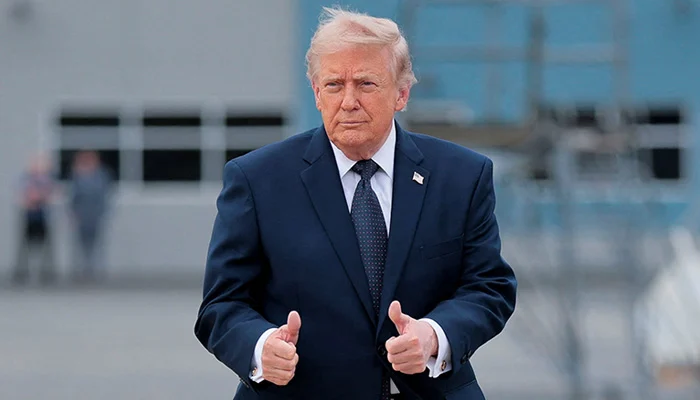

US President Donald Trump has stated that a framework for a peace agreement with Iran is “largely negotiated,” signaling major progress in ongoing diplomatic efforts involving global and regional mediators. The announcement comes amid continued negotiations aimed at stabilizing energy routes and reducing regional tensions.
The proposed deal is reported to include provisions for reopening the Strait of Hormuz, one of the world’s most critical oil shipping corridors. The waterway was severely disrupted after the conflict escalated earlier this year, causing instability in global energy markets.
Meanwhile, Pakistan has played a key mediating role in facilitating dialogue between the United States and Iran, with reports indicating encouraging progress in discussions held in Tehran.
Pakistan-Mediated Talks Show Progress in Iran-US Negotiations
According to Pakistan’s military media wing Inter-Services Public Relations, recent high-level discussions involving Iran’s leadership and Pakistan’s top military officials produced “encouraging progress” toward a final understanding.
Asim Munir held meetings in Tehran with senior Iranian officials, including President Masoud Pezeshkian and parliamentary leadership. These talks focused on reducing tensions and exploring a structured path toward ending the ongoing conflict.
Pakistani diplomatic sources stated that the emerging framework is comprehensive and includes phased steps toward peace. These steps reportedly involve ending active hostilities, reopening the Strait of Hormuz, and initiating extended negotiations for a broader settlement.
Sources also indicated that the plan may include a 30-day negotiation window to finalize long-term agreements, depending on initial implementation progress.
Pakistan’s role has been described as crucial in narrowing differences between both sides after months of escalation that disrupted trade routes and energy supply chains across the region.
Trump Signals Final Deal Discussions as Global Leaders Engage
President Trump confirmed that final details of the agreement are still being discussed and could be announced soon. He also suggested that the emerging deal could ensure reopening of the Strait of Hormuz, restoring stability to global oil transport.
Trump said he held phone discussions with leaders from Saudi Arabia, Qatar, the United Arab Emirates, Jordan, Egypt, Türkiye, and Pakistan, all of whom reportedly supported continued diplomatic efforts.
US officials have emphasized key conditions for any agreement, including restrictions on Iran’s nuclear program and guaranteed access to international shipping routes without disruption.
US Secretary of State Marco Rubio said limited progress has been made but stressed that negotiations are ongoing. He added that developments could emerge within days depending on diplomatic outcomes.
Iran Challenges US Claims as Regional Tensions Remain
Iranian officials have pushed back against some US claims, calling certain interpretations of the agreement “inconsistent with reality.” Tehran maintains that it seeks supervised management of strategic waterways and lifting of economic restrictions.
Iran has also demanded an end to sanctions and guarantees for its civilian nuclear program under international oversight.
Despite ongoing negotiations, Iranian leaders have warned that military capabilities remain intact and that any renewed conflict would trigger a strong response.
Officials involved in the talks say the current phase is delicate, with both diplomatic breakthroughs and unresolved disputes still on the table.
Observers believe that if successful, the agreement could reshape regional security dynamics and stabilize one of the world’s most sensitive geopolitical flashpoints.

