
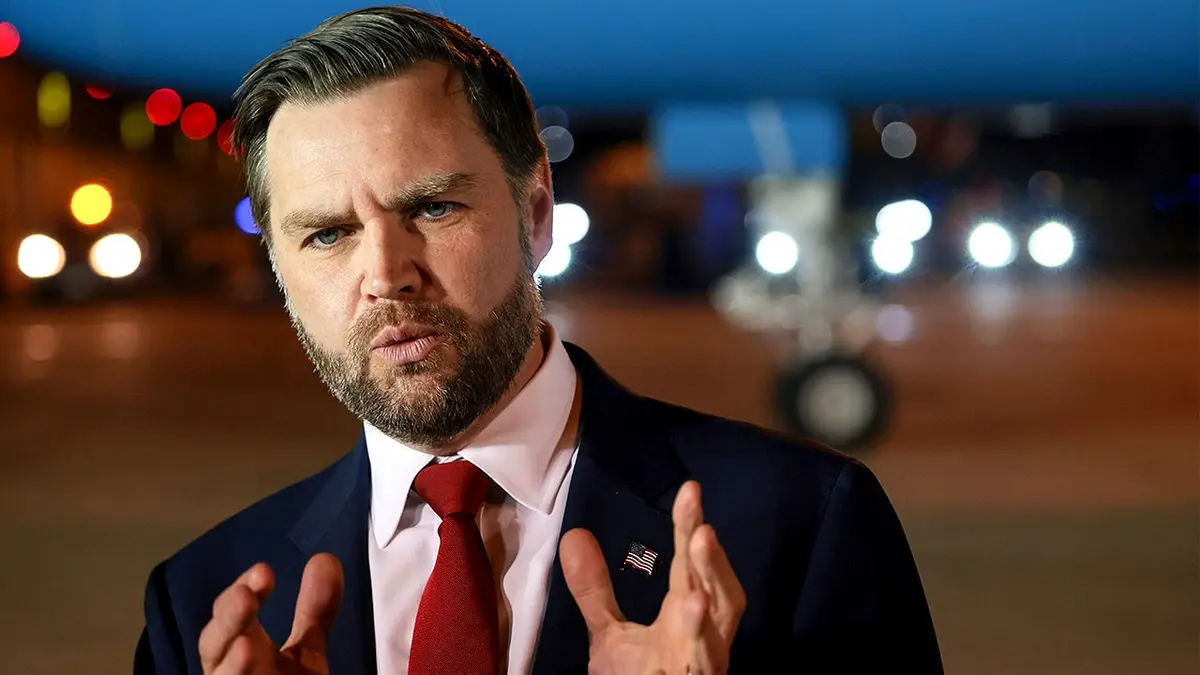

The United States is pursuing a broader and more ambitious agreement with Iran, according to Vice President JD Vance. He said President Donald Trump is aiming for a “grand bargain” rather than a limited nuclear deal.
Vance made the remarks during an event in Georgia. He said ongoing diplomatic efforts are tied to a fragile ceasefire that has held for nearly a week. According to him, the administration sees this moment as a chance for wider negotiations.
The comments come as talks continue between Washington and Tehran. However, major disagreements remain over Iran’s nuclear program and regional security concerns.
Trump Seeks Broad Agreement, Not Limited Nuclear Deal
Vance said President Donald Trump is not interested in a narrow or temporary agreement. Instead, he wants a comprehensive settlement with long-term impact.
He explained that Trump’s approach is simple. If Iran behaves like a normal country, it will be treated like one economically. This includes potential relief and reintegration into global systems.
The goal, according to Vance, is not just short-term stability. It is a full restructuring of relations between the two countries.
He emphasized that the ceasefire currently in place is still holding. However, he warned that the situation remains fragile and could change quickly.
Nuclear Concerns Remain the Core Issue in Negotiations
Despite diplomatic progress, a final deal has not been reached. Vance said the main obstacle is Iran’s nuclear ambitions.
The US insists that any agreement must ensure Iran does not develop nuclear weapons. This remains a non-negotiable condition for Washington.
The US and its allies, including Israel, accuse Iran of maintaining nuclear and missile programs that threaten regional stability. Iran, however, continues to deny these claims.
Tehran insists its nuclear program is for peaceful purposes. It maintains that it does not seek to develop nuclear weapons.
Recent talks held in Pakistan did not produce an agreement. These discussions were part of wider diplomatic efforts to reduce tensions following past military escalation in the region.
Deep Mistrust Slows Progress but Talks Continue
Vance acknowledged that trust between the two sides remains extremely low. He said decades of tension cannot be resolved quickly.
He described the situation as complex but not impossible. According to him, both sides have shown interest in reaching an agreement, even if differences remain significant.
The US delegation has been instructed to continue negotiations in good faith. Officials believe sustained dialogue could eventually lead to progress.
Vance also expressed optimism about the potential global benefits of a deal. He said successful negotiations would improve security and economic stability worldwide.
President Trump has also signaled hope for renewed direct talks. He suggested that discussions could restart soon in Pakistan, although no official timeline has been confirmed.
Outlook for Future Negotiations
Diplomatic efforts are expected to continue in the coming weeks. Both sides are under pressure to reduce tensions and avoid further escalation.
However, major gaps remain in expectations. The nuclear issue continues to dominate discussions.
Despite challenges, US officials insist that dialogue is the only path forward. The coming phase of negotiations will test whether a broader agreement is possible.

