
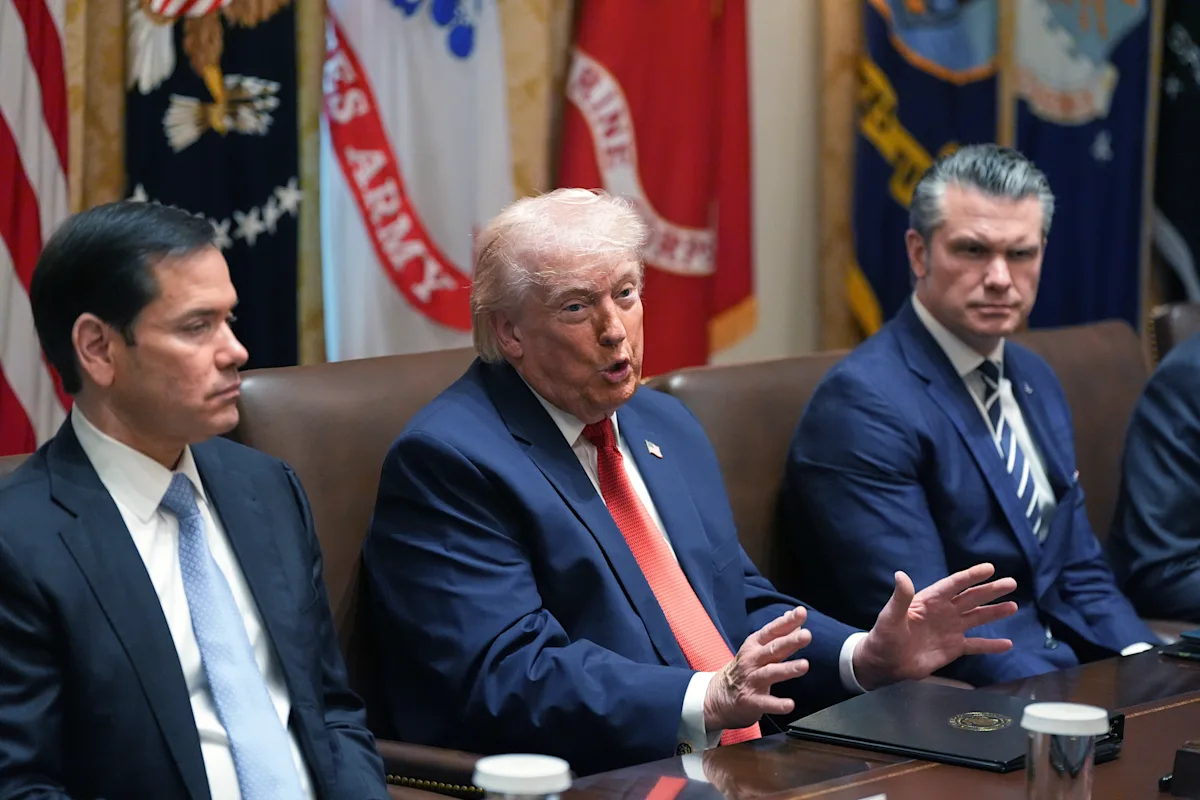

The United States is preparing for a critical national security discussion. Donald Trump is set to convene a Situation Room meeting on Iran. The session will bring together top defense and foreign policy officials. The goal is to assess rising tensions with Tehran and decide the next course of action.
The meeting comes at a fragile moment. Diplomatic efforts remain stalled. Military activity in the Middle East is increasing rapidly. Officials say the situation could shift quickly depending on decisions taken in Washington.
Reports from Axios and journalist Barak Ravid indicate that negotiations with Iran have reached a deadlock. Internal divisions within Iranian leadership are complicating progress. Disagreements over nuclear concessions remain a key obstacle.
Policy Options Under Review as Talks Stall
The Situation Room discussion will focus on multiple strategic options. The White House is weighing whether to increase military pressure. Another option is to maintain the current blockade and defensive posture. A third path involves accepting a limited deal.
Such a deal would focus on reopening the Strait of Hormuz. This would ease global energy concerns. However, it would leave broader nuclear tensions unresolved.
Officials are also reviewing a new proposal. The plan was reportedly mediated by Pakistan. It aims to reduce immediate risks while postponing complex nuclear negotiations.
Despite these efforts, uncertainty remains high. The lack of trust between both sides continues to block progress.
Largest Military Deployment Since Iraq War Raises Stakes
The diplomatic talks are unfolding alongside a major military buildup. The United States has deployed significant forces to the region. This is one of the largest such deployments since the Iraq War.
Three aircraft carriers are now operating in the Middle East. These include the USS Abraham Lincoln, USS Gerald R. Ford, and USS George H.W. Bush.
Each carrier group includes multiple warships. Together, they form a powerful strike force. Estimates suggest hundreds of missile systems are in place. More than 200 aircraft are also deployed. Submarines are operating beneath the surface.
Military analysts say this level of force is a clear signal. It shows readiness for rapid escalation if needed. The buildup is also intended to strengthen the US position in negotiations.
Additional activity has been observed across the region. Fuel tanker operations are increasing at bases in Jordan and Saudi Arabia. Reports indicate troop movements toward Kuwait. These steps suggest preparation for a broader conflict if diplomacy fails.
Strategic Pressure Meets Last-Ditch Diplomacy
The combination of diplomacy and military pressure reflects a dual strategy. Washington is keeping all options open. It aims to push Iran toward a deal while preparing for worst-case scenarios.
The Situation Room meeting is expected to play a decisive role. It will shape immediate US policy toward Iran. The outcome could determine whether tensions ease or escalate further.
Global attention is now focused on Washington. The decisions made in this meeting may influence energy markets, regional stability, and international security.
The coming days will be critical. A breakthrough could reduce tensions. Failure could push the conflict into a more dangerous phase.

