
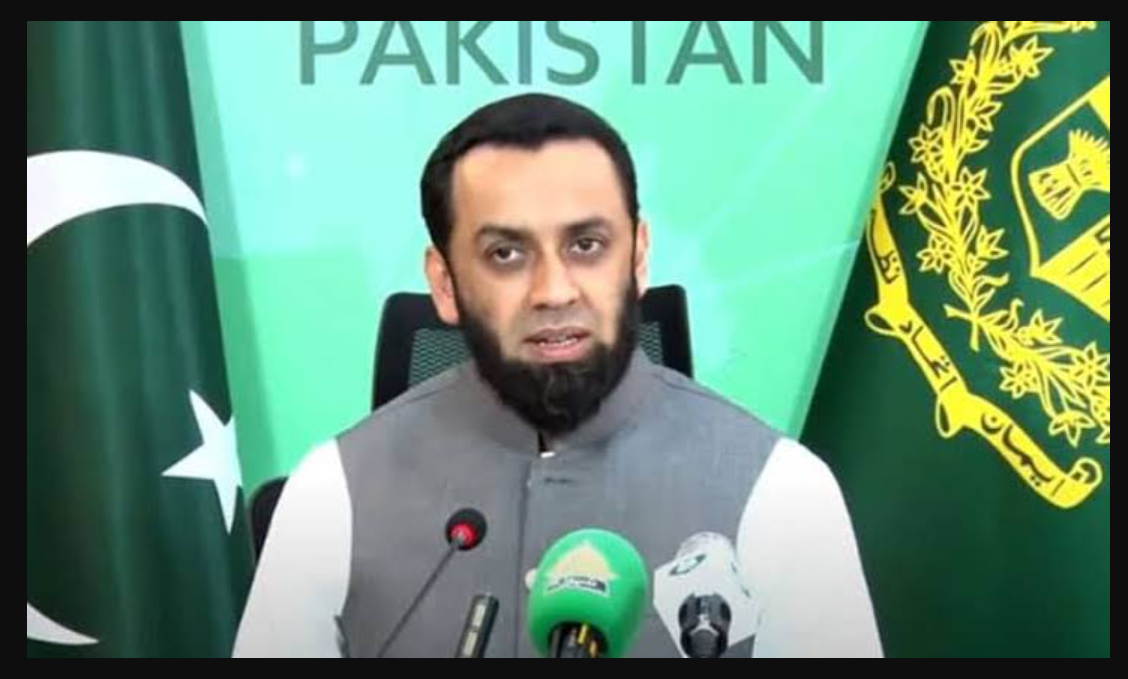

ISLAMABAD: Information Minister Attaullah Tarar has called on Afghanistan’s interim government to move away from what he described as a “militant mindset.” He said that this approach remains a major source of tensions between Pakistan and Afghanistan.
Speaking at a seminar in Islamabad on Afghanistan and prospects for peace, Tarar described relations between the neighbouring countries as a complex and longstanding challenge requiring a durable and sustainable solution.
He said Pakistan and Afghanistan would remain neighbours and shared historical, social and economic links despite years of strained relations. However, he noted that the two countries had experienced a turbulent past, while cross-border security concerns continued to affect bilateral ties.
“The interim Afghan government needs to move out of its militant mindset into a mindset of a statesman or state,” Tarar said, stressing the importance of adopting a state-to-state approach to regional issues.
The minister reiterated Pakistan’s stated commitment to peaceful coexistence and questioned whether sufficient opportunities had been provided for diplomacy to succeed.
He said the key issue was not whether peace was possible, but whether there was sufficient political will on both sides to achieve it.
According to Tarar, Pakistan had repeatedly pursued dialogue as a means of resolving outstanding disputes. He said Islamabad had sent several high-level delegations to Afghanistan for discussions with the interim authorities.
He also pointed to the involvement of friendly countries in facilitating dialogue between the two neighbours. Qatar, Türkiye and China have hosted talks aimed at reducing tensions and encouraging communication between Pakistan and Afghanistan.
Tarar said Islamabad remained interested in finding a peaceful and lasting solution to the challenges affecting bilateral relations. However, he stressed that meaningful progress would require a change in approach and greater commitment to dialogue.
The minister also highlighted Afghanistan’s economic potential and its geographic importance for regional connectivity. He said lasting peace could create opportunities for expanding trade routes linking Central Asian countries with Pakistan through Afghan territory.
According to Tarar, improved regional connectivity could benefit both Pakistan and Afghanistan by facilitating trade, investment and economic cooperation.
He maintained that peace and stability in Afghanistan would not only improve relations between the two neighbours but could also open new opportunities for regional economic development.
Tarar’s remarks came amid continued tensions between Islamabad and Kabul over security concerns and allegations of cross-border militancy. Pakistan has repeatedly raised concerns about militant activity allegedly originating from Afghan territory, while the Afghan authorities have rejected accusations that they are responsible for attacks inside Pakistan.
The minister stressed that Pakistan and Afghanistan would continue to share a border and multiple forms of interaction, making sustained engagement important for addressing their disputes. He said the future of bilateral relations depended on creating conditions in which dialogue, regional connectivity and peaceful coexistence could develop alongside efforts to address security concerns.
For the latest updates, visit and follow The Truth International website (www.thetruthinternational.com), subscribe to the YouTube channel, and follow the Instagram and Facebook pages.

