
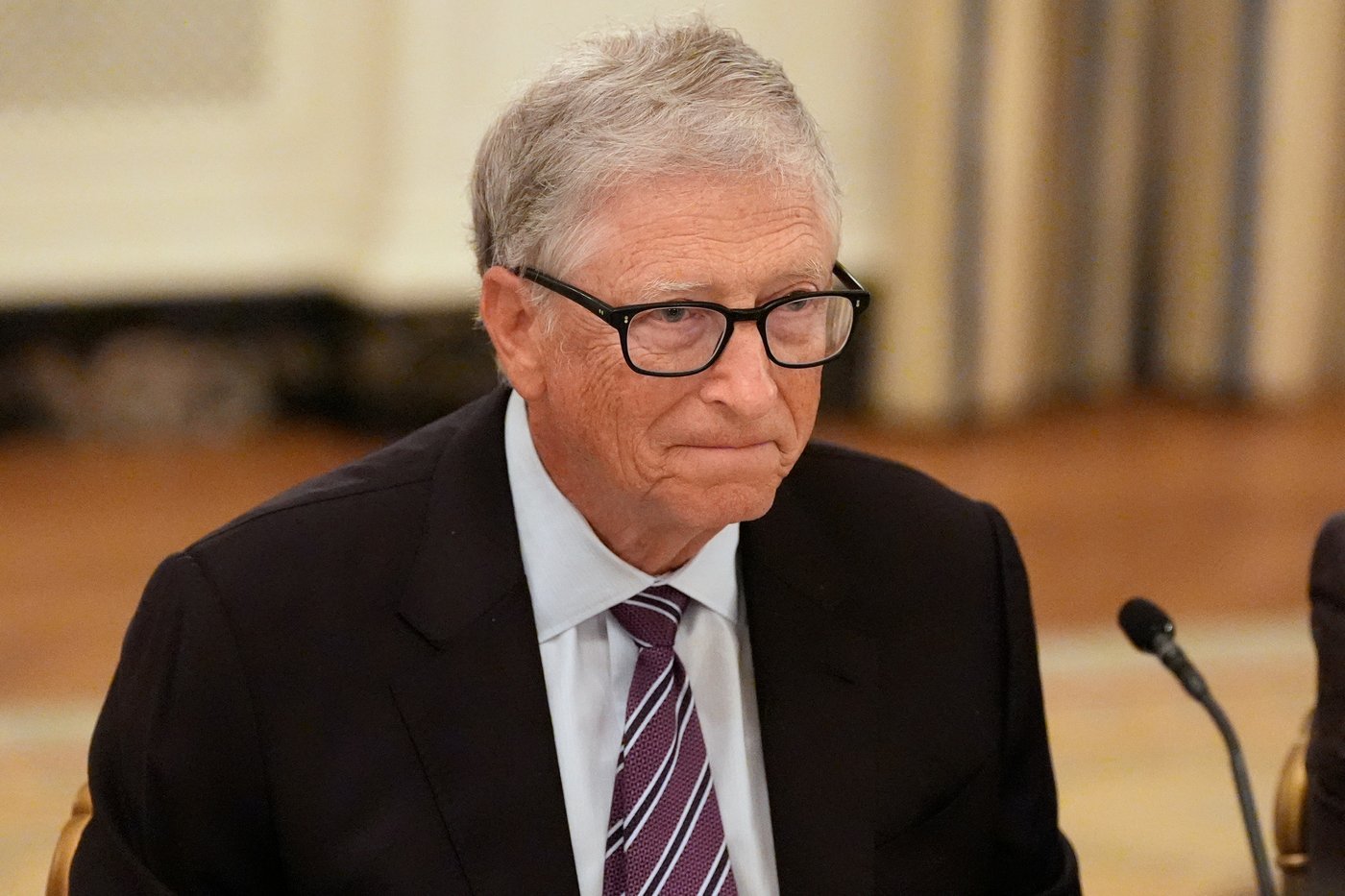

Microsoft co-founder Bill Gates has warned that artificial intelligence could bring nearly two decades of significant disruption, reshaping employment, economies and everyday life. He believes the rapid development of AI will create major opportunities while also introducing challenges that governments, businesses and communities must address.
Gates has repeatedly highlighted AI’s potential to transform industries, improve productivity and expand access to essential services. However, he has also cautioned that societies must prepare for the consequences of increasingly capable technologies.
AI Advancement Raises Concerns About Jobs and Society
Artificial intelligence continues to reshape workplaces by automating repetitive tasks and assisting professionals with complex responsibilities. Consequently, some industries could experience significant changes as companies adopt AI-powered systems to improve efficiency and reduce operating costs.
Gates has argued that technological progress often creates uncertainty before societies adjust to new economic realities. Nevertheless, the speed of AI development could make this transition particularly challenging for workers who lack access to relevant training and education.
Moreover, businesses may need to reconsider traditional job roles as AI tools become more capable. Employees could face pressure to develop new skills, while governments may need to strengthen education programmes and workforce support systems.
Bill Gates Highlights Need for Responsible AI Development
Gates has also emphasised the importance of using artificial intelligence to address global challenges. AI could support medical research, improve education, accelerate scientific discoveries and help communities respond to complex environmental problems.
However, these benefits will depend on responsible development and effective oversight. Experts continue to raise concerns about misinformation, data privacy, cybersecurity and the concentration of technological power among a small number of companies.
Furthermore, unequal access to AI could widen existing economic disparities if wealthy countries and businesses benefit more quickly than underserved communities. Policymakers therefore face pressure to establish safeguards while allowing innovation to continue.
Gates has encouraged governments, researchers and technology companies to prepare for the changes ahead. Investments in education, digital skills and responsible AI governance could help societies manage the transition more effectively.
As artificial intelligence advances, its long-term effects will depend on how institutions respond to emerging risks and opportunities. The coming years could prove crucial in determining whether AI delivers broad social benefits or deepens existing inequalities.
For the latest updates, visit and follow The Truth International website (www.thetruthinternational.com) and subscribe to the YouTube Channel.

