

Young Patient Undergoes Heart Surgery for Congenital Condition
A serious medical negligence case has emerged from Faisalabad, where a surgical instrument was allegedly left inside a patient’s chest during an open-heart procedure.
The patient, 22-year-old Saqlain from Toba Tek Singh, was undergoing surgery to treat a congenital heart defect. Reports state that the operation was performed on 4 April at a cardiology institute by cardiologist Dr Zaigham Rasool.
The procedure was initially believed to have been successful. However, complications later raised serious concerns about the surgery.
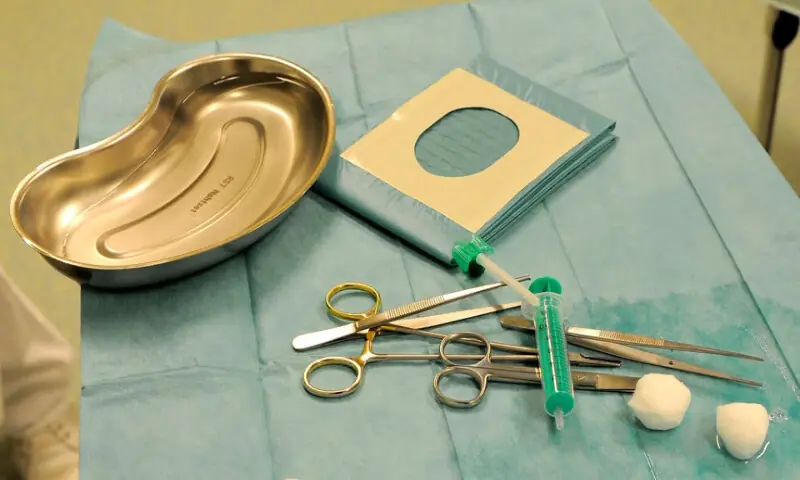
According to initial reports, a surgical tool known as forceps was allegedly left inside the patient’s chest cavity during the operation. The error was not detected immediately after surgery.
The incident highlights growing concerns about operating room safety standards and procedural checks in major medical facilities.
Severe Pain Leads to Discovery of Surgical Instrument
Weeks after the surgery, the patient began experiencing severe chest pain. His condition worsened, prompting further medical examination.
An X-ray was conducted, which revealed the shocking presence of a surgical instrument inside his chest. The discovery confirmed fears of a serious medical error during the earlier operation.
Doctors later carried out a second surgical procedure on 23 April to remove the foreign object. The follow-up surgery was reportedly successful in extracting the forceps.
Medical experts say such incidents are rare but highly dangerous. Retained surgical instruments can lead to infections, internal damage, and life-threatening complications if not detected early.
The case has raised questions about surgical protocols, instrument tracking systems, and post-operation safety checks in hospitals.
Inquiry Launched as Hospital Takes Action Against Staff
Following the incident, hospital administration at the Faisalabad Institute of Cardiology launched an internal investigation. Officials began reviewing surgical procedures and staff responsibilities linked to the case.
According to hospital management, the issue came to light after the patient developed complications and returned for further treatment. This prompted a formal inquiry into what went wrong during the operation.
Preliminary findings suggest that surgical staff failed to properly count instruments after the procedure. This lapse is believed to have contributed directly to the incident.
Hospital authorities stated that accountability measures have been taken against the staff involved. Both nurses responsible for instrument counting were removed from their positions and placed under administrative review.
Officials emphasized that strict procedures are in place for surgical operations, including mandatory instrument counting before and after procedures. However, the failure to follow these protocols led to the serious oversight.
Medical authorities are continuing their investigation to determine whether further disciplinary or legal action is required. The case has also renewed focus on improving hospital safety standards and ensuring strict compliance with surgical guidelines.

