
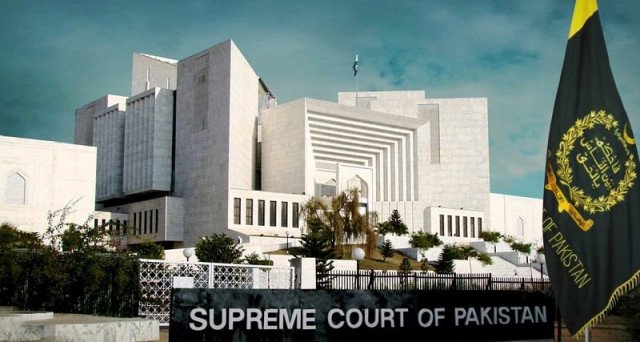

Pakistan’s Supreme Court has upheld the death sentence of a man convicted of murdering a woman after she rejected his marriage proposal. The court dismissed Muhammad Kamran’s review petition, refusing to reduce his punishment to life imprisonment.
A three-member bench led by Justice Muhammad Hashim Khan Kakar ruled that a woman’s refusal to marry cannot justify murder or serve as a mitigating factor. The judgment also criticised patriarchal customs that treat women’s choices as challenges to male honour.
Court Rejects Plea to Reduce Death Sentence
Kamran sought a reduction in his sentence, arguing that he had already spent around 14 years in prison. However, the Supreme Court found no grounds to commute the death penalty.
The case concerned the murder of Maimoona Shaheen after she and her family rejected Kamran’s marriage proposal. The court treated the killing as a grave offence that offered no basis for leniency.
In its nine-page judgment, the bench said wounded pride, custom or claims of honour could not excuse violence against women.
Supreme Court Defends Women’s Right to Choose
The judgment stressed that marriage requires the free consent of both individuals. Every adult has the right to decide whether, when and whom to marry.
The judges warned that patriarchal attitudes can turn rejection into a perceived attack on male honour. Such thinking can contribute to stalking, home invasions, acid attacks and killings of women.
The court rejected the argument that a woman’s refusal could amount to provocation. It said accepting that position would undermine women’s autonomy and suggest that their wishes matter less than men’s preferences.
Court Condemns Violence in the Name of Honour
The bench also referred to Pakistan’s international obligations under the Convention on the Elimination of All Forms of Discrimination Against Women (CEDAW).
Article 16 of the convention requires equal rights for men and women to choose a spouse freely. It also requires full and free consent before marriage.
The ruling reinforces the principle that no cultural tradition, personal grievance or claim of honour can excuse taking another person’s life. It also highlights the judiciary’s role in protecting women’s fundamental rights and rejecting violence linked to marriage decisions.
For the latest updates, visit and follow The Truth International website (www.thetruthinternational.com) and subscribe to the YouTube Channel.

