
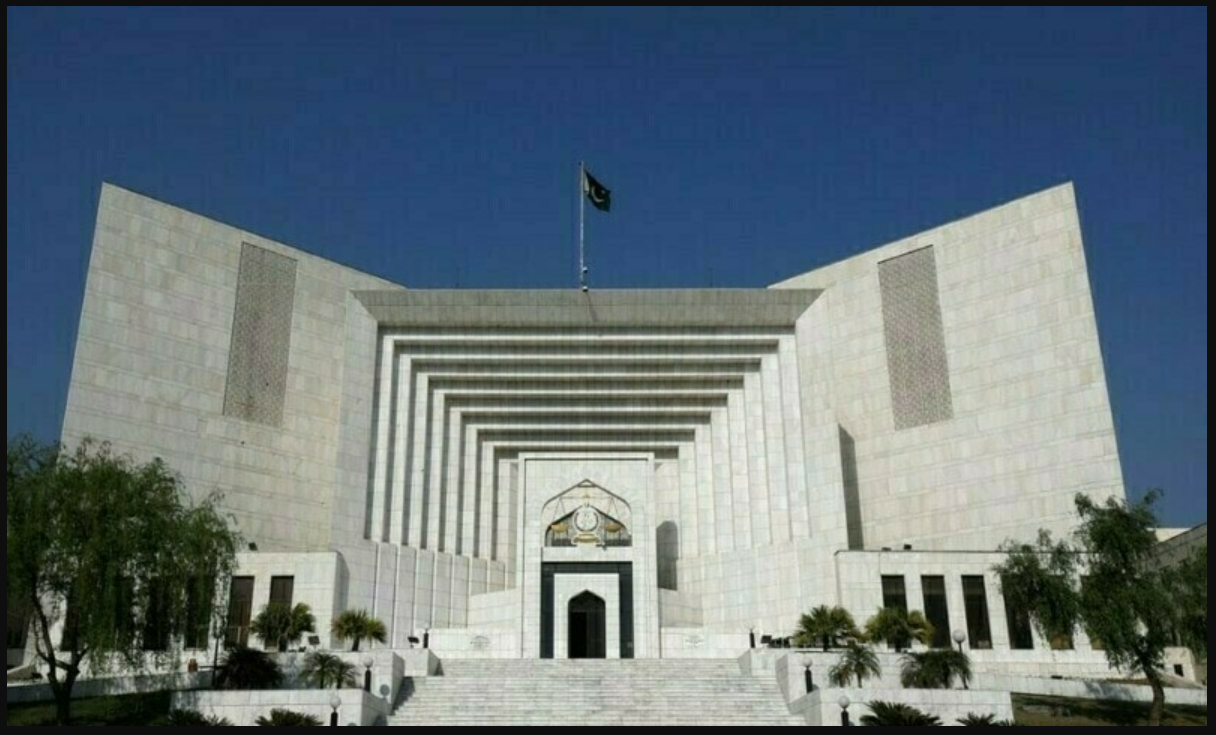

ISLAMABAD: The Supreme Court of Pakistan has ruled that penalties under the Income Tax Ordinance 2001 cannot apply retrospectively to assessments made under the repealed 1979 law.
A five-member larger bench, headed by Justice Shahid Waheed, settled conflicting Supreme Court judgments on retrospective tax amendments.
The bench declared the 2009 Eli Lilly Pakistan ruling correct and rejected the contrary position adopted in the 2016 Islamic Investment Bank case.
The court held that assessments completed under repealed legislation must remain governed by that law unless Parliament clearly provides otherwise.
Taxpayer’s penalties declared unlawful
The case concerned taxpayer Khadim Hussain, who purchased property in 1999 but did not file a related tax return.
Tax authorities later issued an ex parte assessment under the 1979 ordinance. They added Rs300,000 to his taxable income for assessment years 2000-01 through 2002-03.
However, the department imposed penalties under the 2001 ordinance. The Commissioner of Income Tax Appeals deleted those penalties while retaining the income addition.
The Income Tax Appellate Tribunal and Lahore High Court upheld the decision. Subsequently, the tax department challenged the ruling before the Supreme Court.
The larger bench rejected the department’s appeal and declared the penalties legally unsustainable.
The court stressed that taxpayer liabilities crystallize under the law applicable during the relevant assessment year.
It added that penal provisions increasing liability must generally operate prospectively unless Parliament expressly provides retrospective effect.
The ruling has now settled the legal conflict and clarified the limits of retrospective tax penalties.

