
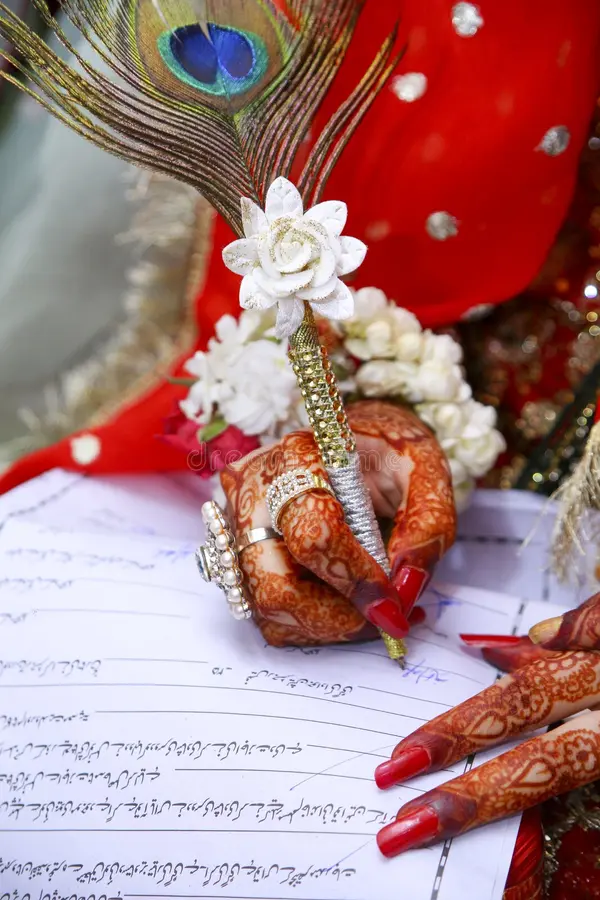

Pakistan’s Supreme Court has reaffirmed that Haq Mahr, or dower, is a legal right of the wife.
The court said a husband cannot use dower as leverage in marital disputes. It also stressed that the wife becomes the sole owner of the agreed dower.
A five-member bench headed by Justice Shahid Waheed issued the ruling while hearing petitions about dower conditions in Nikahnamas.
The judgment said the husband must pay the agreed dower in good faith and according to the marriage contract.
Dower Cannot Depend on Wife’s Conduct
The Supreme Court said a husband cannot link dower payment to his wife’s conduct.
It also rejected conditions that make dower dependent on whether a wife seeks divorce.
According to the judgment, such conditions can undermine the purpose of dower and create pressure within a marriage.
The court further directed judges to protect a woman’s right to receive the dower agreed in the Nikahnama.
Supreme Court Issues Nikahnama Directions
The court also issued directions for Nikahnama registrars.
Registrars must complete all relevant sections of the marriage contract. They should not leave important columns blank without a valid reason.
The court gave special attention to Columns 13 to 16, which cover dower-related details.
The total dower amount or value must appear clearly in the Nikahnama. This includes cash, movable assets and property.
Clear Property Details Made Mandatory
When property forms part of the dower, registrars must record enough details to identify it clearly.
These details may include its location, size, description and agreed value.
Registrars must also explain important entries to both parties before taking their signatures or thumbprints.
Union Council authorities should provide regular training to Nikah registrars. They must also monitor marriage registers and take action against registrars who fail to follow legal duties.
The ruling reinforces the legal importance of clearly recording a wife’s dower rights at the time of marriage.

