

Legal Appeal Filed
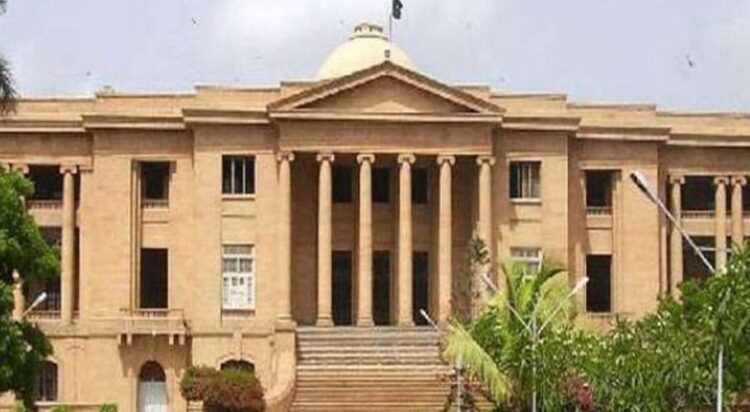
The Sindh Public Service Commission formally approached the Supreme Court on Monday. The provincial commission challenged a controversial decision by the Sindh High Court. Specifically, officials filed an appeal to suspend a recent interim order. That order halted the Combined Competitive Examination recruitment process. The intense legal dispute originally arose after the provincial court allowed failing candidates to advance to interviews. This judicial intervention disrupted the entire competitive selection process.
Strict Regulations Defended
The high court originally granted judicial relief to three failing candidates. For example, the commission declared one applicant unsuccessful after he scored thirty-two marks. Official guidelines require candidates to secure thirty-three percent in every individual subject. Additionally, applicants must achieve a fifty percent overall score. The commission emphasized that statutory regulations strictly prohibit the awarding of grace marks. This strict stance ensures absolute fairness for all hardworking participants.
Confidentiality Under Threat
The provincial high court previously ordered the testing agency to submit sealed answer sheets. However, commission officials strongly argued that they must protect the confidentiality of all papers. The statutory regulations completely bar the department from re-scrutinizing candidate documents. Officials believe that interviewing failing individuals undermines the transparency of the civil service system. Furthermore, this action threatens the institutional integrity of the provincial testing authority.
Recruitment Facing Delays
Legal experts expect the Supreme Court to review the statutory powers of the commission soon. Meanwhile, the ongoing recruitment process remains completely halted. This situation causes significant delays for thousands of successful applicants across the province. The commission hopes the highest court will restore the strict enforcement of merit criteria. Therefore, the upcoming ruling will establish a critical precedent for future public sector hiring nationwide.

