
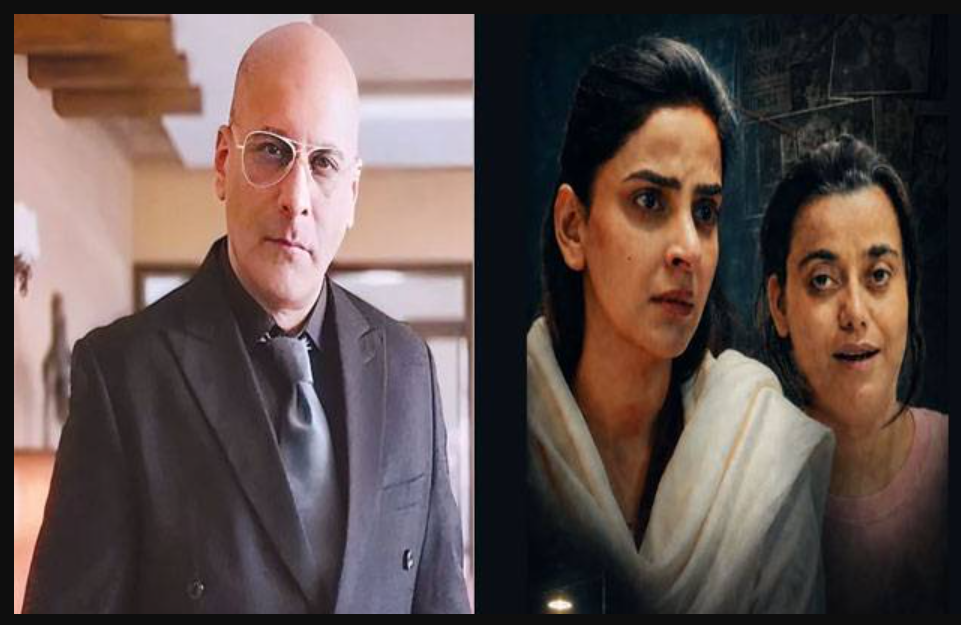

Actor and director Shamoon Abbasi has sparked discussion on social media after expressing reservations about a television drama reportedly inspired by the widely discussed Pinky, also known as the “Cocaine Queen”, case.
The veteran actor questioned whether adapting a controversial criminal case into a television serial was the right direction for the entertainment industry.
His comments have generated debate among viewers and industry observers, particularly regarding the types of stories that should be brought to prime-time television audiences.
Actor Advocates for More Inspiring Narratives
Sharing his views through a detailed social media post, Shamoon Abbasi respectfully raised concerns about the purpose and broader impact of such a project.
According to the actor, Pakistan is home to countless women whose stories reflect determination, resilience, achievement, and courage, making them worthy subjects for television productions.
He argued that these real-life success stories could provide stronger inspiration for audiences and offer more meaningful lessons than narratives associated with crime and controversy.
Furthermore, he suggested that television dramas have a responsibility to influence society positively by highlighting constructive role models.
Concerns About the Message Sent to Viewers
Shamoon questioned whether a story linked to a controversial criminal investigation should become the focus of a major television production.
He noted that audiences often look to television dramas not only for entertainment but also for social messages and inspiration.
The actor also pointed out that performers such as Saba Qamar have earned recognition for portraying impactful and socially relevant characters throughout their careers.
As a result, he wondered why a project centered on a controversial figure would become the next major subject for television storytelling.
Praise for Socially Relevant Dramas
While discussing the issue, Shamoon highlighted the recently aired drama Case No. 9 as an example of content that successfully combined entertainment with social awareness.
He praised the project for addressing important issues, including harassment and societal pressures faced by women.
According to him, the drama delivered a meaningful message while maintaining strong storytelling and audience engagement.
Moreover, he commended the performances of Saba Qamar and Faysal Quraishi, stating that their work helped strengthen the drama’s social impact.
He suggested that projects focusing on real social challenges can leave a lasting impression on viewers while encouraging positive conversations within society.
Film Could Be a Better Medium, Says Shamoon
The actor also proposed that if the story were to be explored creatively, a feature film might be a more suitable platform than a television serial.
In his view, television dramas are frequently watched by families, including younger audiences, making the choice of subject matter particularly important.
Therefore, he argued that creators should carefully consider the potential influence of such narratives on viewers from different age groups.
His comments reflected concerns about balancing artistic freedom with social responsibility.
Concerns Over Public Perception
Another issue raised by Shamoon involved the possibility of generating excessive sympathy for an individual linked to a criminal investigation.
He expressed concern that focusing heavily on the alleged personal struggles or background of the central figure could unintentionally shift public perception.
Furthermore, he emphasized that the case remains under scrutiny and that many details may not yet be publicly known.
As a result, he suggested caution when adapting ongoing or controversial cases for mainstream entertainment.
According to Shamoon, television productions should avoid creating narratives that could be interpreted as glorifying or romanticizing criminal allegations.
Debate Continues Across Social Media
The actor’s remarks have fueled discussion among social media users, many of whom have shared differing opinions on the issue.
Some agree that television should prioritize inspiring and socially beneficial stories, while others believe filmmakers and drama creators should have the freedom to explore a wide range of subjects.
Consequently, the debate has expanded beyond a single drama project and evolved into a broader conversation about storytelling, responsibility, and audience influence in Pakistan’s entertainment industry.
Conclusion
Shamoon Abbasi’s comments regarding the reported “Pinky aka Anmol” drama have reignited debate about the role of television in shaping public opinion and social values.
While he acknowledged the creative freedom of storytellers, he urged producers to focus more on narratives that inspire audiences and celebrate real-life achievements.
His concerns about the impact of controversial crime-based stories have added a new dimension to the ongoing discussion, leaving many viewers questioning what kinds of stories deserve a place on prime-time television.

