
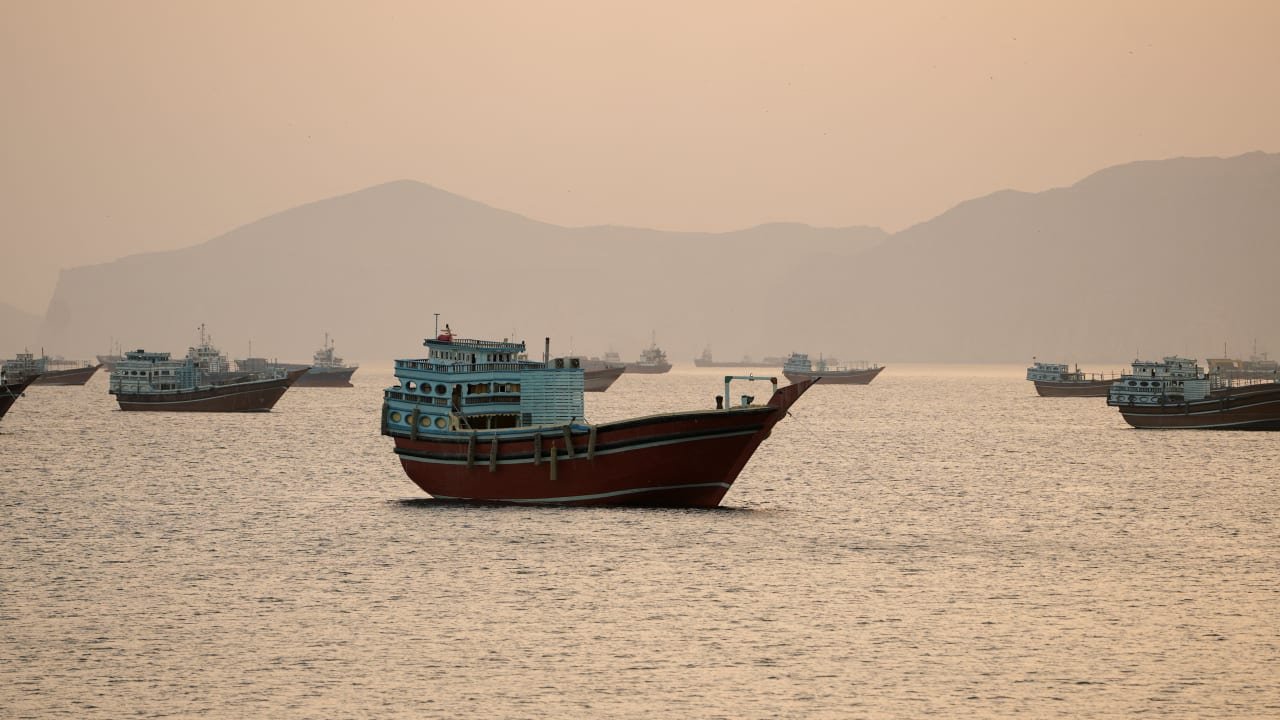

New 60-day framework introduces coordinated shipping procedures
TEHRAN: Ships passing through the Strait of Hormuz will be required to coordinate with Iranian authorities even when departing through the Omani side under a temporary 60-day arrangement agreed between Iran and Oman, according to diplomatic sources.
The reported agreement establishes new transit procedures for commercial vessels navigating the strategic waterway. Under the framework, ships must enter the strait through the Iranian side before exiting via the Omani side. The measure is expected to remain in force for two months while both countries continue discussions on a longer-term maritime arrangement.
During the implementation period, authorities also plan to clear mines from the central sections of the Strait of Hormuz, most of which are located within waters on the Omani side. Officials believe the effort will improve navigational safety and facilitate the gradual normalization of commercial shipping through one of the world’s busiest energy corridors.
No mandatory transit fees under current arrangement
According to the diplomatic sources, vessels will not be required to pay mandatory transit charges despite earlier Iranian proposals. However, ships may voluntarily contribute through payments described as insurance or environmental quality fees.
The sources added that Iranian officials are expected to encourage shipping companies to make those voluntary contributions, arguing they would help support maritime safety and environmental protection initiatives in the region.
Permanent solution remains under negotiation
Meanwhile, Iran and Oman are expected to continue negotiations aimed at establishing a permanent framework for navigation through the Strait of Hormuz once the temporary agreement expires. Diplomatic discussions are also expected to run alongside broader negotiations concerning regional security and Iran’s nuclear program.
The Strait of Hormuz remains one of the world’s most strategically important maritime routes, carrying a significant share of global oil and liquefied natural gas exports. Any changes to shipping procedures are therefore being closely monitored by governments, energy markets and international shipping companies.

