

Sensitive Documents Can Remain on Personal Devices Long After Verification
Sharing a CNIC, bank statement or other sensitive document through WhatsApp may appear convenient, but it can create serious privacy and security risks.
Loan agents, property dealers, hotel staff, financial service representatives and other businesses frequently request identity documents to verify customers.
The request itself may be legitimate.
The bigger concern is what happens to the document after it has been sent.
Once a CNIC image or bank statement reaches another person’s phone, the sender can no longer fully control where that file is stored.
The recipient may download it to a mobile device, transfer it to a laptop or save it in another messaging application.
Copies could also remain in device storage or cloud backups for long periods.
Even if the person receiving the document has no intention of misusing it, weak security practices can still expose sensitive information.
A lost phone, compromised email account, stolen laptop or hacked cloud backup could potentially expose documents that were originally shared for a single verification process.
The issue is therefore not simply whether WhatsApp is being used.
The larger risk involves how organisations and individuals store, access and protect personal information after receiving it.
CNIC and Bank Statements Could Be Misused if Copies Fall Into Wrong Hands
Sensitive identity documents contain information that can be valuable to criminals.
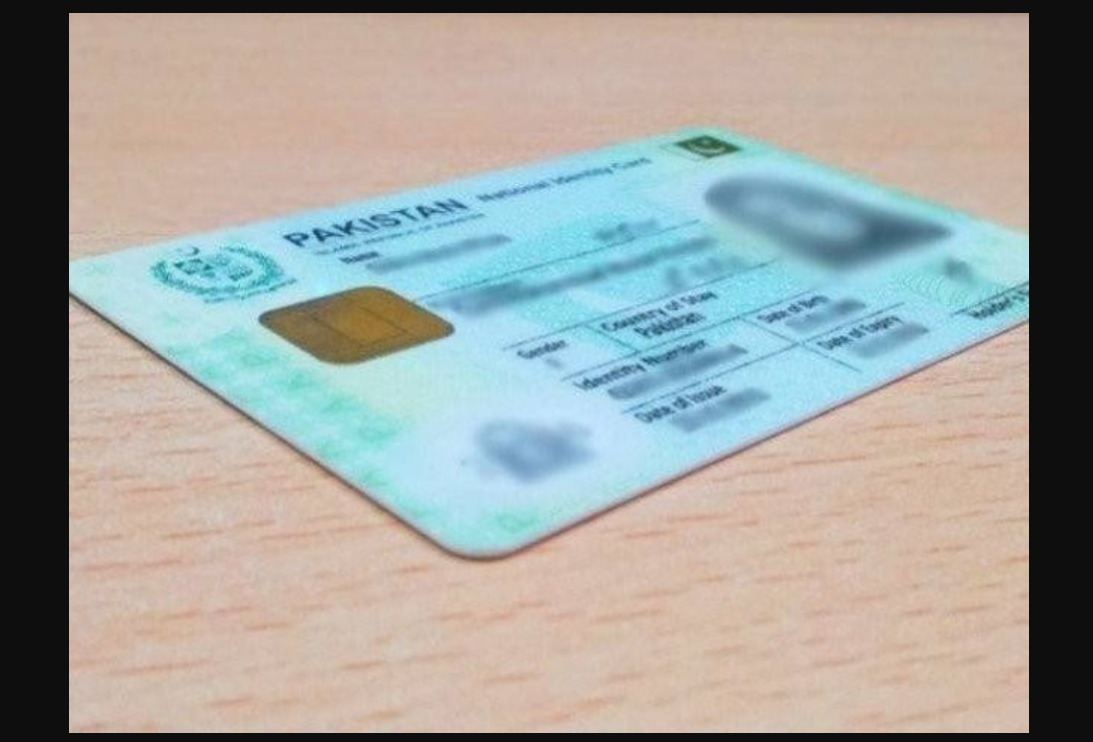
A CNIC may reveal a person’s full name, identity number, photograph and other identifying information.
Bank statements can contain account details, transaction information, addresses and other financial data.
If such documents are collected through an employee’s personal phone rather than an organisation’s secure system, the files may move outside formal cybersecurity controls.
That can make it more difficult for the organisation to track who has access to the documents.
Multiple copies may also be created without the customer knowing.
For example, a document could exist on the original WhatsApp conversation, in the recipient’s downloads folder, in a desktop copy of WhatsApp and in a cloud backup.
The risk becomes more serious if any of those systems are later compromised.
Exposed personal information can potentially be used for targeted scams, impersonation attempts, unwanted calls and fraudulent applications.
In more serious cases, stolen identity information may contribute to financial fraud or identity theft.
However, sharing a document does not automatically mean fraud will occur.
The concern is that unnecessary copies increase the number of places where sensitive information can potentially be exposed.
Secure Upload Portals Are Safer Than Sending Documents to Personal Numbers
Customers may still need to provide identification to banks, hotels, property businesses and other organisations.
The safer approach is to use official verification channels whenever they are available.
Consumers should ask whether the organisation provides a secure document-upload portal through its official website or mobile application.
Government-backed or regulated digital identity verification systems can also reduce the need to send complete identity documents to individual employees.
Businesses should avoid collecting sensitive customer information through personal messaging accounts whenever a secure alternative exists.
Official systems can provide better access controls, retention policies and audit records.
They can also help organisations delete information when it is no longer required.
This reduces the possibility of sensitive files remaining indefinitely on employees’ personal devices.
What Should You Do Before Sending a CNIC on WhatsApp?
Before sending any sensitive document, consumers should verify who is requesting it and why it is required.
Confirm that the phone number actually belongs to an authorised representative of the organisation.
Whenever possible, contact the business through its official website or published customer service number before sharing documents.
Ask whether only specific information is required instead of sending a complete document.
For some transactions, unnecessary details may be hidden or redacted, provided the organisation accepts such documents.
If WhatsApp is genuinely the only available method, consumers can consider adding a visible watermark stating the purpose for which the document is being provided.
For example, a document could be marked for a specific application or verification purpose.
This does not eliminate the risk, but it can make unauthorised reuse more difficult.
Password-protecting sensitive files can provide another layer of security.
The password should ideally be shared through a separate communication channel rather than in the same WhatsApp conversation.
Consumers should also avoid sending sensitive documents when connected to untrusted devices or accounts.
Once Shared, Regaining Full Control Can Be Difficult
Digital convenience has made document sharing faster than ever, but it has also created new privacy challenges.
A CNIC or bank statement should not be treated like an ordinary photograph.
Such documents form an important part of a person’s identity and financial profile.
Once a sensitive file leaves your device, it may be impossible to know exactly how many copies exist or how long they will remain stored.
Consumers should therefore limit unnecessary sharing and prefer official verification systems wherever possible.
Businesses also have a responsibility to collect only the information they genuinely need and protect it using secure systems.
The safest approach is simple: verify the request, minimise the information shared and use an official secure channel whenever one is available.

