
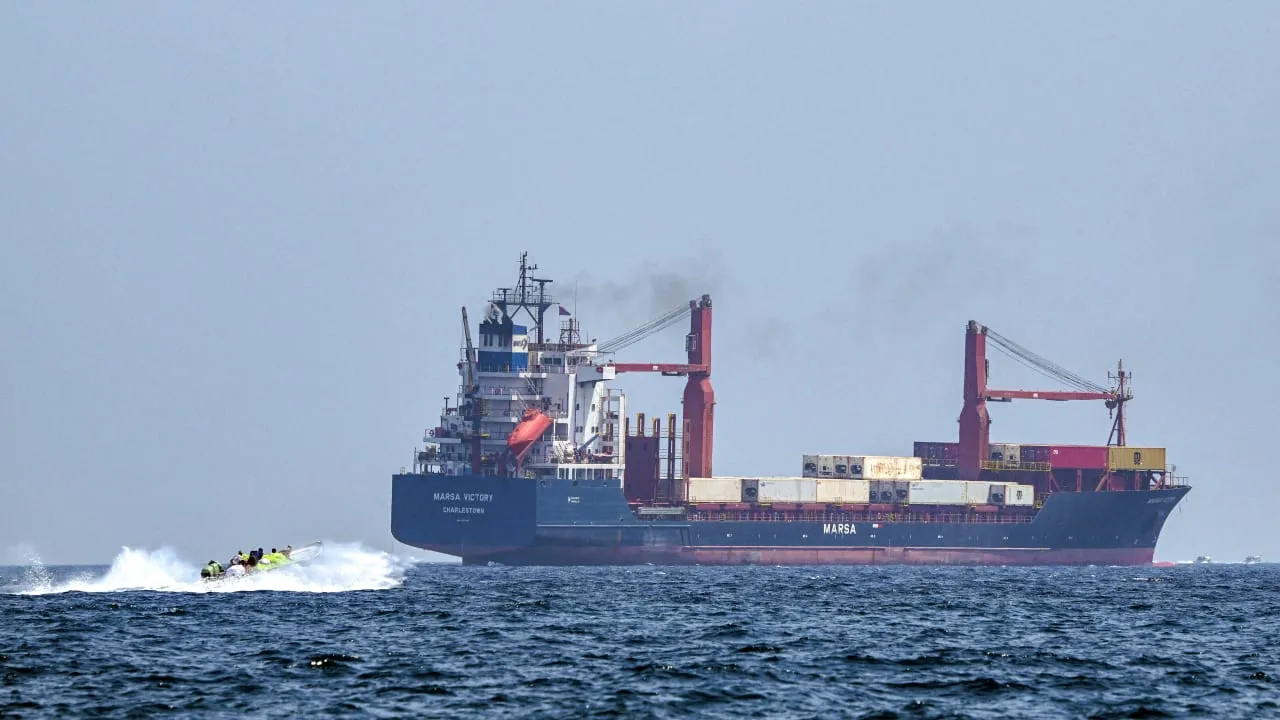

Covert Maritime Network Emerges During Regional Conflict
DUBAI: A large-scale offshore oil transfer operation has helped maintain Gulf energy exports during months of disruption in the Strait of Hormuz, according to sources familiar with the matter and shipping data reviewed by international media.
The operation reportedly began in early May and involves ship-to-ship oil transfers at designated locations off the coasts of Fujairah in the United Arab Emirates and Sohar in Oman. Industry sources said dozens of vessels have participated in the transfers, allowing crude oil and petroleum products to continue reaching international markets despite ongoing regional tensions.
Satellite imagery reviewed by analysts showed multiple tanker pairs conducting simultaneous transfers in both locations. The operation emerged after severe disruptions to maritime traffic in the Strait of Hormuz, one of the world’s most important energy shipping routes.
Complex Logistics Support Energy Supplies
According to maritime sources, participating tankers travel to predetermined meeting points before transferring cargo to larger vessels positioned outside the most sensitive areas of the waterway.
The system reportedly relies on carefully coordinated transit schedules, surveillance support and extensive compliance procedures. Sources said operators seeking participation must undergo screening processes and maintain communication with designated maritime authorities throughout their voyages.
Industry observers estimate that tens of millions of barrels of crude oil and refined products have moved through the offshore network since its launch, helping ease pressure on global energy markets.
Temporary Measure Faces Ongoing Challenges
Meanwhile, shipping experts warned that the arrangement remains a temporary solution designed to address exceptional circumstances. They noted that operating vessels in congested waters, often under strict security conditions, increases navigational and operational risks.
Energy analysts said the system has helped prevent a more severe disruption to global oil supplies and limited additional inflationary pressures on international markets.
However, uncertainty remains over how long the arrangement will continue, particularly as diplomatic efforts seek to restore normal shipping activity through the Strait of Hormuz. Market participants will closely monitor developments in the coming weeks as regional conditions evolve.

