
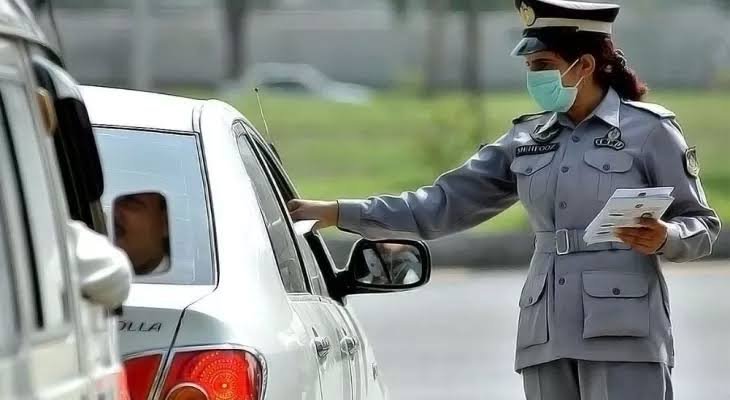

Islamabad Traffic Police wardens have reportedly been given daily targets for issuing traffic challans and registering cases.
Sources told ProPakistani that field wardens were verbally instructed to issue 50 challans and register two FIRs every day.
According to the report, wardens were told that their duty would not end until the daily challan target was completed.
The reported instructions have raised concerns over whether traffic enforcement is being driven primarily by road safety or numerical targets.
No official statement from Islamabad Traffic Police confirming the reported quota system was included in the report.
Daily Targets Could Produce Thousands of Challans
More than 50 traffic wardens are currently believed to be deployed in the field, according to the sources.
If 50 wardens each issued only 20 challans in one day, the total would reach approximately 1,000 tickets.
If every warden met the reported target of 50 challans, the figure could rise to around 2,500 tickets per day.
Such numbers could significantly increase the volume of traffic enforcement across the federal capital.
The reported quota has also raised questions about how officers would handle situations where there are not enough genuine violations to meet the daily target.
Traffic penalties are normally intended to discourage dangerous driving and improve compliance with road safety laws.
Critics of quota-based enforcement argue that fixed numerical targets can create pressure on officers and raise concerns about fairness.
Ride-Hailing Drivers and Motorcyclists Face Increased Checks
Sources also claimed that traffic wardens have recently intensified enforcement against motorcyclists.
Drivers working with ride-hailing services have reportedly faced increased scrutiny as well.
The report specifically mentioned riders and captains associated with platforms such as inDrive and Bykea.
Motorcyclists are frequently checked for licences, helmets, registration documents and other traffic requirements.
Ride-hailing drivers may also face checks related to vehicle documentation and compliance with road regulations.
However, the reported daily challan targets have created concern that enforcement could become focused on meeting quotas rather than identifying serious violations.
Authorities have not publicly clarified whether any formal or informal targets have been introduced for field personnel.
Questions Raised Over Revenue and Licence Charges
The reported enforcement policy has also triggered questions about revenue collection.
Sources claimed that Islamabad Traffic Police is already charging an additional Rs2,000 for same-day issuance of driving licences.
Questions have been raised over how additional revenue generated through such charges is being used.
The report did not provide an official breakdown of where these collections are allocated.
Traffic enforcement remains an important tool for reducing accidents and improving road discipline.
However, transparent procedures are essential to ensure that fines are issued only when violations occur.
Any system based on mandatory challan targets could attract scrutiny if drivers are penalised without clear evidence of breaking traffic laws.
An official clarification from Islamabad Traffic Police would be required to confirm the reported instructions and explain the purpose of any enforcement targets.

