
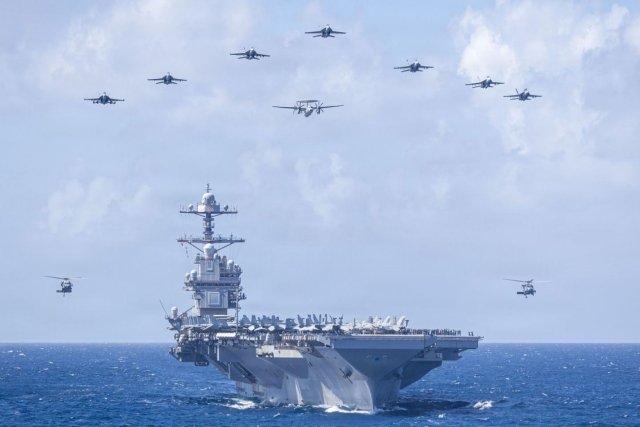

Riyadh raises concerns over regional stability
Saudi Arabia has voiced strong concerns over the United States’ blockade strategy, warning that it represents a dangerous escalation in an already tense region. Officials emphasized that the move could further restrict trade flows through the Persian Gulf, a critical artery for global energy supplies and commerce.
According to analysts, the blockade risks intensifying instability by increasing the likelihood of confrontation. Moreover, Saudi officials indicated that such actions could provoke broader regional tensions, potentially leading to more violent conflict. As a result, concerns are growing about the wider implications for Middle Eastern security.
In addition, the blockade could extend its impact beyond the Gulf. Experts warn that disruptions may also affect shipping routes in the Red Sea, another vital corridor for international trade. Consequently, global supply chains could face serious challenges if tensions continue to escalate.
Global economic risks come into focus
At the same time, economists caution that the blockade could have far-reaching consequences for the global economy. By restricting key trade routes, the move could disrupt energy markets and increase transportation costs worldwide.
Furthermore, some analysts argue that the economic fallout could affect global markets more severely than its intended impact on Iran. They note that prolonged disruptions may strain international trade systems and weaken economic stability.
Meanwhile, the ongoing demand for surrender rather than negotiation has raised concerns about the lack of diplomatic progress. Observers suggest that without constructive dialogue, the situation may continue to deteriorate.
Overall, Saudi Arabia’s warning reflects broader international anxiety about escalation risks and the urgent need for balanced diplomatic solutions.

