

Long-term agreement aims to boost production as rising global demand strains interceptor inventories
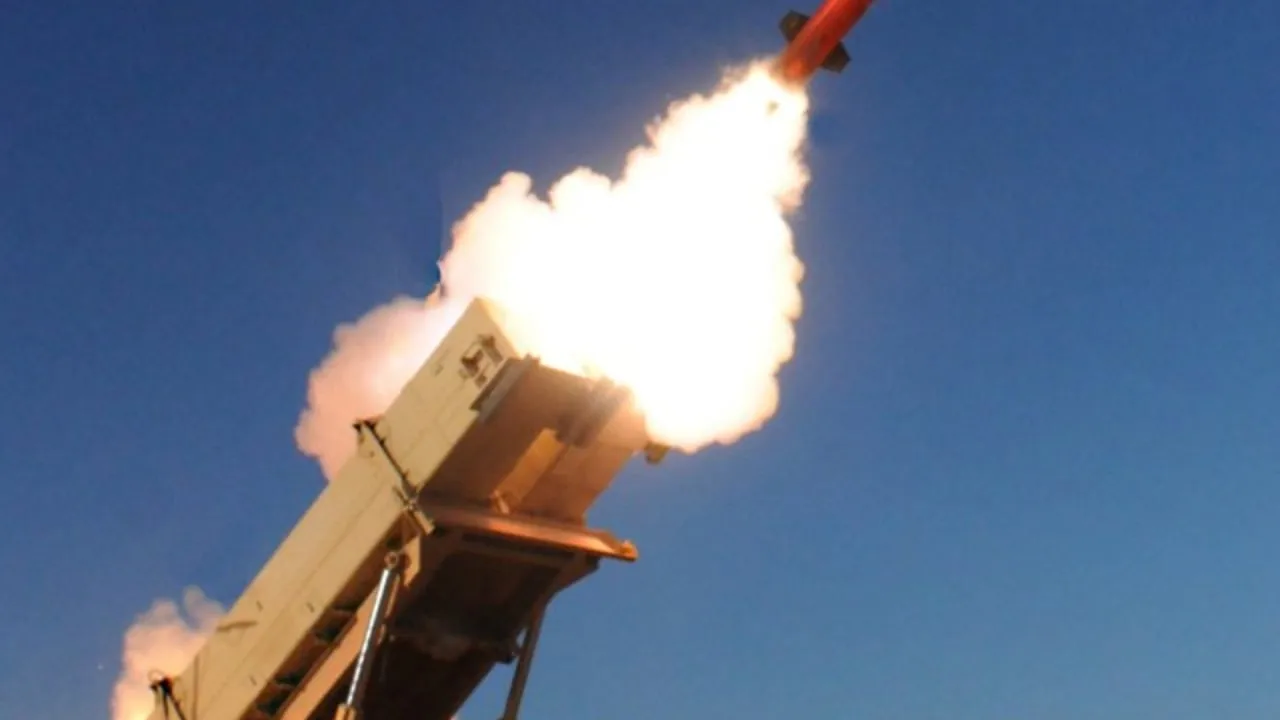
WASHINGTON: The US Department of Defense has awarded Lockheed Martin a contract worth $58.6 billion to procure Patriot missile interceptors under one of the largest defence procurement agreements in the Pentagon’s history.
According to the Pentagon, the multiyear agreement covers an accelerated production schedule from 2026 through 2032 and is intended to significantly expand the United States’ stockpile of Patriot interceptors amid growing global security demands.
The contract comes as US interceptor inventories face pressure from support for Ukraine, military operations related to Iran and broader defence planning in the Indo-Pacific.
Lockheed Martin currently produces about 600 Patriot interceptors annually. Under the new agreement, production is expected to increase to approximately 2,000 interceptors per year.
Production capacity set to expand
To meet the higher output target, Lockheed Martin and its suppliers are expected to expand manufacturing capacity for rocket motors, guidance systems and warheads.
The company has previously announced plans to invest up to $9 billion in production facilities in Alabama and Arkansas by 2030 while creating more than 1,000 additional jobs.
Although the Pentagon did not disclose the exact number of missiles included in the agreement, reports indicate the contract covers more than 10,000 interceptors. The expanded production is also expected to reduce the unit cost, which is estimated at more than $4 million per interceptor.
Missile shortages influence defence priorities
The agreement follows efforts by the United States to prioritise interceptor supplies for its own forces and allied partners amid increasing operational requirements.
The US has delayed some Patriot interceptor deliveries to Ukraine and postponed deliveries to Switzerland while reassessing inventory needs.
Separately, the Pentagon recently awarded Raytheon a $441 million contract for older PAC-2 Patriot interceptors. Unlike the more advanced PAC-3 system, PAC-2 interceptors are primarily designed to engage aircraft and drones rather than ballistic missiles.
Defence officials say expanding production across multiple interceptor variants will help strengthen US missile defence capabilities while preserving advanced systems for higher-threat missions as global demand for air and missile defence continues to increase.

