
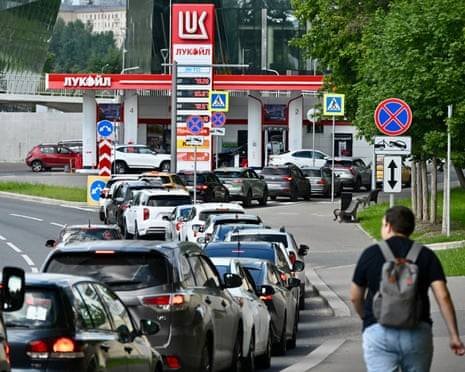

Siberian Regions Introduce Measures to Reduce Fuel Consumption
Authorities in Russia’s Novosibirsk region have urged residents to work remotely and limit private vehicle travel as fuel shortages continue to worsen. The measures aim to reduce fuel consumption while the region remains under a high-alert status.
Novosibirsk is one of Siberia’s largest population centers and a major manufacturing and economic hub. Therefore, officials hope these recommendations will ease pressure on fuel supplies and maintain essential services.
The latest restrictions follow Ukrainian strikes on an oil refinery in the neighboring Omsk region earlier this week. The facility is among Russia’s largest oil processing plants by production capacity. Consequently, the attack has intensified concerns over fuel availability in several parts of the country.
Fuel Shortages Spread Across Russian Regions
According to local officials and media reports, more than 90 percent of Russia’s regions have experienced fuel shortages since June. As a result, some areas have introduced fuel rationing at petrol stations. Others have banned motorists from filling portable fuel containers to manage limited supplies.
A regional decree, dated Wednesday and later published by Russian media, advised employers to reduce fuel use by allowing staff to work remotely whenever possible. In addition, authorities encouraged residents to avoid unnecessary travel within Novosibirsk and outside the region until the high-alert period ends.
Neighboring regions have adopted similar measures. Officials in Tomsk recommended remote work for government employees and advised departments to replace business trips with online meetings. Meanwhile, authorities in Irkutsk also encouraged employers to let staff work from home where practical.
Ukrainian Strikes Continue to Target Energy Infrastructure
Ukraine has repeatedly targeted Russian oil and gas infrastructure during the ongoing conflict. Ukrainian officials say these attacks are a response to Russian strikes on Ukrainian civilian areas. Meanwhile, Russia continues to face growing challenges in maintaining fuel supplies across multiple regions.
Russian President Vladimir Putin acknowledged the fuel shortages but described the situation as manageable. He stated that the shortages are “not critical” and accused Ukraine of attempting to create division within Russian society.
The latest developments highlight how attacks on energy infrastructure continue to affect daily life beyond the battlefield. Moreover, they demonstrate the wider economic and logistical impact of the prolonged conflict on both countries.

