
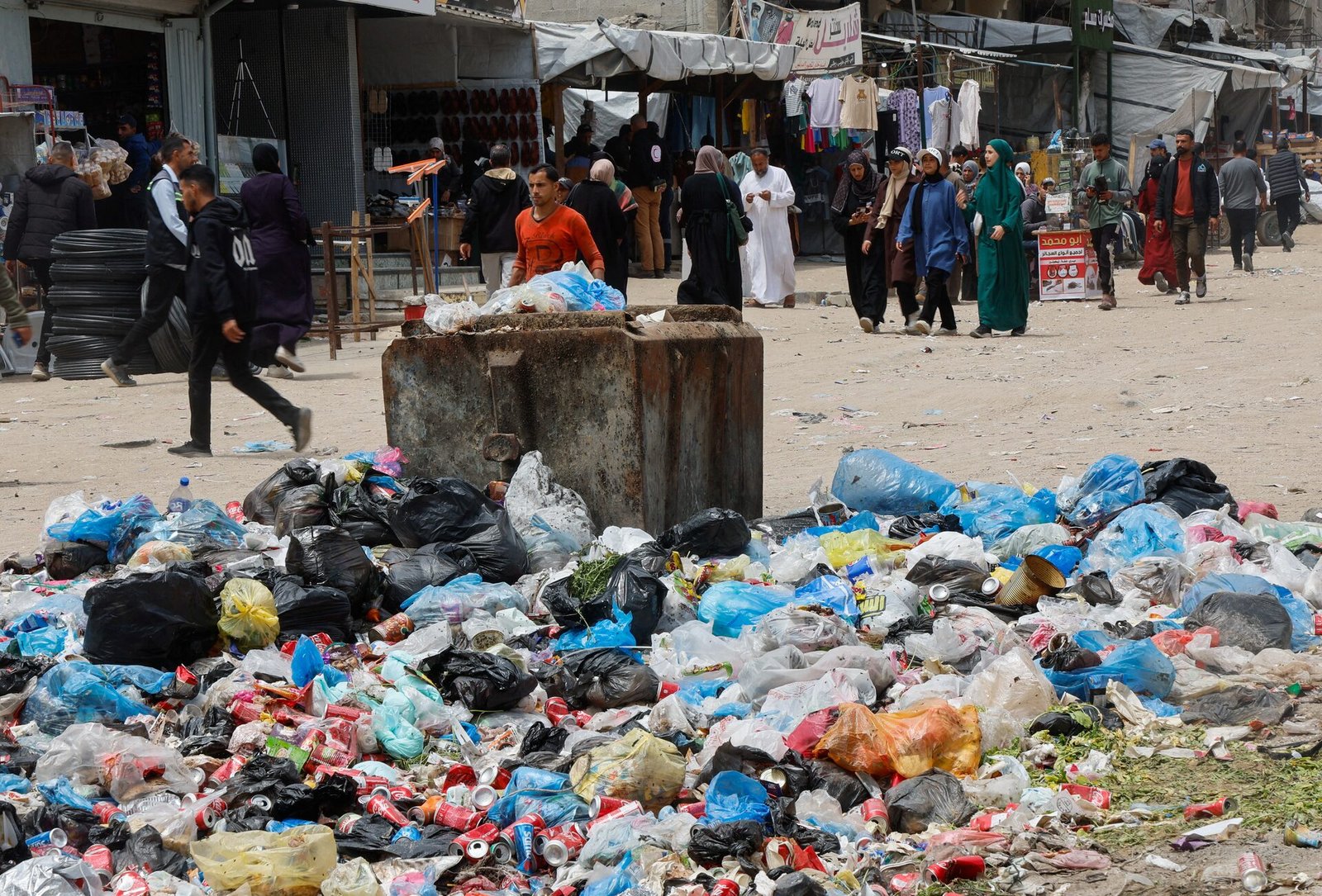

Rats and parasites are rapidly spreading through displacement camps in Gaza Strip, worsening already dire humanitarian conditions. Aid workers and residents report that rodents are biting children during sleep, destroying belongings, and increasing the risk of disease. Meanwhile, more than two million people remain displaced, many living in tents or damaged buildings with limited sanitation.
Families describe daily fear and worsening conditions
Displaced residents say infestations have become a constant threat. In Khan Younis, 20-year-old Amani Abu Selmi discovered that rats had destroyed her wedding clothes stored inside a tent. Similarly, Khalil Al-Mashharawi said rodents bit his young child and later attacked him, forcing his family to sleep in shifts for protection.
In addition, residents report that traps offer little relief due to the scale of the infestation. With waste accumulating and shelter conditions deteriorating, rodents continue to thrive. Consequently, families face both physical harm and emotional distress as they struggle to cope with the situation.
Health officials warn of growing disease risks
Medical authorities, including staff at Al Shifa Hospital, report increasing cases linked to rodent exposure. Officials warn of diseases such as leptospirosis and rat-bite fever, particularly among vulnerable groups. Moreover, the World Health Organization has recorded thousands of related infections this year.
Sanitation systems remain largely destroyed, while restrictions limit the entry of pest control materials. As a result, contaminated water and waste continue to build up near living areas. Health experts caution that conditions may worsen with rising temperatures.
Therefore, aid groups stress the urgent need for improved sanitation and access to essential supplies to prevent further public health deterioration.

