
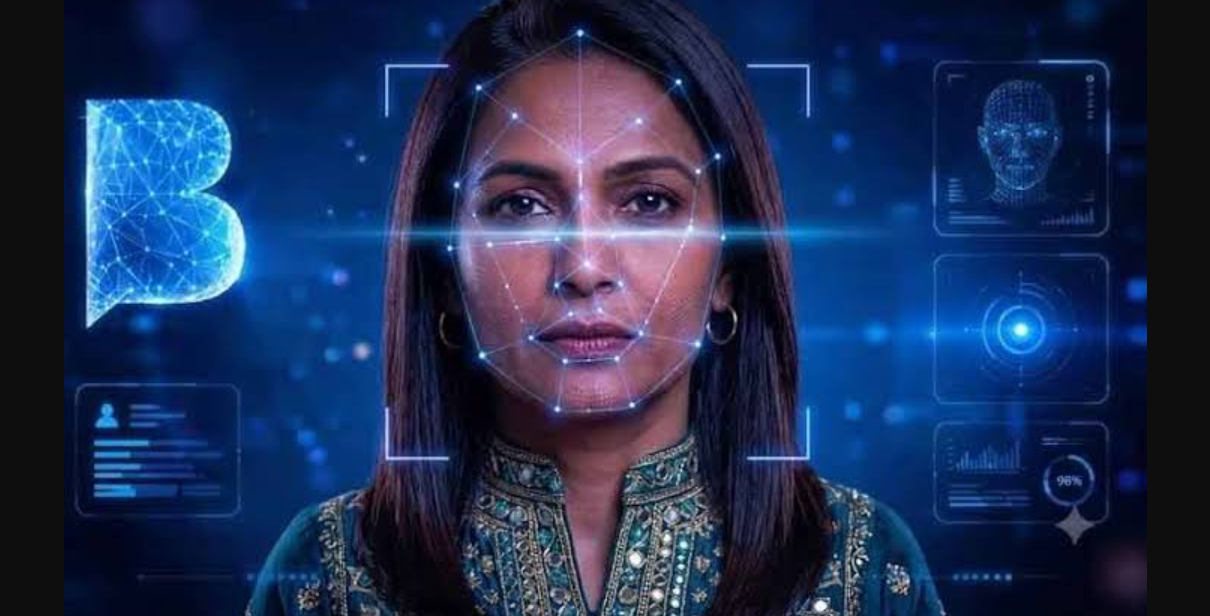

The Punjab government has drafted new legislation titled the Punjab Performers’ Digital Identity and Artificial Intelligence Protection Act 2026. The proposed law aims to safeguard artists from unauthorized use of their voice, face, and digital likeness through artificial intelligence tools.
The legislation comes amid rising concerns about deepfakes, voice cloning, and AI-generated content being used without consent. Therefore, the government seeks to establish clear legal protection for performers’ digital identities.
AI-Generated Content and Consent Requirements
Under the proposed law, a performer’s voice, facial image, gestures, and digital identity will be classified as protected intellectual property. Any unauthorized reproduction using AI technology will be considered illegal.
This includes deepfake videos, synthetic voice recordings, fake endorsements, and AI-generated political messages. Moreover, the law requires explicit written consent before any AI-based reproduction of a performer’s identity.
Producers, studios, and media companies will also need to clearly disclose when AI tools are used in content creation. As a result, transparency becomes a key requirement under the new framework.
Strict Penalties for Violations
The draft legislation proposes strict punishment for violations of AI misuse rules. Offenders may face up to three years of imprisonment along with heavy fines reaching millions of rupees.
These penalties aim to discourage misuse of digital identity technologies. In addition, the law establishes stronger accountability for production houses and digital content creators.
Digital Rights Registry and Regulatory Framework
The proposed act also includes the creation of a Digital Rights Registry. This system will formally document performers’ digital identities and ownership rights.
Furthermore, a dedicated regulatory framework will oversee AI-related disputes and rights protection. Separate contracts and compensation agreements will be required for any AI-generated performances.
Consequently, the law introduces structured oversight for digital identity usage in Pakistan’s entertainment industry.
Special Protection for Minors and Legacy Rights
The draft law provides additional safeguards for performers under the age of 18. Their digital identities will receive enhanced protection against unauthorized use.
In addition, the identities of deceased artists will remain legally protected for 25 years after their death. This measure ensures long-term respect for artistic legacy and intellectual property rights.
Growing Industry Concerns Over AI Misuse
The proposed legislation follows increasing concern within Pakistan’s entertainment sector about AI-related contract clauses. Many artists have raised alarm over the potential misuse of digital likeness rights.
A recent industry discussion included a virtual meeting between artists, production representatives, and government officials. The meeting addressed concerns over contracts that may grant broad ownership of digital identity.
Several prominent figures, including actors and filmmakers, participated in these discussions. The talks highlighted the urgent need for regulatory clarity in AI-generated media content.
Contract Controversies Highlight Industry Risks
Concerns intensified after reports emerged of contract clauses involving ownership of an artist’s digital likeness. Some agreements reportedly included rights over voice, face, and gestures.
According to industry discussions, such clauses could extend beyond a single project and apply indefinitely. This raised alarm among performers regarding long-term control of their identity.
As a result, more artists began reviewing contracts carefully, especially those involving digital production or AI-assisted content creation.
Conclusion
Punjab’s proposed AI deepfake law represents a significant step toward regulating digital identity in the age of artificial intelligence. The legislation seeks to protect artists from exploitation while ensuring responsible use of emerging technologies.
With strict penalties, consent requirements, and a digital rights registry, the law aims to balance innovation with protection. Ultimately, it reflects growing global concern over AI misuse in media and entertainment industries.

