


MPAs’ Suspension
LAHORE: After weeks of political tension and disruptions in the Punjab Assembly, both the treasury and opposition benches have agreed to engage in dialogue to resolve the ongoing impasse triggered by the suspension of 26 opposition lawmakers.
The breakthrough follows days of acrimony that began with a heated protest during Chief Minister Maryam Nawaz Sharif’s address to the provincial assembly last month.
On June 27, chaos erupted in the house when members of the Pakistan Tehreek-e-Insaf (PTI) interrupted the Chief Minister’s speech, during which she highlighted her government’s achievements and outlined budgetary priorities. The protest escalated quickly as PTI legislators surrounded the speaker’s dais and chanted slogans, leading to a complete breakdown of assembly proceedings.
In response to the disorder, Speaker Malik Ahmed Khan took swift and severe action, suspending 26 PTI lawmakers for 15 sittings and imposing a fine of Rs200,000 on 10 members for allegedly damaging public property.
Additionally, he submitted disqualification references against the suspended MPAs to the Election Commission of Pakistan (ECP), citing “unparliamentary conduct.”
The speaker’s actions drew strong criticism from various quarters, including legal experts and civil society, who described the measures as “disproportionate” and a “dangerous precedent” for democratic institutions.
Despite the backlash, Speaker Khan staunchly defended his decisions, maintaining that he acted within his constitutional authority and that similar powers had been exercised in the past.
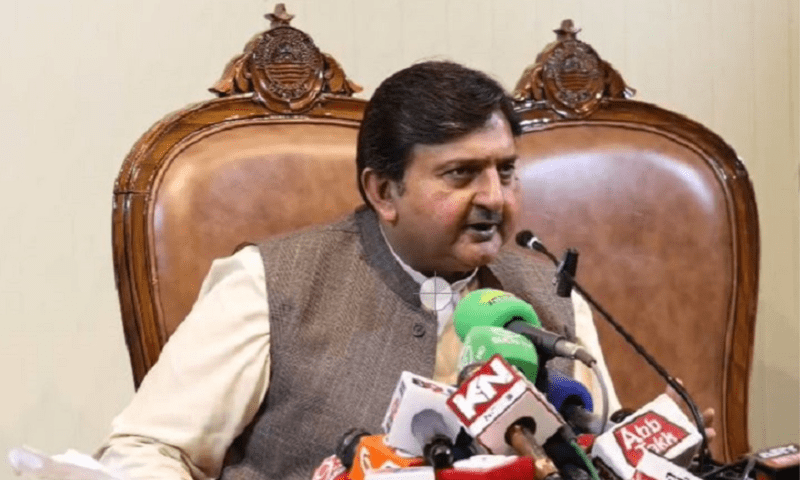
However, signs of reconciliation emerged on Thursday when Speaker Khan extended an invitation to the penalised lawmakers to present their case regarding the disqualification references. The following day, the suspended MPAs, led by Opposition Leader Ahmed Khan Bhachar, held a meeting in the speaker’s chamber.
They were joined by prominent figures from the government, including Finance Minister Mujtaba Shujaur Rehman and PML-N’s chief whip Rana Arshad.
While formal hearings were conducted on the government’s applications, informal discussions between both sides continued for over an hour. As a result of these talks, a consensus was reached to form a 15-member bipartisan committee—equally represented by the government and opposition—to address the issue and work toward a resolution.
The committee, to be headed by Speaker Malik Ahmed Khan, will convene at the Punjab Assembly on Sunday to continue the dialogue. Welcoming the initiative, the speaker emphasized the importance of resolving disputes through constitutional and democratic means.
“Dialogue and consultation are the essence of parliamentary democracy,” he stated. “Every disagreement can be resolved through a positive, dignified, and constitutional approach.”
He described the formation of the committee as a step towards strengthening democratic traditions and expressed hope that all political actors would engage in the process with maturity, patience, and a shared commitment to parliamentary norms.
Speaking to the media after the meeting, Finance Minister Mujtaba Shujaur Rehman said the speaker should ensure that any decision is made in accordance with the Constitution and the law. He also ruled out leniency for those who disrupted the assembly, reaffirming the need for discipline and decorum in the house.
