
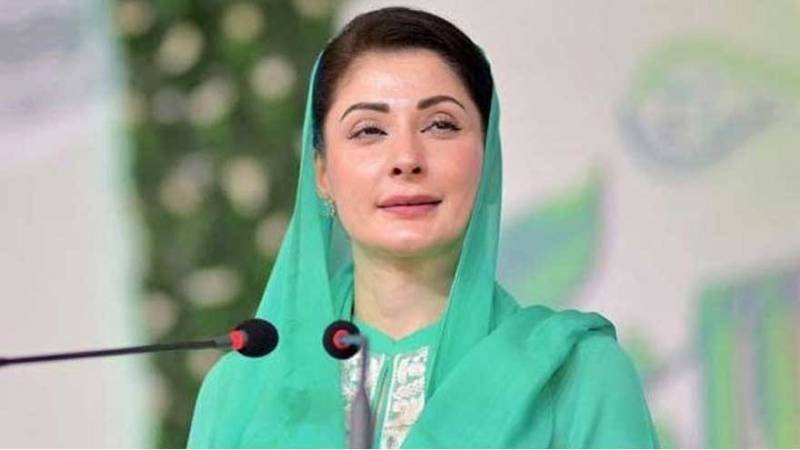

Punjab Chief Minister Maryam Nawaz has rejected a proposal to impose charges on bottled drinking water supplied under the province’s clean drinking water initiative. She reaffirmed her commitment to providing safe drinking water free of cost to deserving communities.
The decision came during a special meeting on the Punjab Saaf Pani Authority in Lahore on Thursday. During the session, officials briefed the chief minister on the progress of ongoing clean drinking water projects across Punjab.
Maryam Nawaz directed officials to provide daily updates on a pilot project supplying bottled drinking water in four districts. Moreover, she instructed deputy commissioners to gather public feedback on water quality and availability.
Filtration Plants And Distribution Network Expanded
The chief minister also ordered authorities to assess daily drinking water requirements in all four pilot districts. Meanwhile, the meeting reviewed proposals to deliver clean water directly to households through water tankers.
Officials informed the meeting that construction of 864 water filtration plants is underway across Punjab. Additionally, work on another 1,913 filtration plants will begin soon.
Maryam Nawaz directed authorities to complete 1,886 water filtration projects as quickly as possible. Under the pilot programme, officials are distributing 10,000 bottles of 19-litre drinking water free of charge in four districts.
The meeting also reviewed plans to establish 670 bottled water plants and 4,020 distribution points across Punjab.
Chief Minister Reaffirms Commitment To Clean Water
Officials said hundreds of bottles are already being supplied daily to Khushab, Rahim Yar Khan, Bahawalpur and remote areas of Dera Ghazi Khan. Therefore, the chief minister instructed authorities to increase the number of delivery trucks to improve distribution.
Maryam Nawaz said providing clean drinking water at people’s doorsteps remains her government’s commitment. Furthermore, she described access to safe drinking water as the right of every citizen.
She expressed concern over women and elderly residents carrying water in remote areas. Consequently, she pledged that bottled drinking water would reach every community lacking access to safe supplies.

