
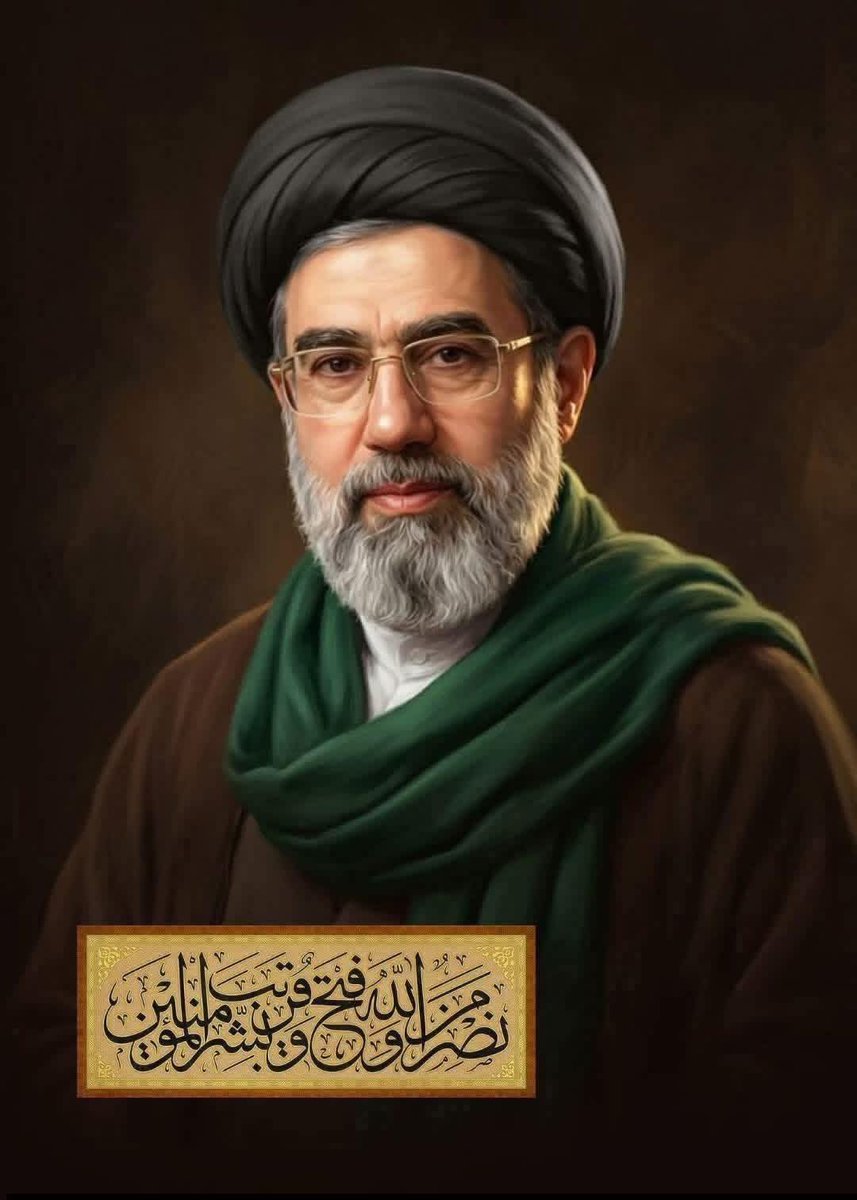

Attention turns to leadership amid heightened security concerns
Iran is preparing for the state funeral ceremonies of former Supreme Leader Ali Khamenei, scheduled to begin on July 4, with mourning events expected to take place in Tehran, Qom and Mashhad. Authorities anticipate large crowds of mourners, senior officials and foreign dignitaries during the multi-day ceremonies.
The funeral comes against the backdrop of heightened regional tensions following months of conflict between Iran and Israel. Security arrangements are expected to be extensive as officials seek to ensure the ceremonies proceed without disruption.
Meanwhile, public attention has focused on whether Iran’s new Supreme Leader, Mojtaba Khamenei, will make a public appearance during the funeral. Iranian authorities have not announced his schedule or confirmed whether he will attend any of the ceremonies.
Israeli and Iranian officials exchange warnings
The funeral preparations follow recent statements by Israeli and Iranian officials that have further heightened tensions. Israeli Defence Minister Israel Katz has publicly issued strong warnings directed at Iran’s leadership, while Iranian Foreign Minister Abbas Araghchi has responded by asserting that the Islamabad Memorandum of Understanding obliges the United States to prevent further Israeli military action against Iran.
Araghchi also warned that any attack targeting Iran’s leadership would prompt what he described as an immediate and powerful response. Israeli officials have not commented further on the exchange beyond earlier public statements.
Regional stability remains under scrutiny
Analysts say the funeral will be closely watched because of the current security environment and the fragile diplomatic efforts aimed at preventing renewed conflict. Any major development during the ceremonies could attract significant international attention and influence ongoing regional negotiations.
Despite heightened rhetoric, no official announcements have indicated any imminent military action related to the funeral events. Governments across the region continue to monitor developments as diplomatic channels remain active.
The ceremonies are therefore expected to serve not only as a national period of mourning but also as an important moment for assessing the stability of the current ceasefire and the broader regional security environment.
🇮🇷🇮🇱 The most dangerous question in the Middle East this week: does Iran's ghost leader attend his father's funeral with an Israeli death mark on his head?
The collision is set.
Ali Khamenei's long delayed state funeral begins July 4, five days of mourning spanning Tehran,… pic.twitter.com/mjzGiSYsu7
— Mario Nawfal (@MarioNawfal) July 1, 2026

