
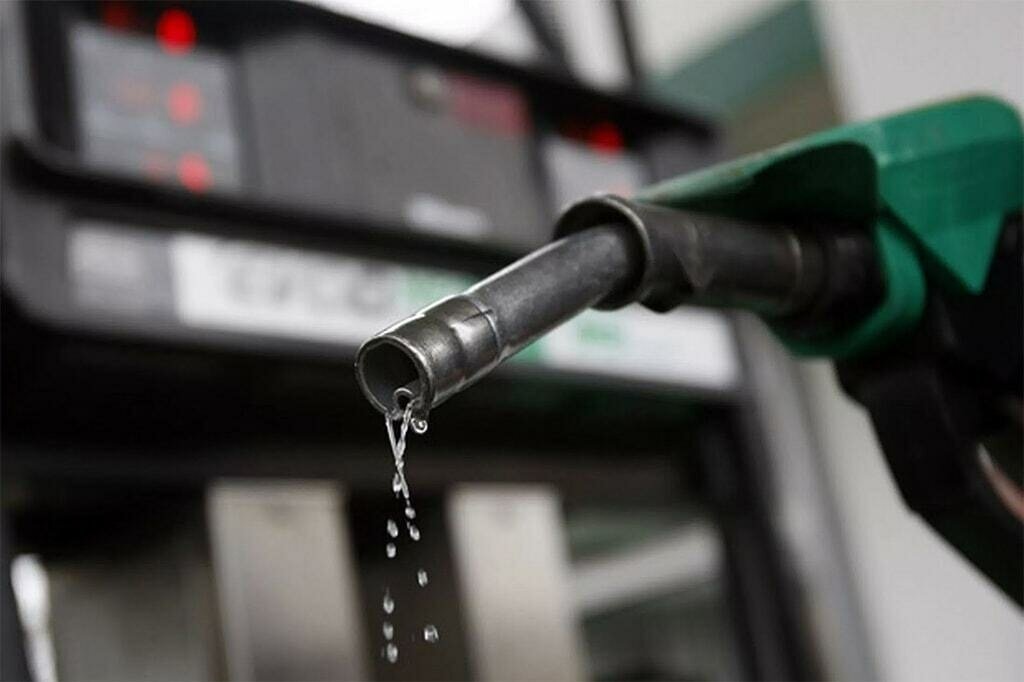

The PTI and PPP have strongly criticised the government’s latest petroleum price increase. Both parties warned the decision would worsen financial hardships amid persistent inflation. Moreover, they urged authorities to adopt alternative measures instead of burdening ordinary citizens.
Opposition Calls for Lower Petroleum Levy
The PTI urged the government to reduce luxury spending instead of increasing fuel prices. Additionally, it demanded an immediate cut in the petroleum levy and unnecessary taxes.
According to the PTI, inflation, unemployment, and rising utility bills have already stretched household budgets. Furthermore, the party criticised the government’s plan for daily fuel price fluctuations. It claimed the policy would create uncertainty for consumers and businesses.
The party argued higher fuel prices affect every sector of the economy. Consequently, transportation, agriculture, industry, and food prices could increase further. It also questioned why ordinary citizens repeatedly bear the burden of economic decisions.
The PTI maintained the government should ease public hardships through responsible fiscal management. It insisted reducing unnecessary expenditures would provide greater relief than increasing taxes.
PPP Seeks Better Tax Collection
Meanwhile, PPP General Secretary Nayyer Hussain Bukhari criticised the increase in petroleum prices. He said the petroleum levy directly impacts people struggling with rising living costs.
Bukhari urged the Federal Board of Revenue to examine oil companies’ profits before imposing additional burdens. Moreover, he called for stronger tax collection from taxable sectors instead of increasing fuel-related charges.
He also criticised weak tax enforcement in Islamabad’s commercial sector. According to Bukhari, authorities should improve revenue collection rather than relying on higher petroleum levies.
Both opposition parties maintained the government should prioritise public relief. They stressed fair taxation and spending reforms instead of increasing fuel costs during economic uncertainty.

