
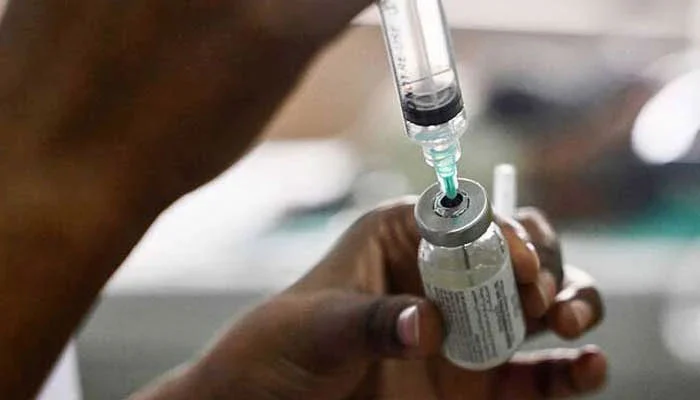

The Pakistan Paediatric Association (PPA) has urged the Drug Regulatory Authority of Pakistan (DRAP) to exempt 10cc conventional syringes from its planned ban. The association warned that the restriction could seriously affect neonatal and paediatric healthcare services.
Doctors Warn Of Risks To Child Healthcare
The appeal follows DRAP’s decision to ban conventional 1cc non-insulin disposable syringes from December 31, 2026. Additionally, the authority will prohibit the retail sale of conventional 10cc disposable syringes from January 1, 2027.
In a letter to DRAP, PPA representative Dr Muhammad Khalid Shafi acknowledged the need to prevent syringe reuse. However, he stressed that regulatory decisions must remain evidence-based and reflect clinical realities.
Dr Shafi said Pakistan is facing an alarming rise in paediatric HIV cases linked to unsafe medical practices. Therefore, he urged authorities to balance infection control measures with patient safety.
According to the PPA, 10cc syringes remain essential for preparing intravenous medicines and delivering accurate doses to children. They are also widely used for enteral feeding in neonatal intensive care units.
PPA Calls For Targeted Exemption
The association argued that needleless 10cc syringes are vital for administering oral medicines and rehydration solutions to infants. Consequently, a blanket ban could disrupt life-saving treatments in hospitals.
Dr Shafi warned that restricting access would create significant clinical challenges in paediatric and neonatal wards. He added that infection control policies should target unsafe practices without limiting essential medical equipment.
On behalf of the PPA, he requested an immediate exemption for 10cc conventional syringes until safer alternatives become widely available. Furthermore, he proposed forming an expert advisory panel to review infection control strategies.
The association recommended involving paediatric specialists, infectious disease experts, and PPA representatives in developing evidence-based guidelines to address syringe reuse while protecting critical healthcare services.

